

Mole, skin tag, and freckle removal service at D' Lovevery Clinic. Safely reveal smooth skin.
Moles, skin tags, or warts, whether small or large, can always affect our self-confidence regarding our face and body. Many people consult our clinic expressing concern about the best removal method, whether it will leave scars, or if they will reappear.
At D' Lovevery Clinic The doctor understands these concerns very well, which is why we offer comprehensive mole removal services, including the use of... CO2 laser For minor problems, and... Minor Surgery For large moles or those with deep roots, we aim to achieve the best possible results for our patients, resulting in smooth skin and minimizing the chance of scarring.
Proper mole removal isn't just about making the mole disappear from the surface; it involves accurately assessing the root depth to select the right tool for decisive removal and achieving the most aesthetically pleasing long-term scar for the patient.
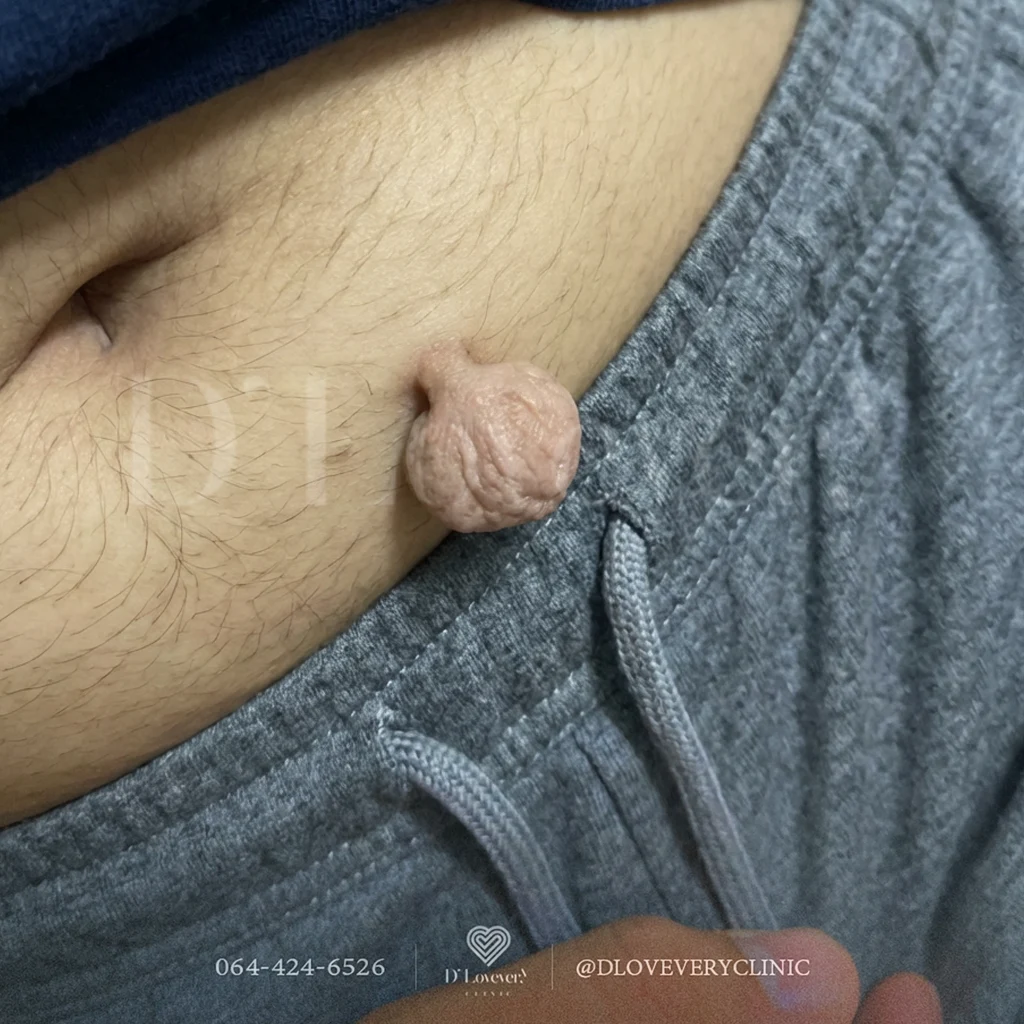
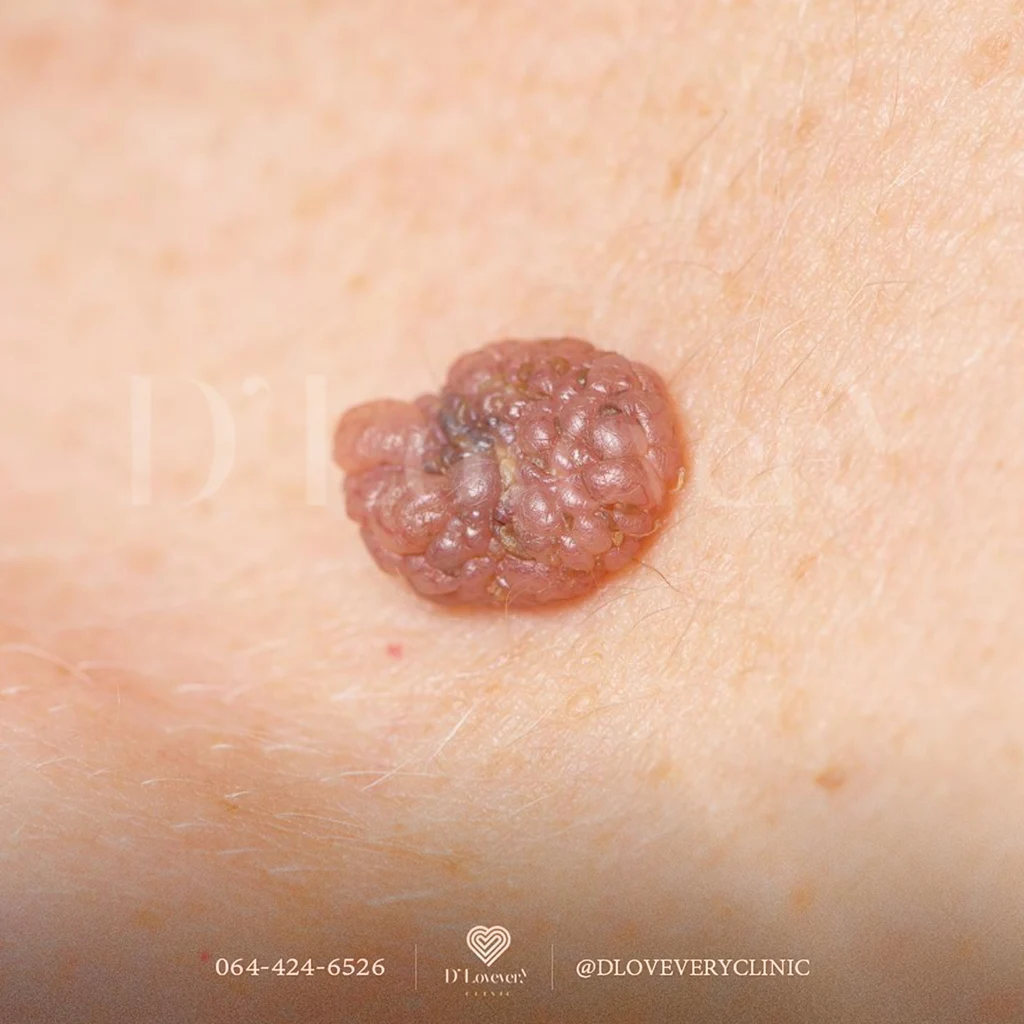
Large skin tags
Most skin tags are simply growths of tissue that protrude from the skin. They are usually soft and have a small "stalk" that attaches them to the skin.
| หัวข้อ | Important details that patients should know. |
|---|---|
| Causes of occurrence | • Satire: It often occurs in areas where the skin frequently rubs against each other or against clothing, such as the neck, armpits, groin, and under clothing. • Hormones and weight: It is more common in patients who are overweight, have insulin resistance, or pregnant women experiencing hormonal changes. • heredity: If someone in your family has it, you have a higher chance of getting it too. |
| growth | • They grow slowly, over months to years. • They usually stop growing once they reach a certain size (some may grow up to 1-2 cm). • It has the appearance of elongated, hanging protrusions that can swing back and forth. |
| ✅ "Non-dangerous" characteristics | • สี: The color matches your skin tone, or may be slightly darker. The color looks even. • touch: Soft, flexible, not stiff or stubby. • symptom: It doesn't hurt or itch (except if it gets scratched by a necklace or rubbing against clothing). |
| 🚨 Signs that you should see a doctor. | • Sudden color change: Suddenly turning dark black, bright red, or purple (this may be due to the polyp stalk twisting, cutting off blood supply. It's not life-threatening but will be very painful and needs to be removed). • Bleeding or oozing of fluid: Without scratching or squeezing it. • Abnormally rapid growth: It suddenly increases in size rapidly within a few weeks, becomes hard, lumpy, or is painful to the touch. |
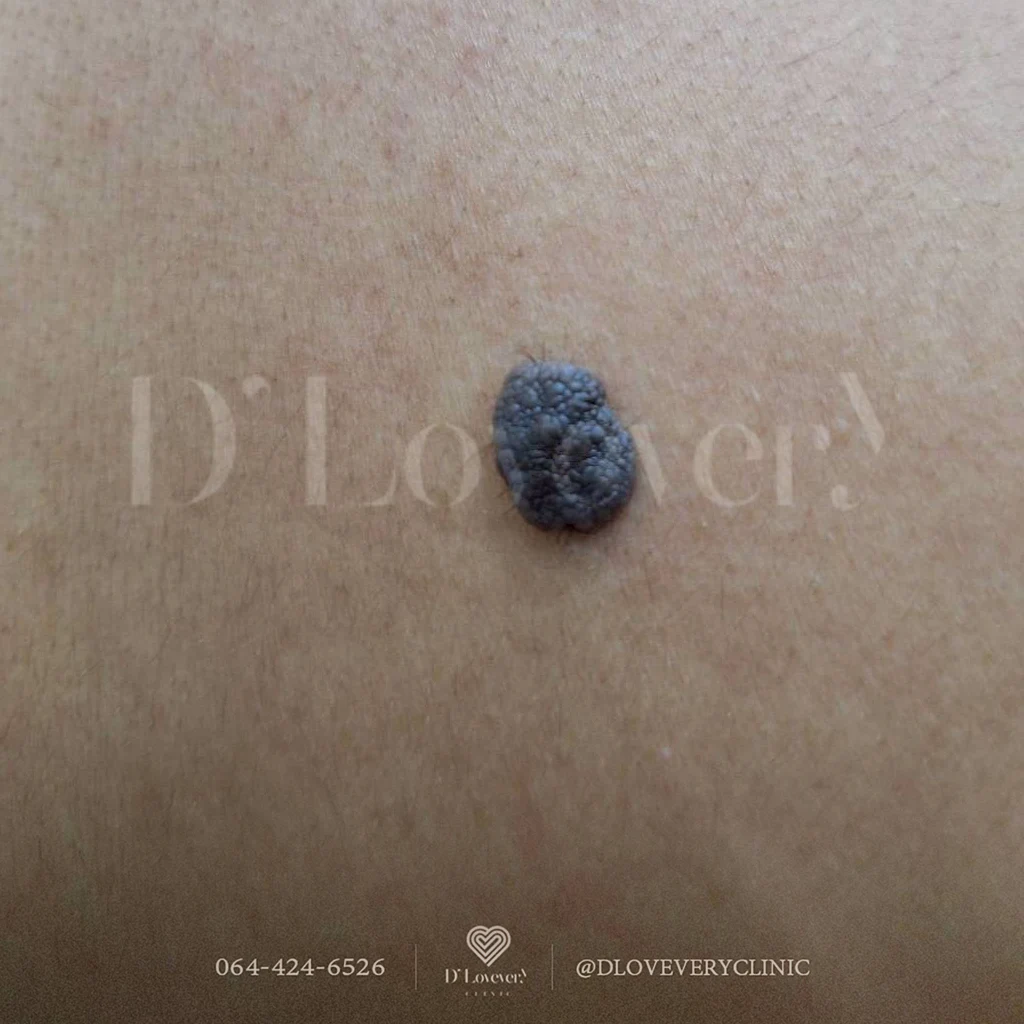
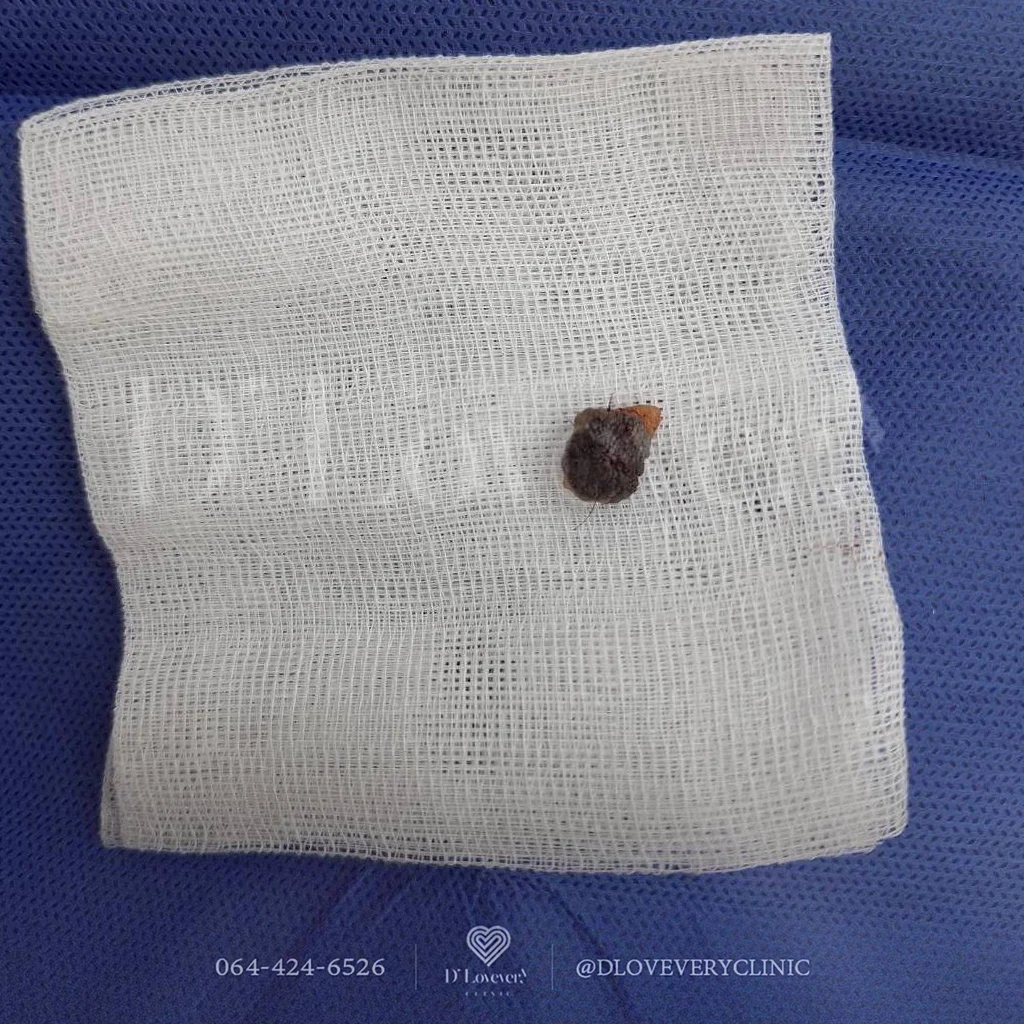
Large moles (Moles / Nevus)
Moles are formed from the clustering of "melanocytes" (pigment-producing cells) under the skin, appearing as dark spots. Some types of moles may have deep roots or develop into cancerous growths if triggered by certain factors.
| หัวข้อ | Important details that patients should know. |
|---|---|
| Causes of occurrence | • heredity: Some people are born with large moles, or they may develop gradually due to genetics. • Sunlight (UV radiation): Frequent and intense sun exposure from childhood can stimulate melanin cells to malfunction and cause the appearance of new moles. • Cellular changes: Pigment-producing cells grow and cluster together in a single spot. |
| growth | • Moles usually grow along with the body's growth. • Changes may occur during adolescence or pregnancy (darker or more raised area). • A normal mole will... "Stop growing" And our size remains constant when we are fully grown adults. |
| ✅ "Non-dangerous" characteristics | • Shape: Circular or oval symmetry (when divided in half, the left and right sides look the same). • scope: The edges are smooth, contrasting sharply with the surrounding skin tone. • สี: Uniform color throughout the grain (e.g., all brown, all black). • change: Its size and shape have remained constant for many years; it has not grown any larger. |
| 🚨 Warning signs (risk of skin cancer) | The doctor told me to remember the principles. ABCDE Here's a simple way to observe your own moles: • A (Asymmetry): Asymmetrical shape; distorted; uneven left and right sides. • B (Border): The mole has jagged, uneven edges that are blurry and blend in with the skin. • C (Color): There are multiple colors in a single bead, such as black, brown, red, and white mixed together. • D (Diameter): Larger than 6 millimeters (larger than the eraser tip of a pencil). • E (Evolving): This is the most important point! Moles can change rapidly, growing quickly, changing color, becoming raised, bleeding, itchy, or chronically scabbing. |
💡 Advice from the doctor.
For large skin tags, they are usually... "Not dangerous" Yes, but they can be bothersome when wearing clothes or cause a lack of confidence. As for large moles, the doctor recommends that patients regularly observe themselves according to the ABCDE principle.
If you notice any abnormalities or feel uncomfortable, Never attempt to cut, squeeze, or use mole removal creams sold online. We recommend that you consult a doctor so that they can conduct a thorough evaluation and choose the safest surgical method. For complete peace of mind, a tissue sample will be sent for laboratory testing.
Which treatment is better? Laser mole removal (CO2 Laser) or minor surgery?
To help patients make an easier decision about which method is best suited to their skin condition and mole characteristics, I will explain the advantages and disadvantages of both methods in detail below.
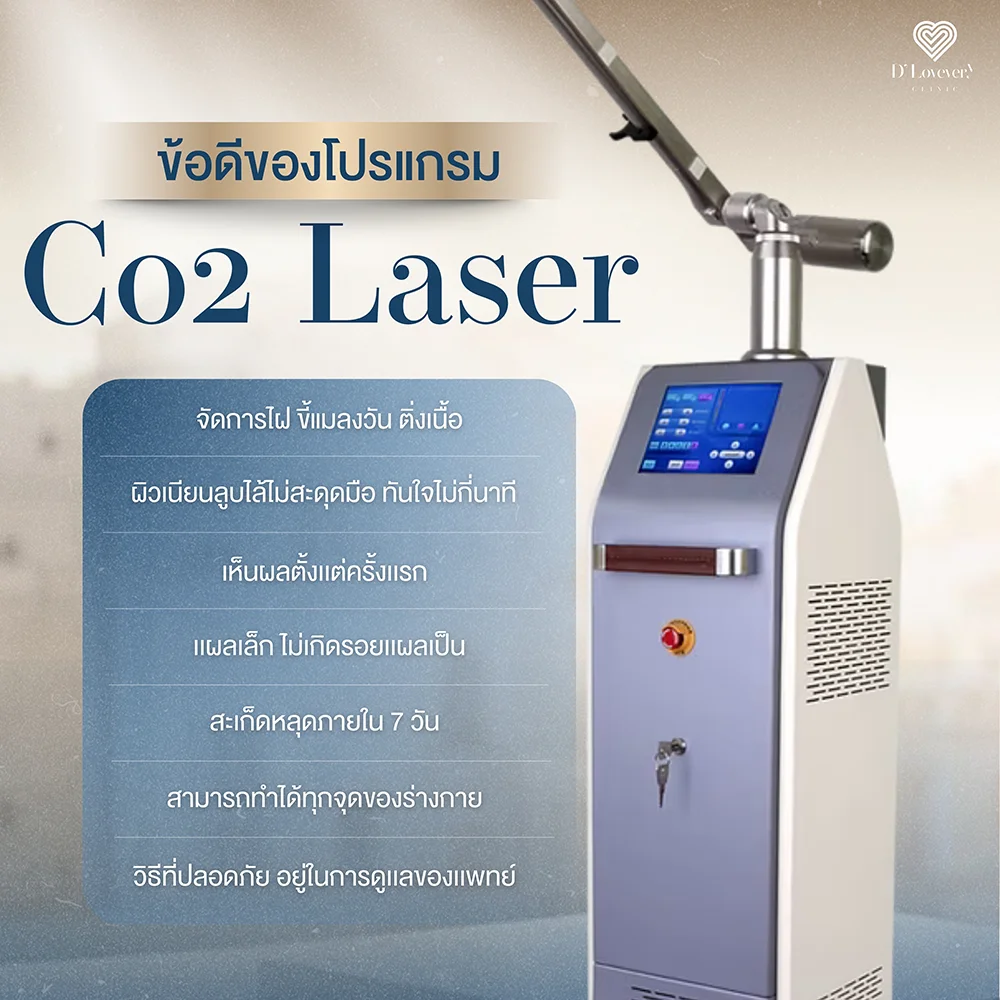
1. Mole removal with CO2 laser.
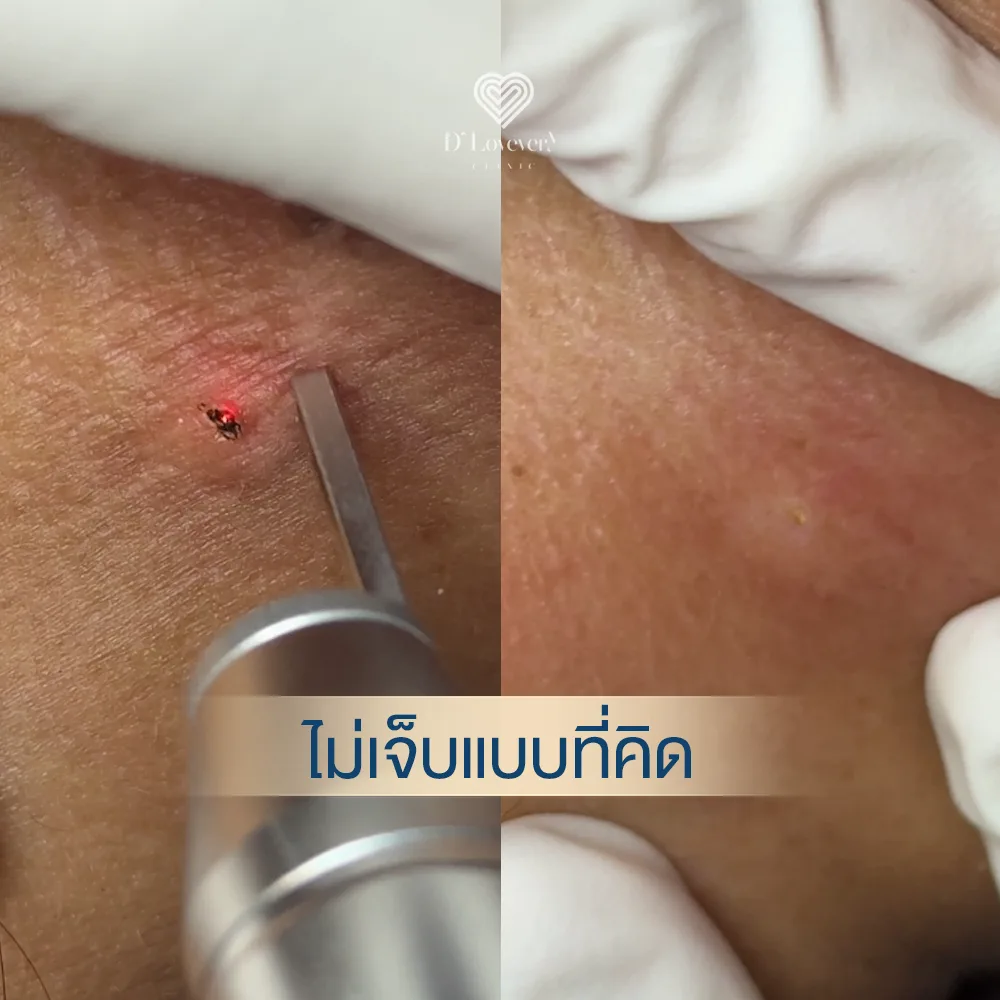
This technique uses precise laser light waves to convert into heat energy, which then cauterizes and destroys pigment cells and mole tissue in the upper layers of the skin. It is suitable for shallow moles, freckles, skin tags, or small warts (no larger than 3-5 millimeters) that do not have deep roots.
Advantages of CO2 Laser cauterization:
- Fast and convenient: It doesn't take long to do; you can do it right away by simply applying a numbing cream.
- No stitches required: After the procedure, there will only be shallow abrasions or small dents. There's no pain from stitches and no need to return for suture removal.
- Easy to maintain: The wound will scab over and fall off naturally within 7-14 days.
Disadvantages and limitations:
- Risk of recurrence: If used on moles with deep roots, the laser may not destroy all the roots, allowing the mole to regrow.
- Chance of developing pitted scars: If a large mole with deep roots is removed using a laser, the doctor will have to go very deep, which can severely damage surrounding tissue and increase the risk of deep scarring or keloids.
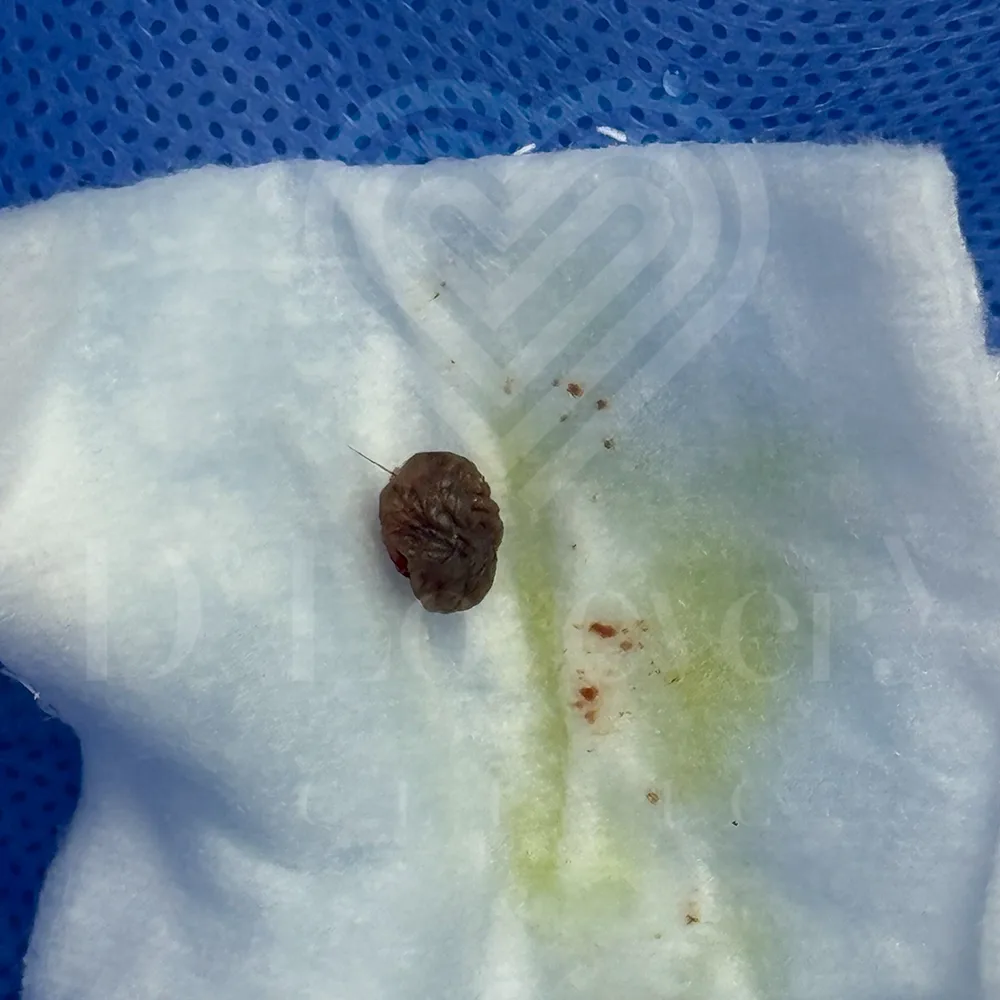
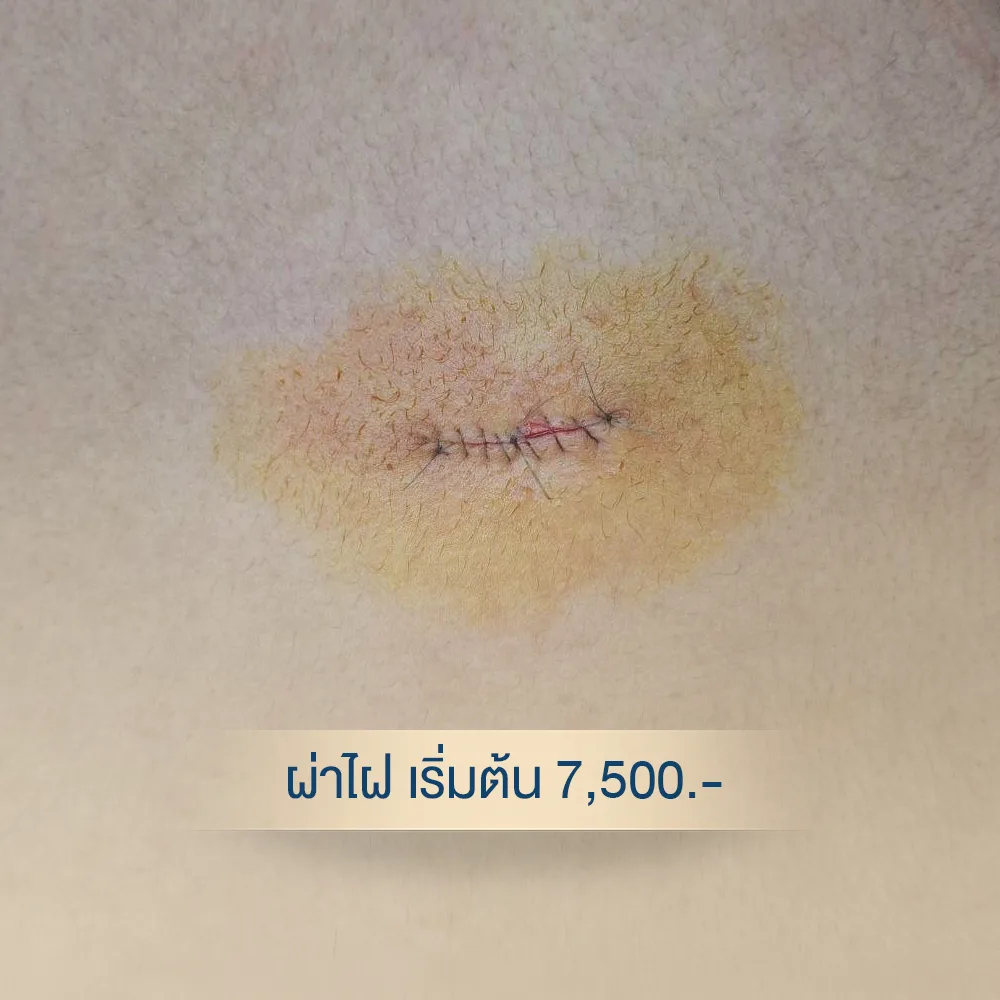
2. Mole removal via minor surgery – Prices start at 7,500 baht.
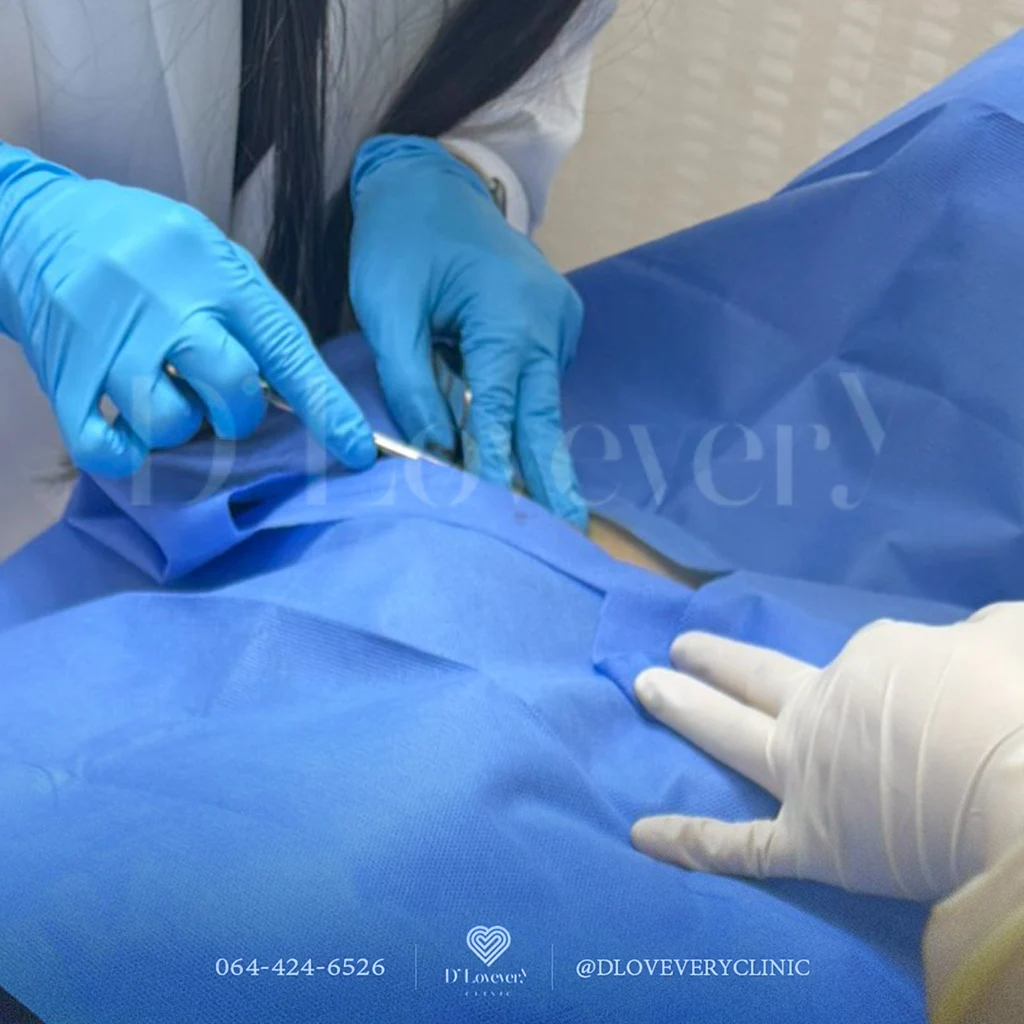
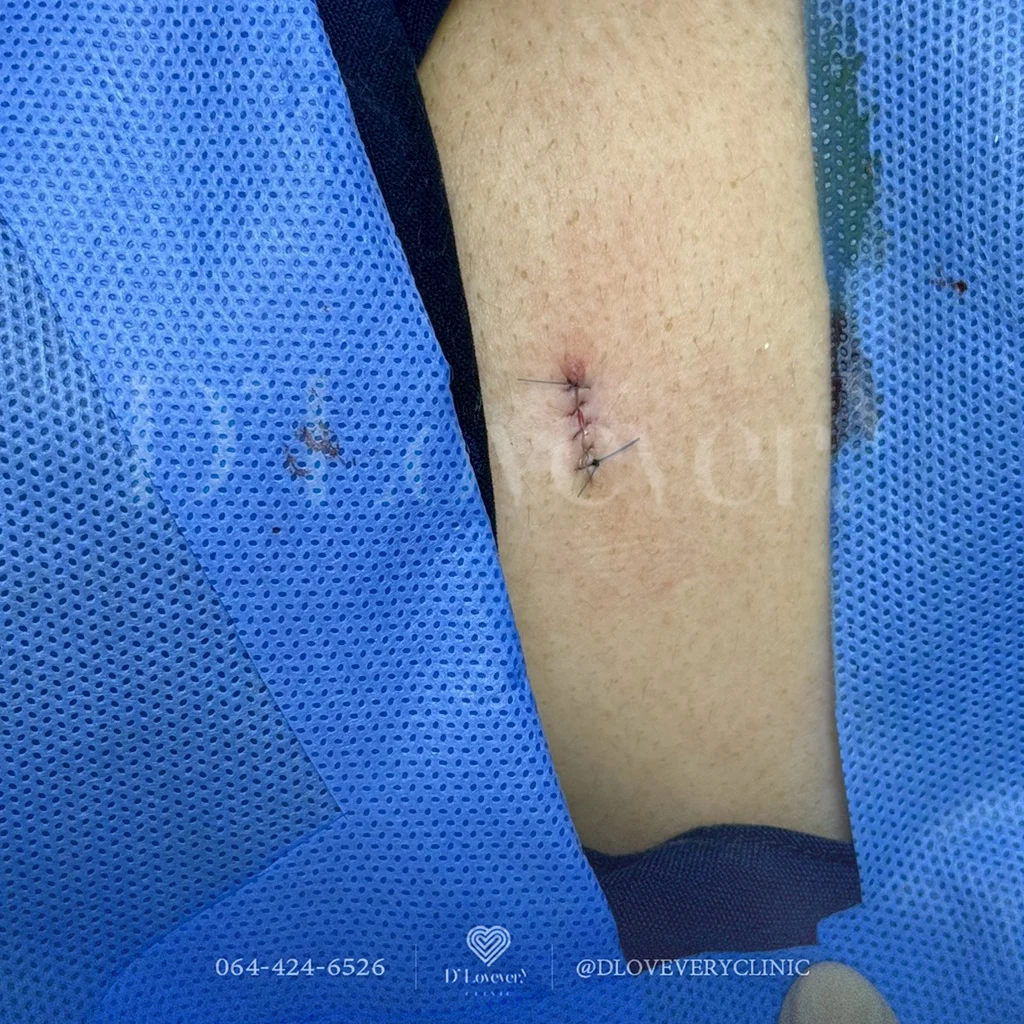
Minimally invasive surgery (surgical excision) involves making a small incision with a surgical knife to remove the mole, including its deep-seated roots. The incision is then closed with a hidden suture technique. This method is suitable for large moles, raised moles, or moles with deep roots.
Advantages of minor surgery:
- Cutting the root cause leads to a high chance of complete recovery. Mole roots can be removed 100% of the time. The chance of the mole regrowing is very low (less than 1-2%).
- The scar is smoother: Although incisions are made in the skin, meticulous suturing by the doctor allows the wound to heal well, resulting in a thin line hidden in the skin folds, which looks more aesthetically pleasing than leaving a large, deep pit from laser treatment.
- Highly secure (biopsy possible): The tissue from the removed mole can be sent for pathological examination (biopsy) to screen for the risk of skin cancer.
Disadvantages and limitations:
- The wound needs careful care: Keep the wound dry in the initial period, and return to see the doctor for suture removal (approximately 5-14 days, depending on the location).
- It takes longer to perform than laser treatment: Local anesthesia is required, and the surgery involves meticulous procedure and suturing.
Treatment timeline and service procedures.
To help patients prepare and understand the overall treatment process, the doctor has summarized the steps and timeline from before to after the procedure as follows:

1. Pre-Treatment Preparation
- Avoid taking medications and supplements: Avoid taking vitamin E, fish oil, ginkgo, or medications that affect blood clotting (such as aspirin) for at least one week before the procedure to reduce the risk of bleeding and bruising.
- Please provide your medical history: Inform your doctor in detail about any pre-existing medical conditions, drug allergies, or allergies to anesthetics.
- Cleanse your skin: Please wash your hair and clean the area to be treated thoroughly beforehand (avoid wearing makeup if the treatment is on your face).
2. Treatment Procedure (During Treatment)
- Assess and plan: The doctor will assess the depth and size of the mole to determine whether CO2 laser treatment or minor surgery is necessary.
- Anesthesia:
- In the case of CO2 Laser: Apply the numbing cream and leave it on for 30-45 minutes.
- Minor surgery cases: A local anesthetic will be injected around the mole (the patient will not feel any pain during the procedure).
- The process of mole removal: The doctor performs the procedure carefully and it takes approximately 15-45 minutes, depending on the method chosen and the size of the mole.
- Wound closure: Clean the wound and cover it with a waterproof bandage or a flesh-colored bandage, as appropriate.
3. Post-Treatment Care
1st week
- Regarding CO2: Do not scratch the wound. Apply antiseptic as prescribed by your doctor. The wound will begin to scab over.
- In case of surgery: Avoid getting the wound wet at all costs. Follow the wound care instructions. Come in for suture removal as scheduled (5-7 days for the face, 10-14 days for the body).
2st week onwards
- Even after the scabs fall off or the stitches are removed, the skin in that area will still be light pink or red.
- The most important precaution: Apply sunscreen regularly and continuously apply scar-reducing cream (silicone gel) for 1-3 months to prevent dark spots and raised scars.
Important surgical techniques.
Minor surgery or laser mole removal on the face requires both medical "science" and the "art" of scar design. At D' Lovevery Clinic, we prioritize the safest and most beautiful results for all our patients.
- The doctor will assess the appropriate method: The doctor will carefully assess the depth of the mole to choose the most appropriate method. They will not push surgery if laser treatment is possible, and will not force laser treatment if the mole has deep roots that risk causing pitted scarring.
- Advanced wound suturing techniques: For minor surgical cases, the doctor uses the fine stitching technique with extra-fine sutures to ensure a tight scar edge, reduce tension, and blend in with the skin's natural wrinkles. The result is the most natural-looking scar once healed.
Things to know about removing moles and skin tags.
| Things you should know | The description |
|---|---|
| Does it hurt when you do it? | It doesn't hurt. Before the procedure, a highly concentrated topical anesthetic will always be applied topically or a local anesthetic will be injected. Patients will only feel a slight tingling sensation when the needle is inserted. During the procedure, the patient will feel comfortable and painless. |
| Will minor surgery leave a scar? | There is a chance of a small scar, but the doctor will use a technique to make an incision and suture to hide the scar as a very thin, straight line. Over time, the scar will fade and blend in with the skin.betterI developed a large, pitted scar from attempting to remove a large mole with a laser. |
| I have a large mole. Can I choose to have it treated with CO2 laser? | Doctors don't recommend it because large moles often have deep roots. If you use a laser to remove the entire root, it can cause significant tissue loss, resulting in a permanent "deep scar." Or, if the root isn't completely removed, the mole will grow back, causing repeated pain and wasted time. Surgery is therefore a better solution. |
| Is it possible to do this while pregnant or breastfeeding? | It's best to avoid it for now. Although local anesthesia is relatively safe, for the utmost safety of the baby, doctors recommend waiting until after delivery or after breastfeeding has stopped before receiving the service. |
Why choose D' Lovevery Clinic?
| Minimum Requitrement | D' Lovevery Clinic | hospital |
|---|---|---|
| Convenience | ⭐⭐⭐⭐⭐ | ⭐⭐ |
| Waiting time | fast | Longer than |
| Complexity of pre- and post-service procedures. | Hassle-free | Multiple steps |
| Privacy | High | less |
| Personalized Care | ⭐⭐⭐⭐⭐ | ⭐⭐⭐ |
| Appointment Flexibility | High | less |
How much does it cost to have a mole or large skin tag removed?
| Treatment methods | What types of problems is this suitable for? | Service rates (Baht) |
|---|---|---|
| CO2 laser (CO2 Laser) | Large skin tags, moles | Starting at 1,000 baht per point. |
| minor surgery (Minor Surgery) | Large moles, raised moles, moles with deep roots, or large skin tags that require removal at the root. | Starting at 7,500 baht per point. (Includes the cost of anesthetic and sterile equipment) |
-If there are multiple spots, you can send pictures for a price estimate.
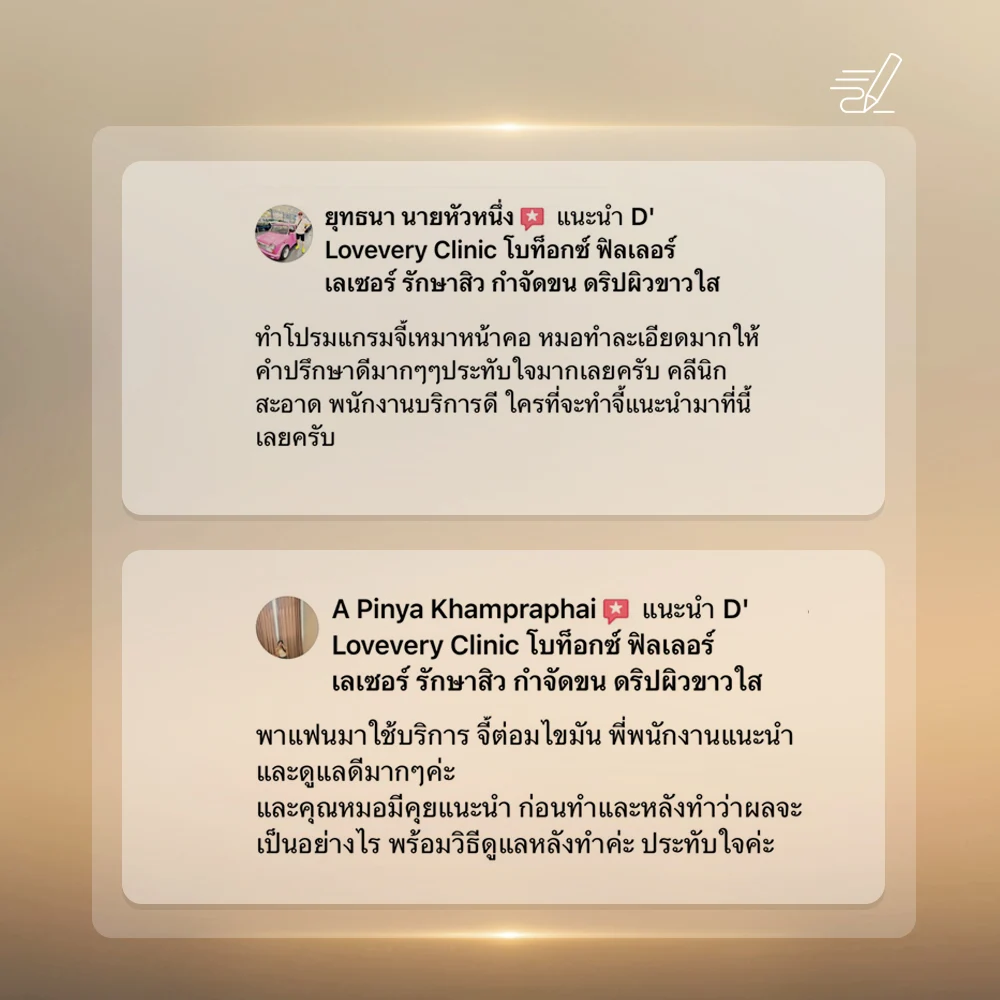
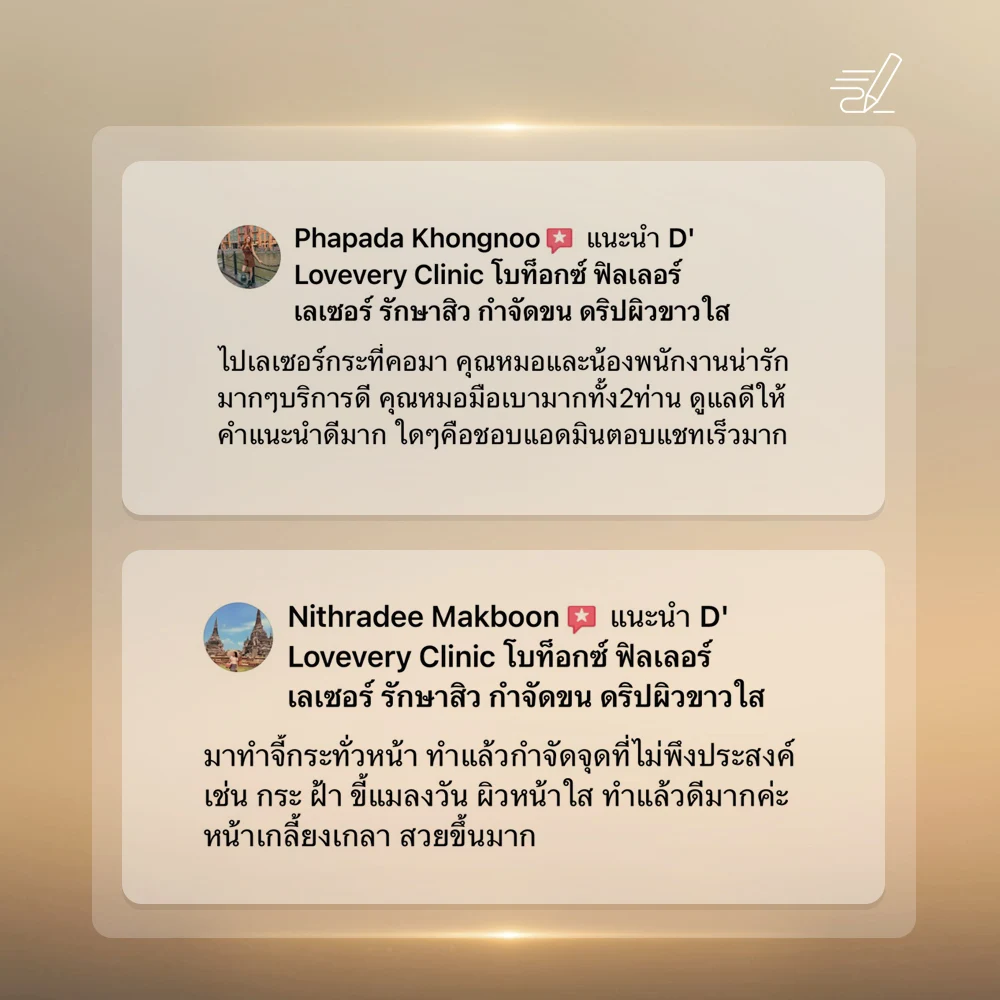
Review your experience after receiving the service.

- Detailed analysis and surgery on a case-by-case basis.
The doctor will carefully examine and assess the characteristics of large skin tags or moles without rushing, in order to plan surgery that leaves a small incision and minimizes pain. - Focused treatment, no pressure to buy courses.
The focus is primarily on treating illnesses and symptoms. You can rest assured that there are no salespeople pressuring you to buy unnecessary additional services. The atmosphere is friendly. - Medical expenses can be paid in installments, making it affordable.
We offer flexible payment options, including deposit, remaining balance payable on the day of service, or 0% installment plans via credit card and Shopee PayLater. - Continue to care for the wound until it heals.
Follow up on your treatment and check your surgical wound with the same doctor who performed the treatment to ensure continuity and maximum confidence. - Real wound reviews from real patients.
This collection includes real case reviews showcasing post-surgery results, not just celebrity or influencer photos. You can be confident in the skill and neatness of the incisions. - I have confidence in the skills of highly experienced doctors.
The surgery is performed by a licensed and experienced surgeon specializing in minor surgery, reducing the chance of recurrence. - The clinic is clean, sterile, and meets standards.
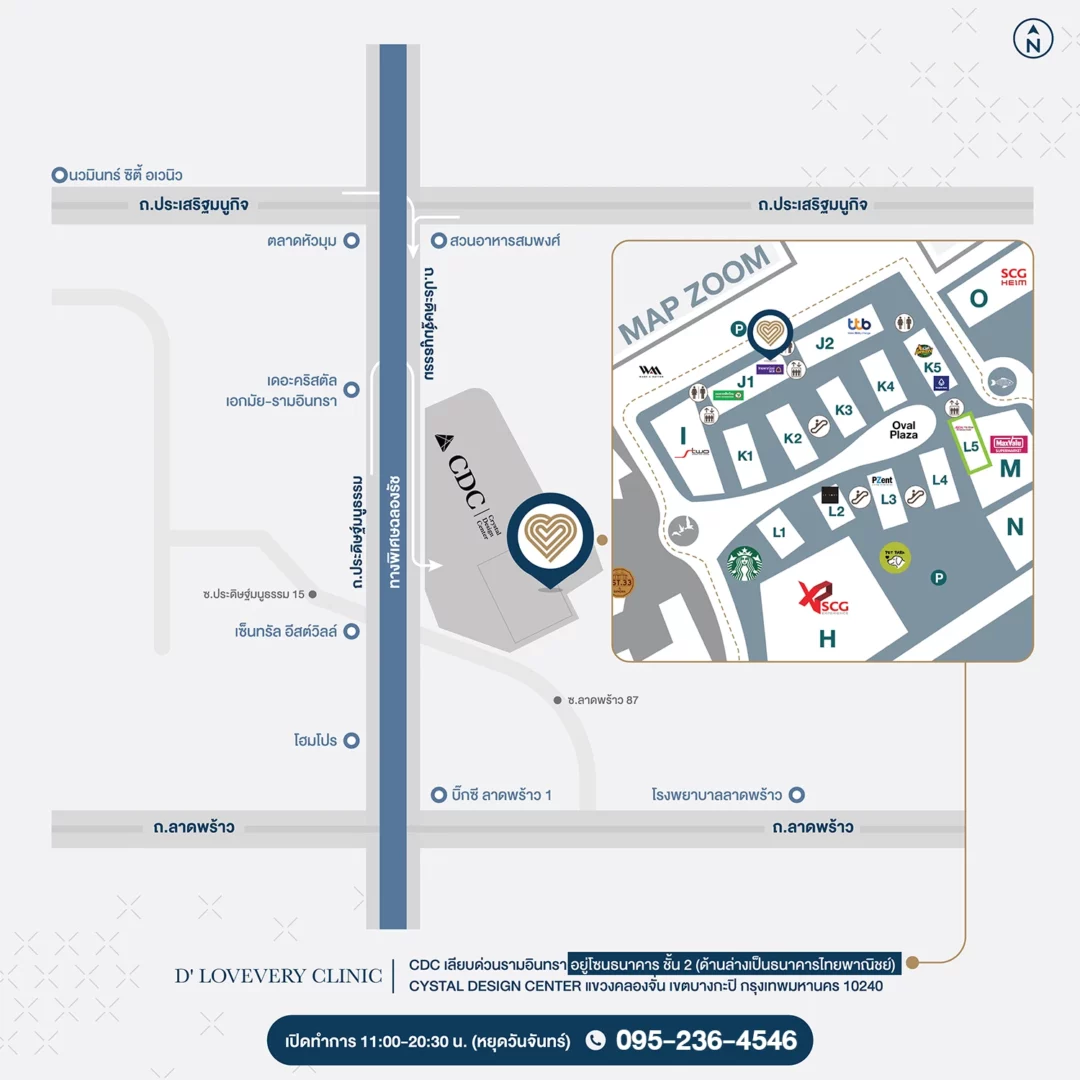
The equipment is sterilized to standard, it's easily accessible, and there's ample parking. - Transparent; prices and medications are verifiable.
We provide a price estimate before starting the work; no hidden fees will be added on-site. All medications and medical supplies used are FDA-approved and verifiable.

- Paseo Town Ramkhamhaeng Branch Call 064-424-6526
- Crystal Design Center (CDC) branch Call 095-236-4546

The chances of getting back together are slim, but... There are some exceptions. If the root is completely removed, there is a chance the mole will grow back.Very little.Yes
Mole removal. CO2 Laser This method is very popular because it is precise and destroys only the mole's tissue without affecting the surrounding skin. If you have a mole, small or large, that you want to remove, you can consult a doctor at our clinic.
For removing skin tags or warts with CO2 laser or electrocautery, I can remove them from any area, including the face, neck, and even the back. A single treatment can remove them completely. Even rough, uneven skin will be gone. However, I always tell patients that even after complete removal, skin tags are related to age, genetics, and skin cell changes. Therefore, they can reappear in the same area or even nearby spots. It usually takes many years, and in some cases, they may never reappear.
Doctors recommend that if you take good care of your skin, such as regularly applying sunscreen or avoiding exposure to sunlight and free radicals, you can help reduce the chances of recurrence.
Moles are generally formed from aggregations of pigment cells located only in the skin's outermost layer, with a maximum depth of just... The genuine leather layer (Dermis) Which is only a few millimeters thick. It cannot penetrate deep enough to reach the bone through the fat and muscle layers.
According to anatomical principles, the dermis has an average thickness of only... 1.5 to 4 millimeters (Depending on the area of the body) Since bone is located several centimeters deeper beneath the fat and muscle layers, it is physically impossible for the root of a normal mole to touch the bone.
Mole removal is therefore safe. CO2 Laser For shallow moles or Minor surgery (Excision) For raised moles, to prevent the formation of deep scars, and another thing doctors often encounter is... Deep-rooted moles don't necessarily have to be large; small ones can be deep too. Like the patient's case below, it was so deep that two treatment sessions were required. If you have any further questions, please send photos for the doctor to evaluate.
Moles in the mouth can occur, although they are uncommon. If you wish to have them removed with a laser, this method is considered safe nowadays, especially when performed by an experienced doctor. However, it's crucial to have a doctor examine the mole before deciding on treatment. This includes checking for cancer risk or other serious complications, and in some cases, a biopsy may be necessary. After laser treatment, the wound should be kept clean to prevent infection. Therefore, for all inquiries, please send photos for initial assessment. The doctor will provide a preliminary evaluation, as the outcome will depend on the specific circumstances of each case.
Sunspots and skin tags are different. Sunspots are brown spots caused by sun exposure leading to overproduction of melanin under the skin. Skin tags, on the other hand, are raised bumps on the skin, similar to moles but not the same. Therefore, they require different treatments. Many patients still mistakenly believe they are the same thing.
samsa Doctors can't remove it by cauterizing it like skin tags because it's under the skin, but we can treat it with lasers, for example. Pico Laser Products that help reduce pigmentation, or using creams to reduce dark spots, can help if they're not too dark yet. But most importantly, you must apply sunscreen every day, otherwise they will come back. I'll tell you straight, prevention is better than cure for freckles and melasma.
part กระเนื้อ This can be removed directly. Since it's a raised bump, the doctor can use a laser or electrical current to remove it and make it smooth. Don't worry, the clinic offers this service.
If the patient is unsure whether...If you have sunspots or skin tags, the doctor recommends that you come in for an examination first so that we can choose the most appropriate treatment method.
Enlarged sebaceous glands in the face (sebaceous hyperplasia) Yes, they can be removed by cauterization, but the size, location, and suitability of the method will need to be assessed first. It's usually recommended to consult and have an evaluation with a doctor beforehand. The treatment doesn't require local anesthesia, but scabbing may occur after the procedure. Avoid contact with water for 24 hours. After the wound heals, it won't leave a permanent scar. Don't worry.
Patients with skin tags or moles in the armpits include both men and women. Typically, if a man is coming to have skin tags removed from his armpit, the doctor will recommend shaving the armpit hair beforehand to help make the skin tags more visible. But if you don't want to shave, can you do laser hair removal? Yes, you can, and it won't cause hair loss. Shaving is good because it prevents hair from irritating or contaminating the wound after treatment, reduces the risk of infection, and makes wound care easier.
Regarding the pain, don't worry too much. Before removing the polyp, the doctor will use a local anesthetic, either injected or applied to the polyp area. The only real pain is when the anesthetic is injected. But in most cases, you don't need local anesthesia because it's a very quick procedure. There is a possibility of bleeding, but it's usually just a small amount. It's easy to stop and not dangerous. After the procedure, it is recommended to avoid roll-on deodorants or any products that may irritate the skin until the wound has completely healed. Or let it get wet for 2-3 days.
Don't worry. You'll feel a slight stinging, itching, and burning sensation, similar to being flicked by a rubber band on your skin. Or, to give you a comparison, it's like the feeling of your skin getting slightly warm after being in the sun for a long time.
If anyone is very anxious, the doctor will apply a numbing cream for about 30 minutes to make the skin more comfortable, and a cool air blower will be used continuously during the procedure.
Immediately after the procedure, the skin may feel tight and red, but this will gradually improve. In some cases, the doctor may prescribe cream or medication to apply at home to help speed up the recovery process.