
Suture removal is a crucial step in cosmetic surgery and wound care, whether it's for nose, chin, lip, double eyelid surgery, liposuction, or even accidental wounds. Proper and timely suture removal promotes faster healing and reduces the risk of scarring or unsightly marks.
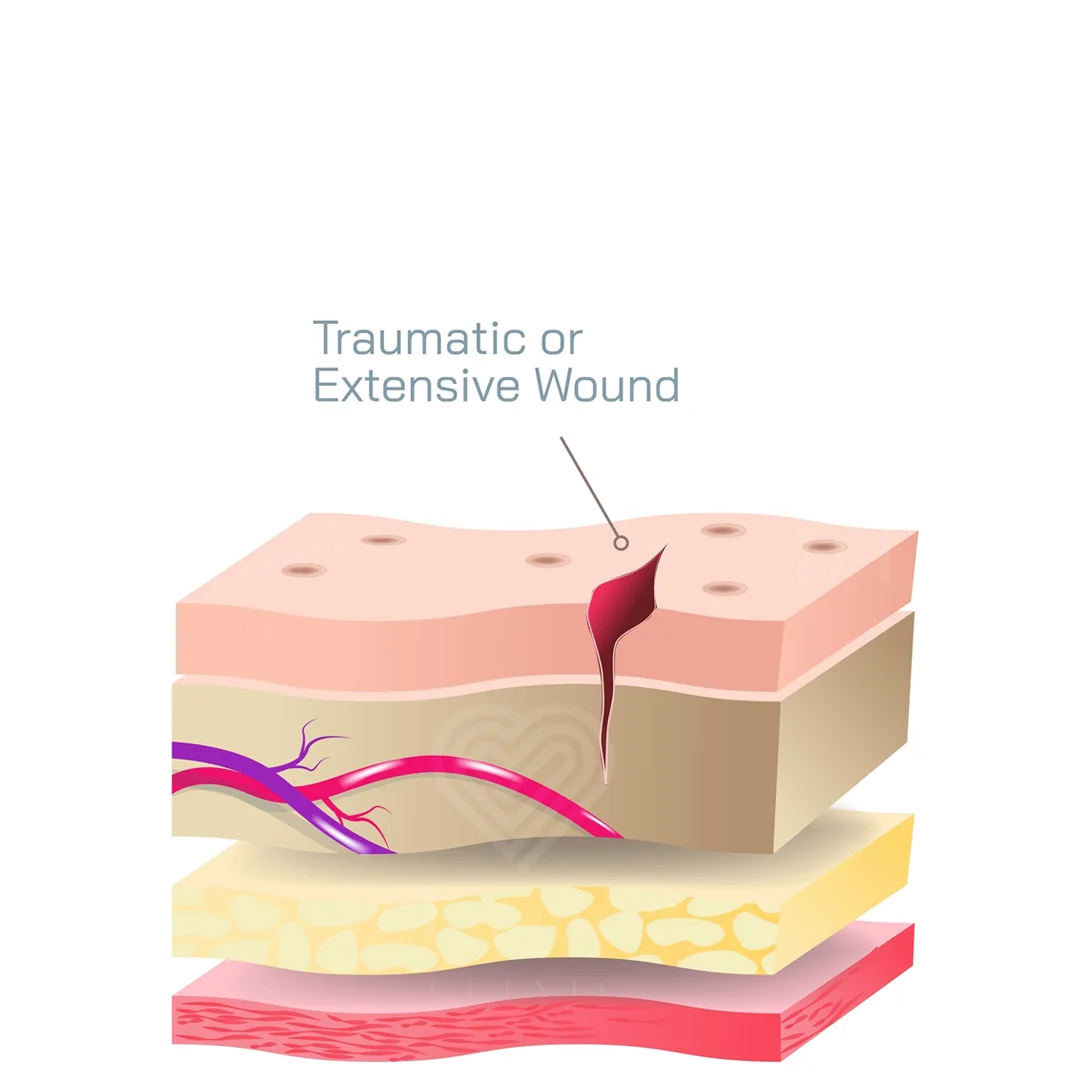
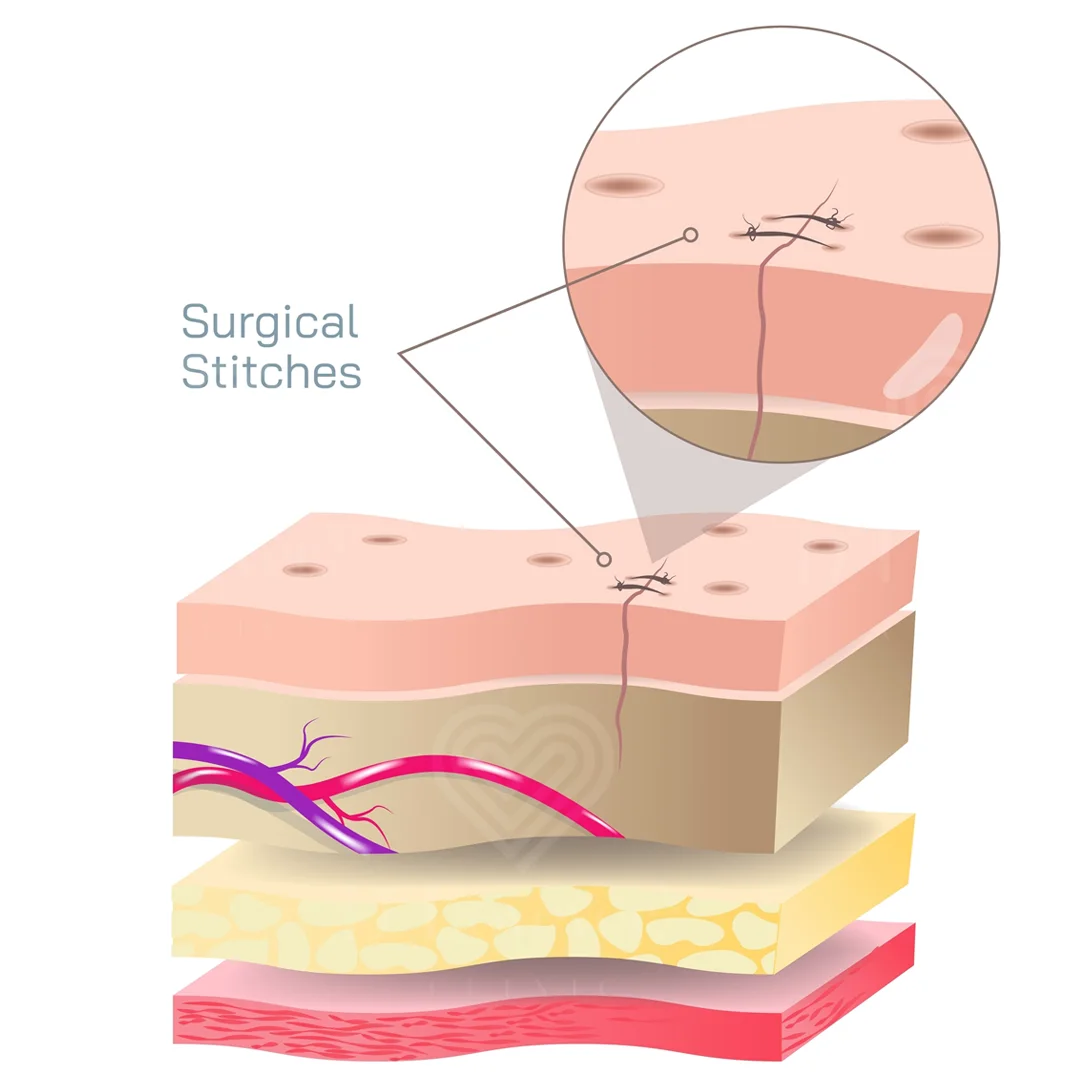
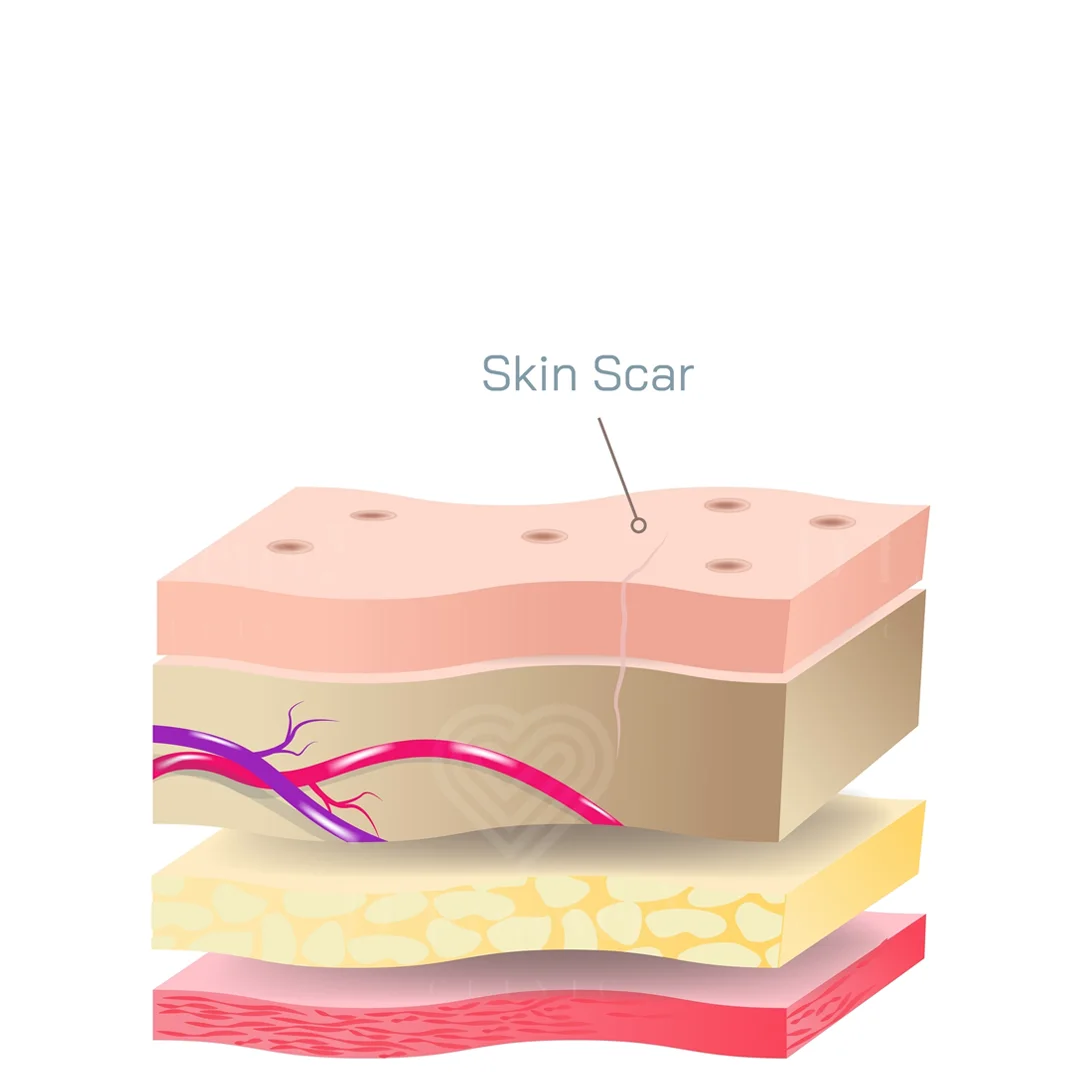
Generally, suture removal is done after 5-14 days, depending on the location of the wound and the type of sutures used. Your doctor will assess and determine the appropriate time for suture removal on a case-by-case basis. Removing sutures too early may cause wound dehiscence or infection, while leaving the sutures in too long may result in a thick and noticeable scar.
Suture removal after each surgical procedure.
Cosmetic surgery is a popular method for enhancing beauty, but after surgery, proper wound care and suture removal are crucial to ensure complete healing and prevent scarring.
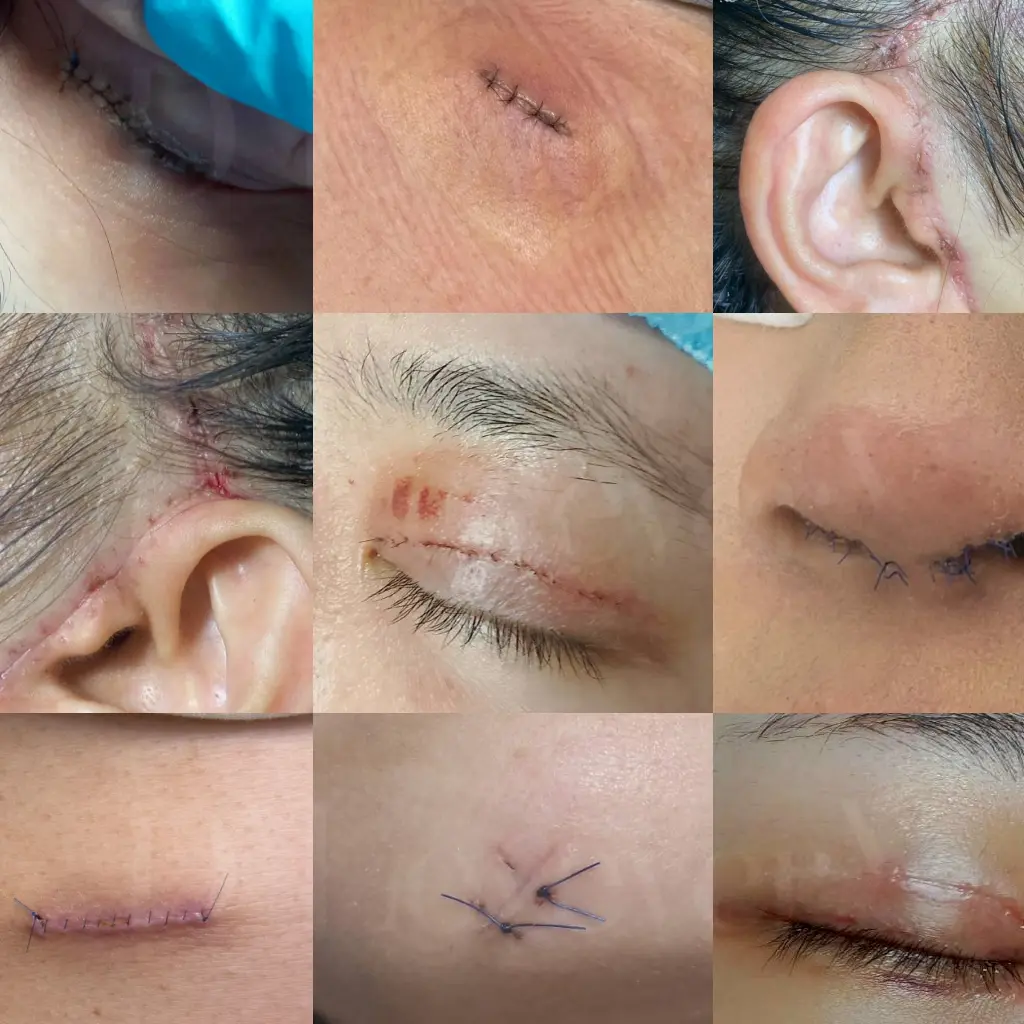
| Surgical area | Number of sewing needles (approximate) | Estimated time for suture removal. |
|---|---|---|
| double eyelids | 10-20 needles | 5-14 days |
| lower eyelid | 10-20 needles | 7-14 days |
| nose | 20-40 needles | 7-14 days |
| spittoon | 10-20 needles | 7-14 days |
| chin augmentation | 10-20 needles | 5-14 days |
| Mole removal | 3-7 needles | 7-14 days |
| Jaw reduction | 20-40 needles | 10-14 days |
| breast augmentation | 20-40 needles | 14-21 days |
| Liposuction | 10-20 needles | 7-10 days |
| Face lifting | *Depending on the scope of the surgery. | 14-21 days |
| The | *Depending on the scope of the surgery. | 14-21 days |
AtD' Lovevery Clinic Where are the most patients coming to have their stitches removed?
pie
    title คนไข้ตามประเภทการตัดไหม
    "ตัดไหมยกกระชับใบหน้า": 120
    "ตัดไหมเสริมจมูก": 80
    "ตัดไหมศัลยกรรมตา": 50
"ตัดไหมอุบัติเหตุอื่นๆ": 30| Patient group | สัดส่วน |
|---|---|
| Sitting with Chinese tourists. | 75 % |
| Thai people who have had plastic surgery abroad. | 20 % |
| Other nationalities/Thai people who have undergone plastic surgery in the country. | 5% |
อ้างอิงตัวเลขจากปี 2023-2026Review of suture removal after semi-open rhinoplasty.
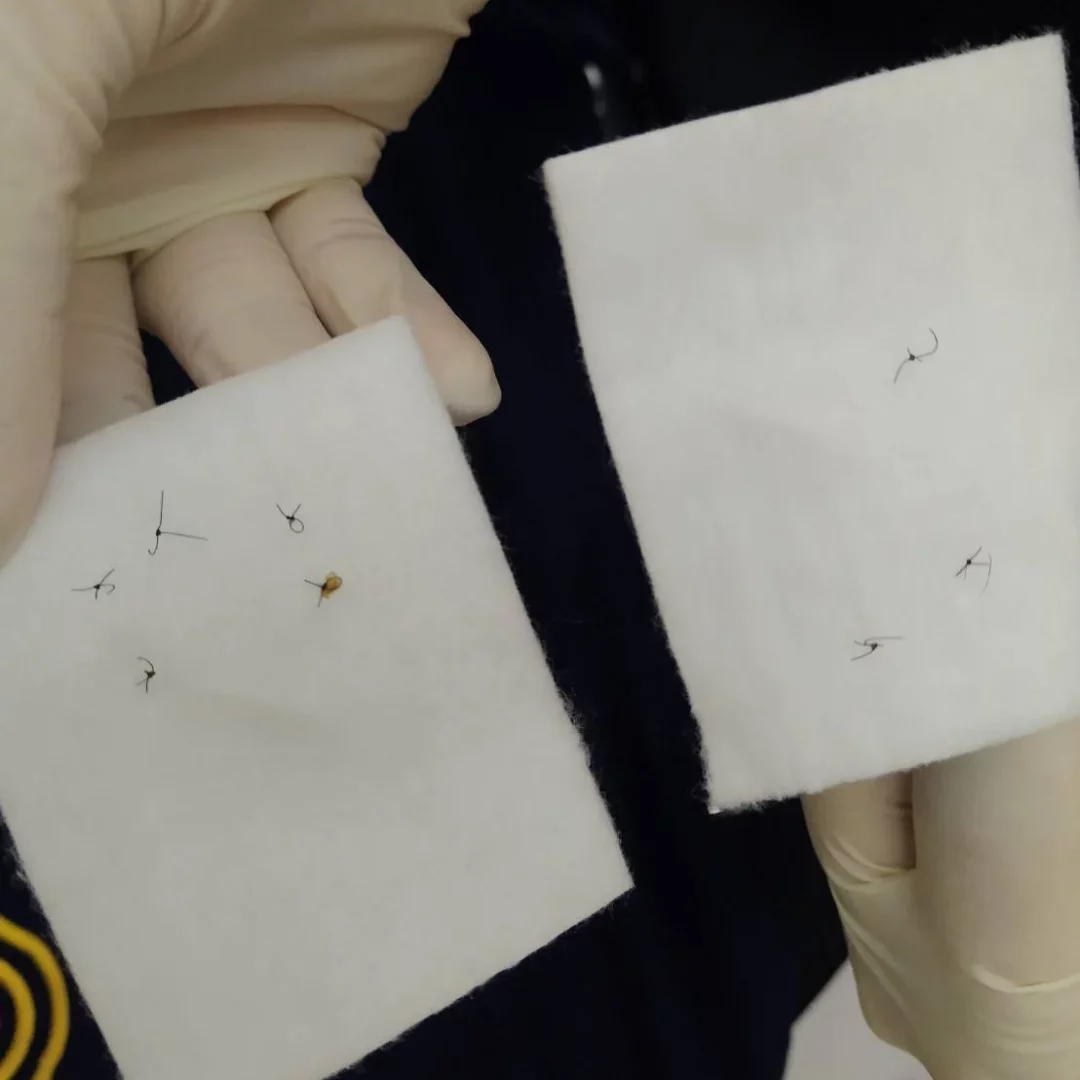
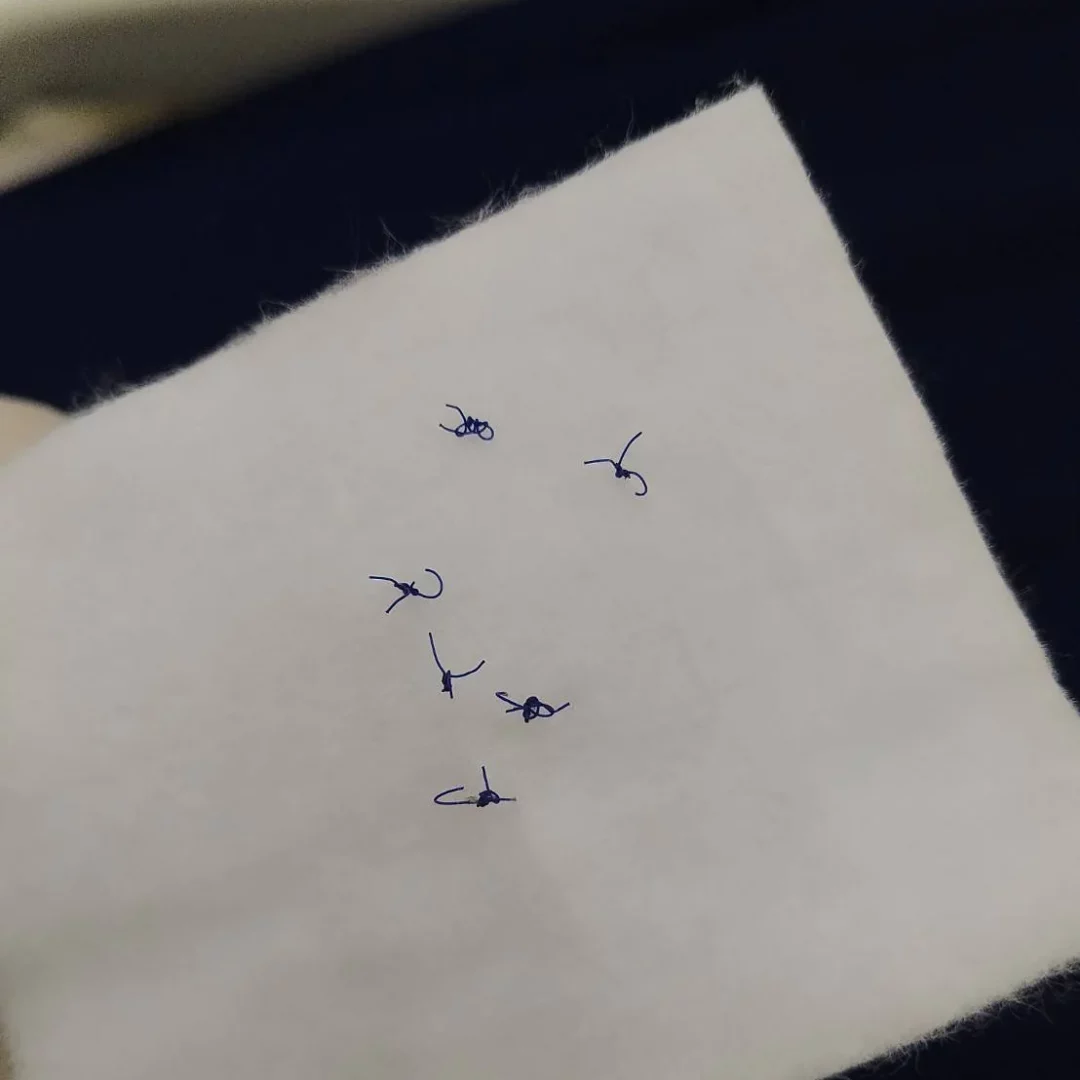
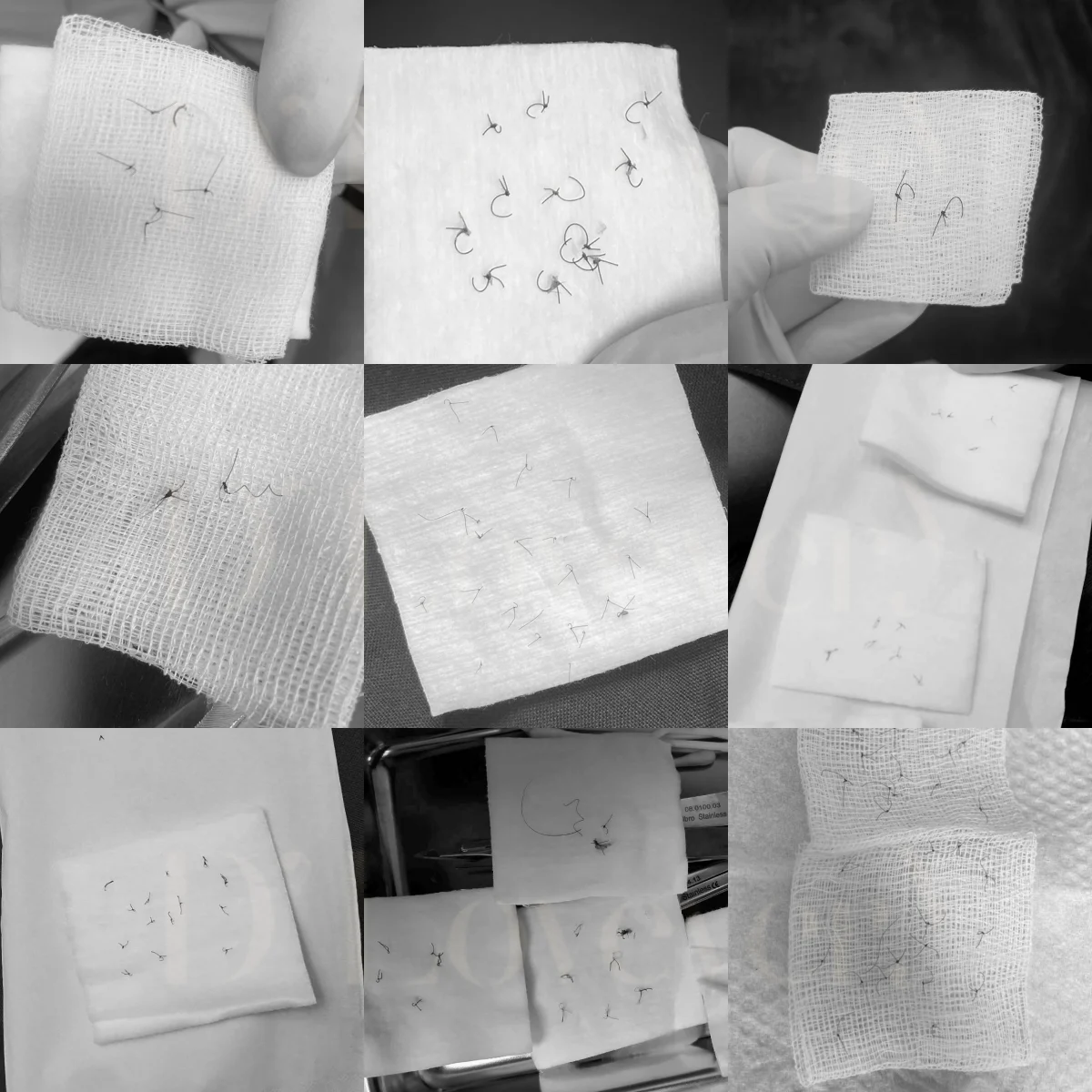
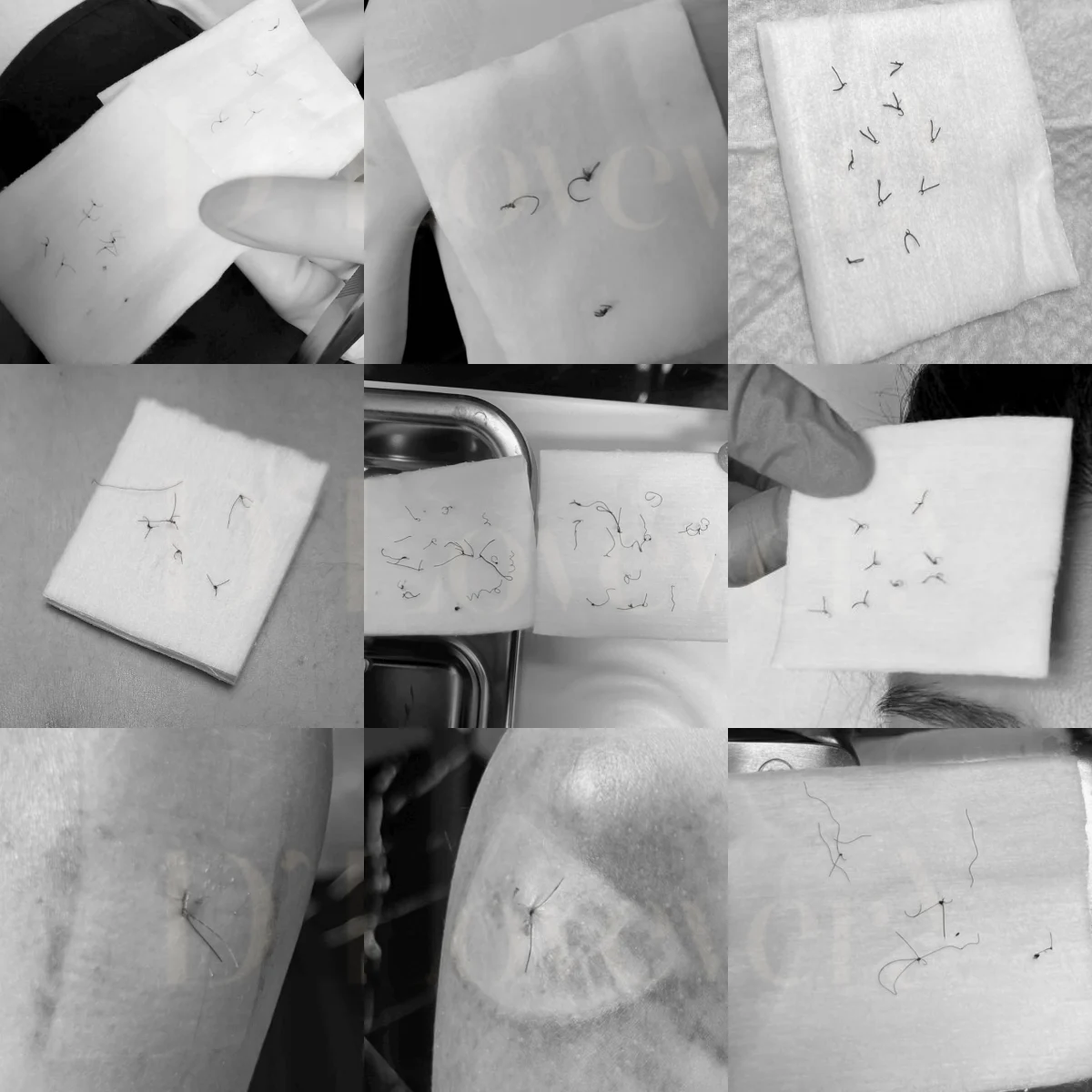
Review of suture removal for double eyelid surgery.
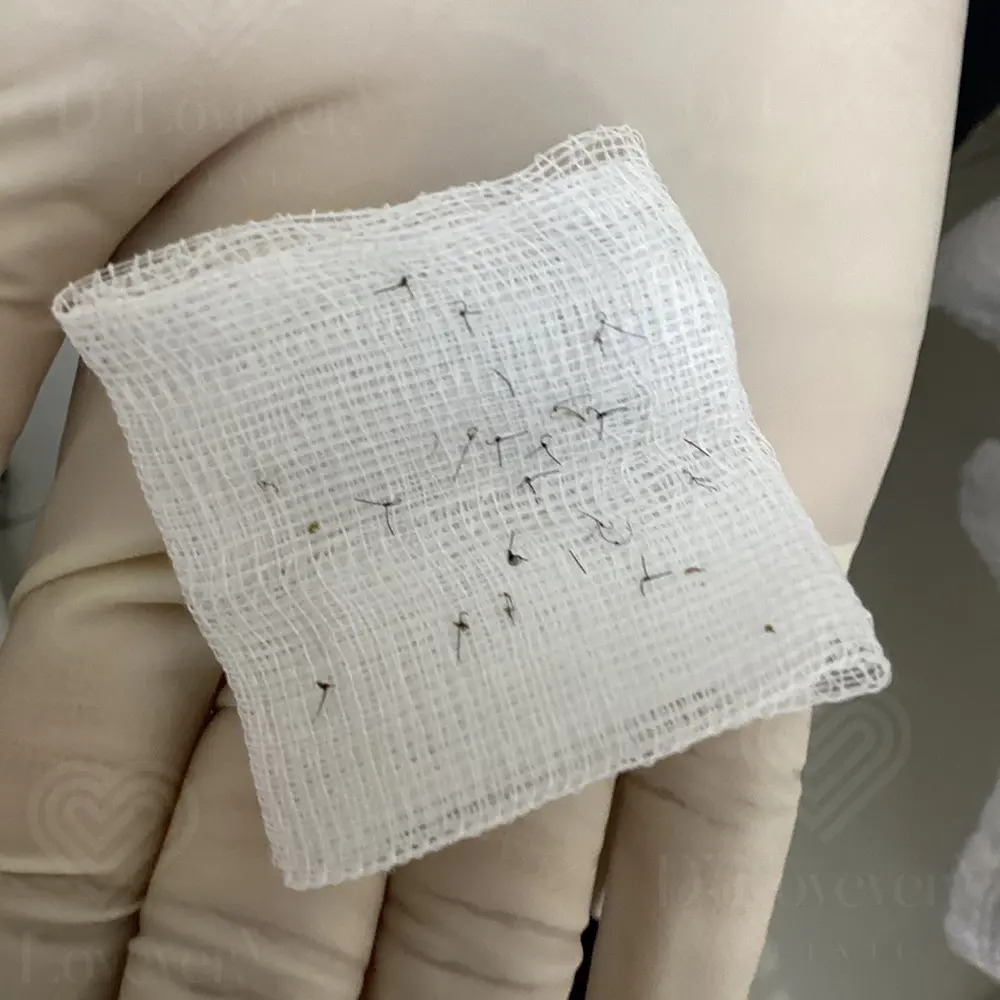
Suture removal time
The time it takes to remove sutures after surgery varies depending on the location and depth of the incision. Generally, small incisions may take about 5-7 days, while larger or deeper incisions may take up to 2 weeks before sutures can be removed. It is best to consult your surgeon to determine the appropriate time for suture removal.
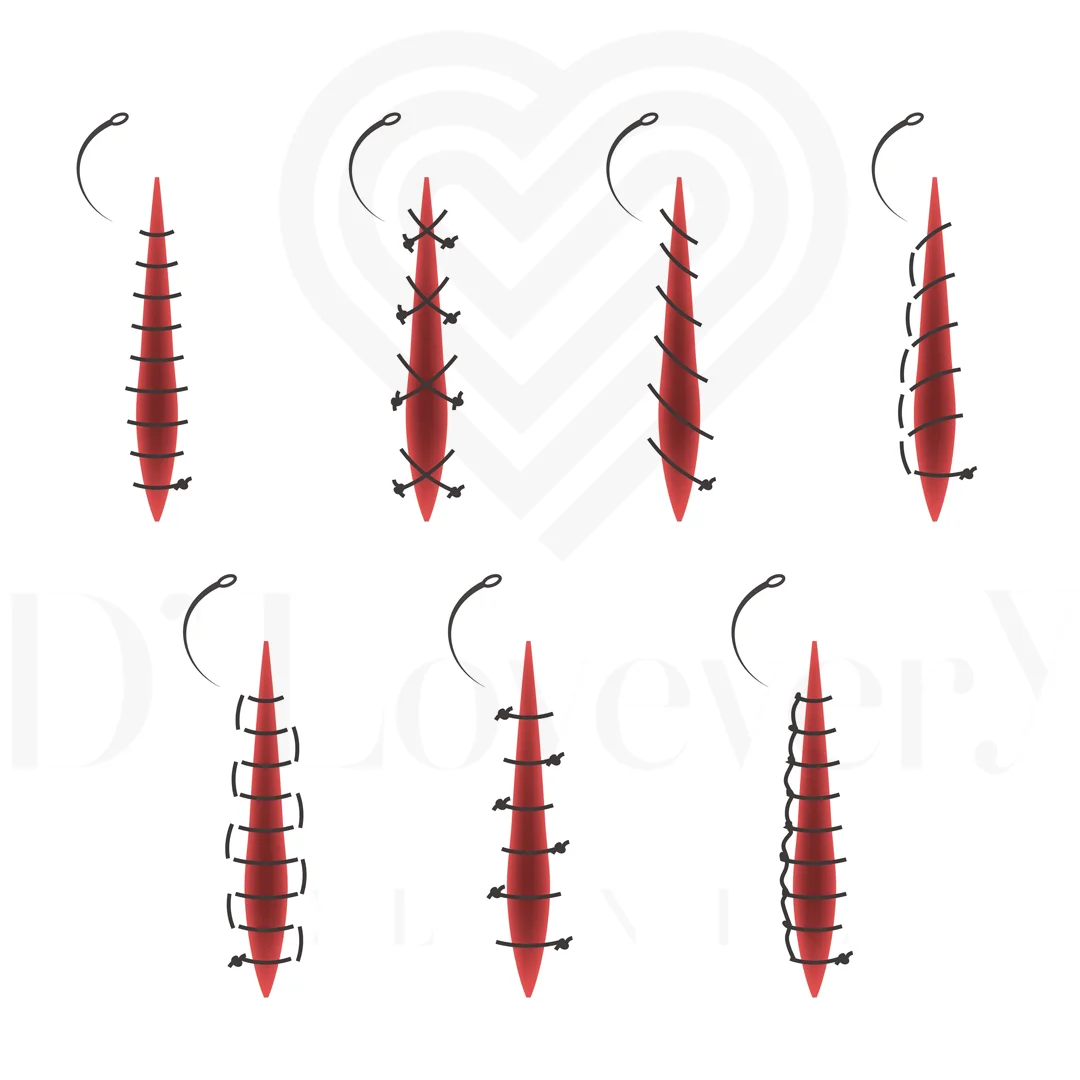
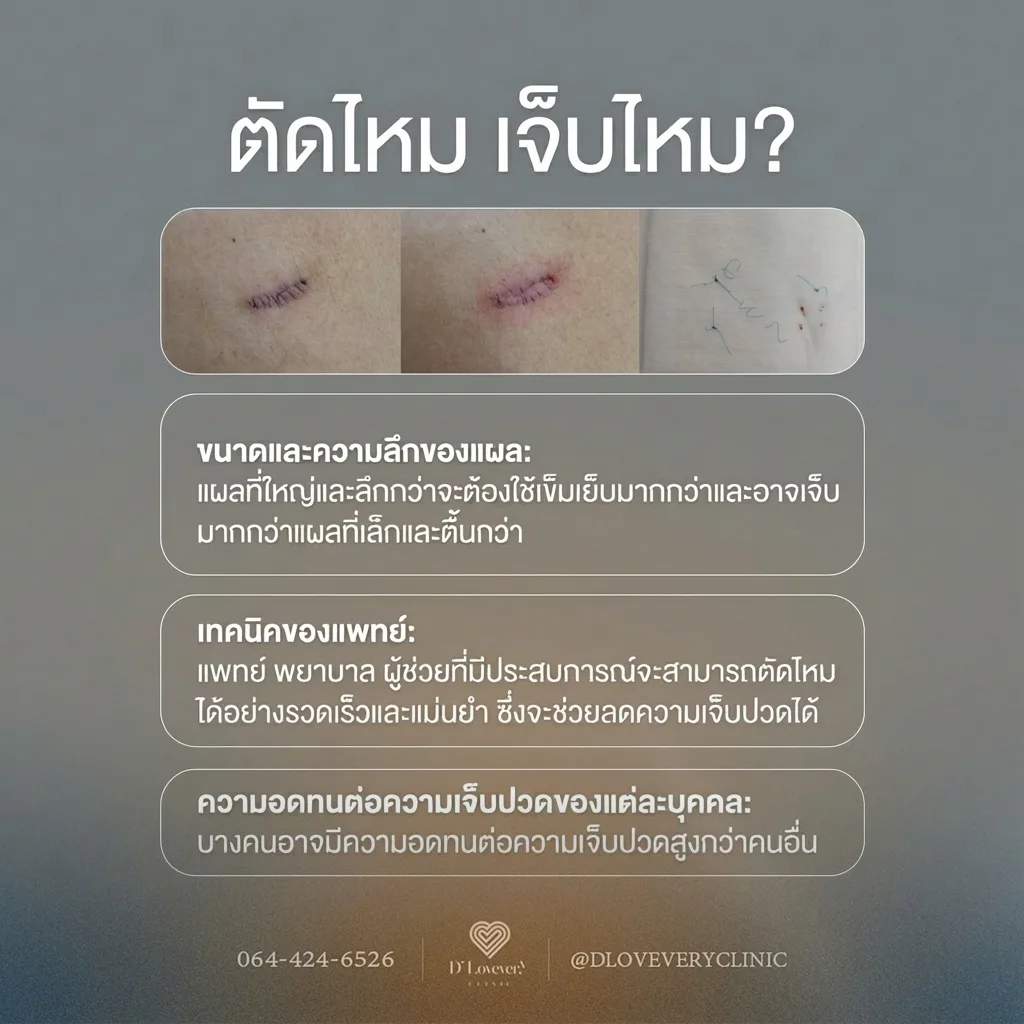
Does removing stitches hurt?
The pain from having surgical stitches removed varies depending on several factors, such as:
- Area where the surgery will be performed: Areas that are highly sensitive to pain, such as the face, will feel more pain than areas that are less sensitive to pain, such as the back.
- Size and depth of the wound: Larger and deeper wounds require more sutures and may be more painful than smaller, shallower wounds.
- Medical techniques: Experienced doctors, nurses, and assistants can remove sutures quickly and accurately, which helps to minimize pain.
- Individual pain tolerance: Some people may have a higher tolerance for pain than others.
Once the wound has healed, there may be tightness or pulling sensations around the wound. Some people report more pain than immediately after suture removal, while others report less pain, depending on several factors mentioned above.
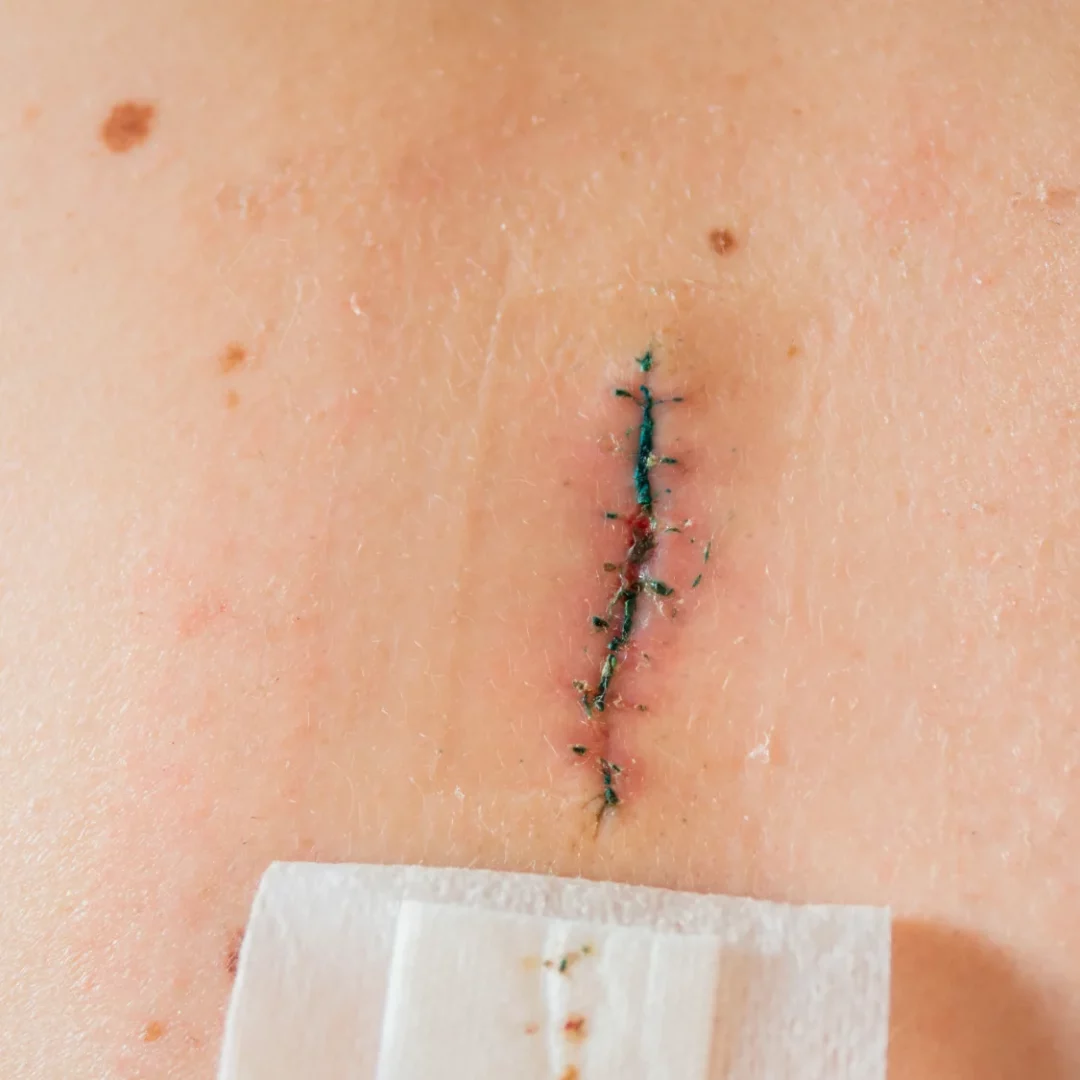
Suture cutting procedure
Suture removal after surgery should only be performed by a qualified physician to prevent infection and scarring. The suture removal procedure is as follows:
- Clean the wound area with saline solution or an antiseptic solution.
- Use sterile instruments to remove the sutures, cutting as close to the skin as possible.
- After the stitches are removed, clean the wound again and cover it with a sterile bandage.
Wound care after suture removal.
After the stitches are removed, wound care is crucial to prevent infection and promote faster healing. The following steps should be followed:
- Clean the wound twice daily with clean water and mild soap.
- Dry the wound and apply the cream or ointment recommended by your doctor.
- Avoid scratching or touching the wound unnecessarily.
- Avoid letting the wound soak in water or get it wet for extended periods.
- If you experience pain, swelling, redness, or pus, consult a doctor immediately.
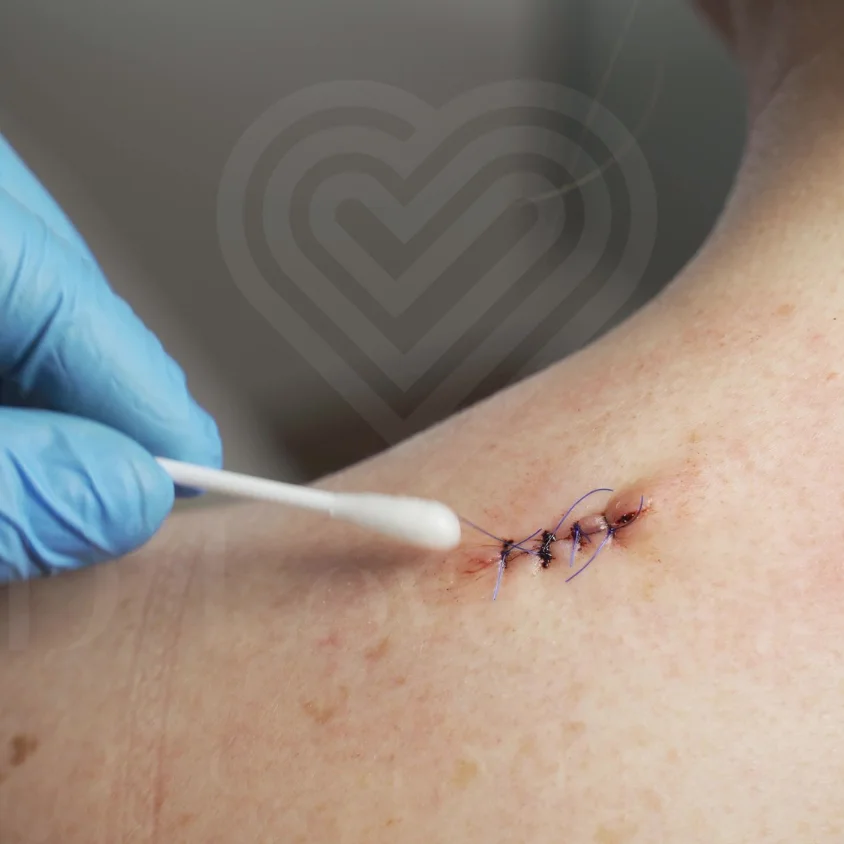
What will happen if the stitches aren't removed?
- Infection: Sutures are foreign objects that can become a breeding ground for bacteria. If the sutures are not removed in a timely manner, bacteria can grow and cause infection.
- Inflammation: Uncut sutures can cause inflammation and swelling around the wound.
- Scarring: Inflammation and infection caused by unremoved sutures can lead to undesirable scarring.
- Pain and discomfort: Uncut sutures can cause pain and discomfort, especially if they begin to dissolve or fray.
- Interference with treatment: Uncut sutures can hinder the natural healing process of a wound.
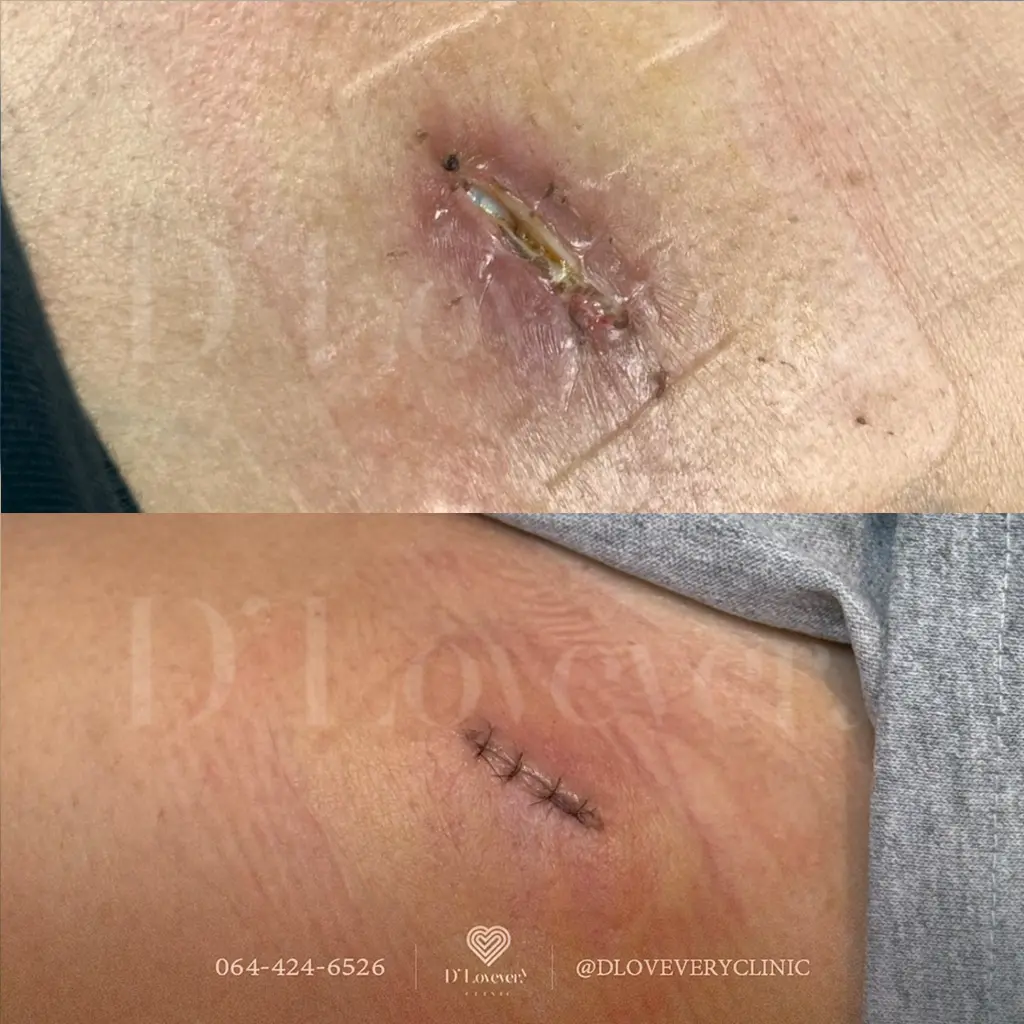
How many days after suture removal can I get my hands wet?
After the sutures are removed, the surgical wound should be kept dry for at least 24-48 hours to prevent infection and promote faster healing. If cleaning is necessary, use a clean, damp cloth to gently wipe and pat the wound dry. Do not rub or scrub the wound vigorously.
Afterward, you can shower as usual, but be careful not to let the wound get wet for too long and dry it thoroughly after each shower. If you experience pain, swelling, redness, fever, or pus draining from the wound, you should consult a doctor.
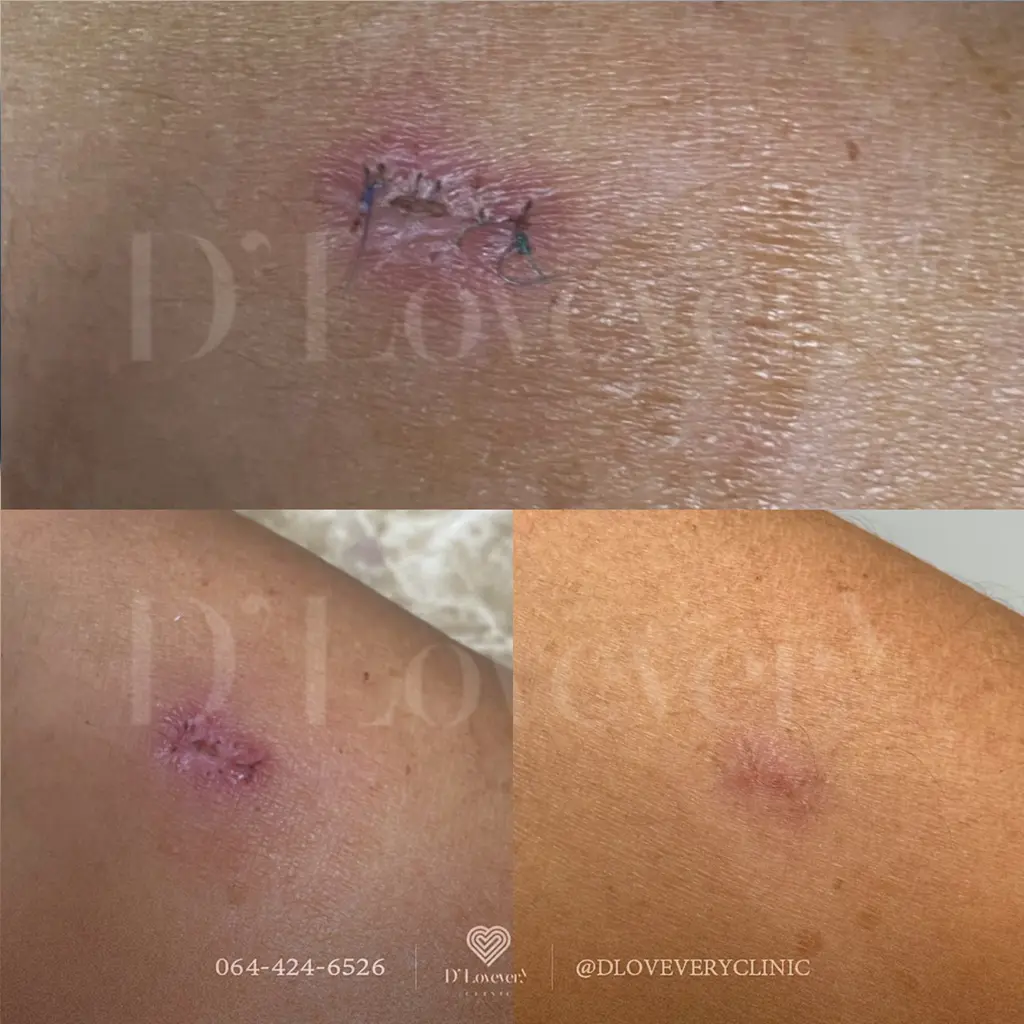
The type of suture used affects how the sutures are removed.
- ไหมละลาย
Dissolvable sutures are suitable for internal wounds (such as the inside of the lip) or clean wounds (such as episiotomy wounds after childbirth) because they dissolve on their own by enzymes in the body. However, they may cause minor inflammation, so they are not commonly used for external trauma wounds that may become infected.
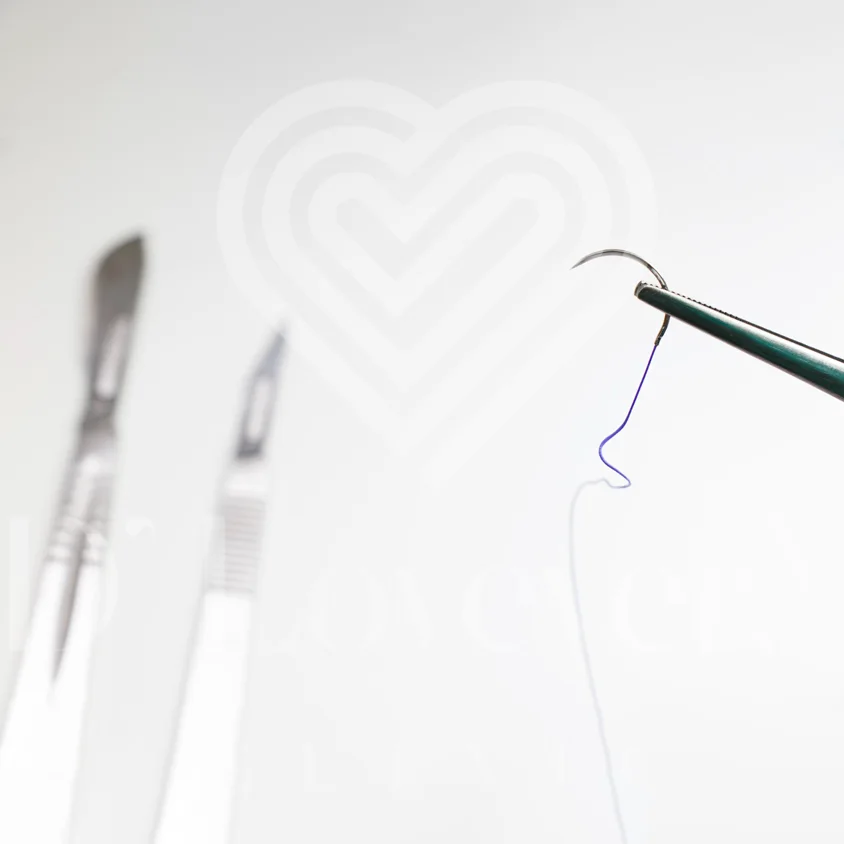
- Non-dissolving silk.
Non-absorbable sutures are used for general wounds (such as accidental wounds) because they do not irritate the skin and control tension around the wound better than absorbable sutures. Therefore, they are more popular for general wound care.
What type of sutures are used in surgical procedures?
- Nose augmentation: ไหมละลาย
- spittoon: ไหมละลาย
- Double eyelids: ไหมละลาย
- Liposuction: Non-dissolving silk.
Because these minor surgical wounds are clean, internal wounds, dissolvable sutures are preferred, as they significantly reduce the risk of scarring and infection compared to non-dissolvable sutures.
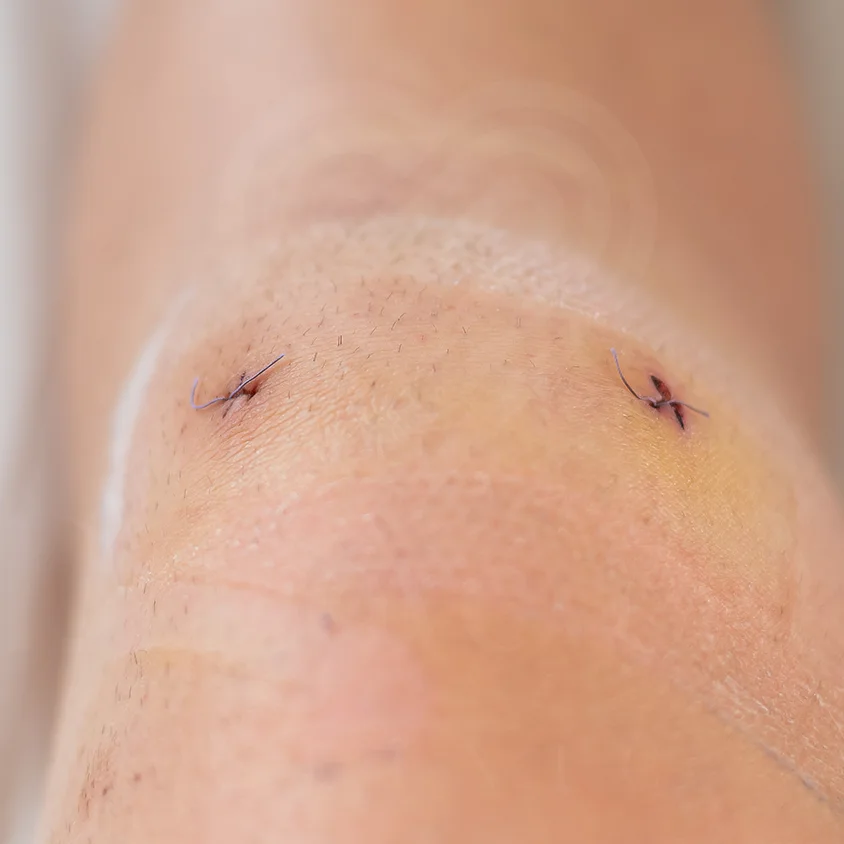
How much does it cost to have stitches removed?
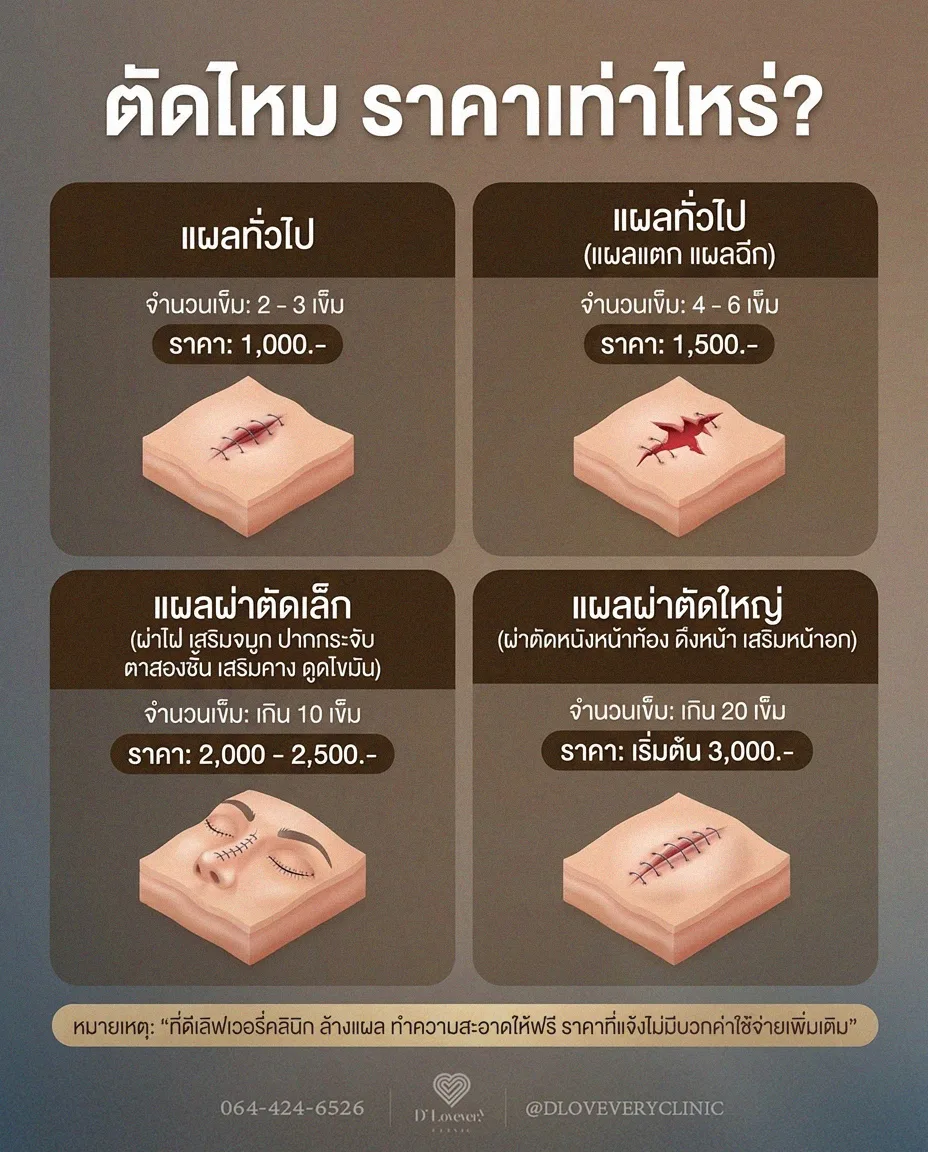
| Price of suture removal after surgery. | Price (THB) |
|---|---|
| Remove upper eyelid stitches. | 2,500 |
| Remove lower eyelid stitches. | 2,500 |
| Open the inner and outer corners of the eyes (each point). | 1,000 |
| Suture removal (Subbrow) | 2,000 |
| Nasal suture removal using the Close technique. | 1,000 |
| Nasal suture removal using the Semi-Technique. | 1,500 |
| Nasal suture removal using the Open technique. | 2,000 |
| Removing stitches from the nostrils. | 1,500 |
| Remove the stitches behind the ear. | 1,500 |
| Suture removal for facelift/face lift. | 5,000 For staples, add +1,500 THB. |
| Suture removal (Endortrine) | 3,500 If staples are required, add +1,500 THB. |
| Remove the stitches from the upper lip. | 2,000 |
| Remove the stitches from the lower lip. | 2,000 |
| Gum suture removal / Jaw reshaping | 3,500 |
| Suture removal for facial contouring (incision inside the mouth). | 5,000 |
| Chin stitch removal | 1,500 |
| Remove small stitches from the body (per stitch). | 1,000 |
| Suture removal after FUT hair transplant (beginner level). | 3,000 |
| Labiaplasty (for labiaplasty surgery) | Starting at 5,000 |
| Vaginoplasty (for vaginal surgery) | *Not yet available. |
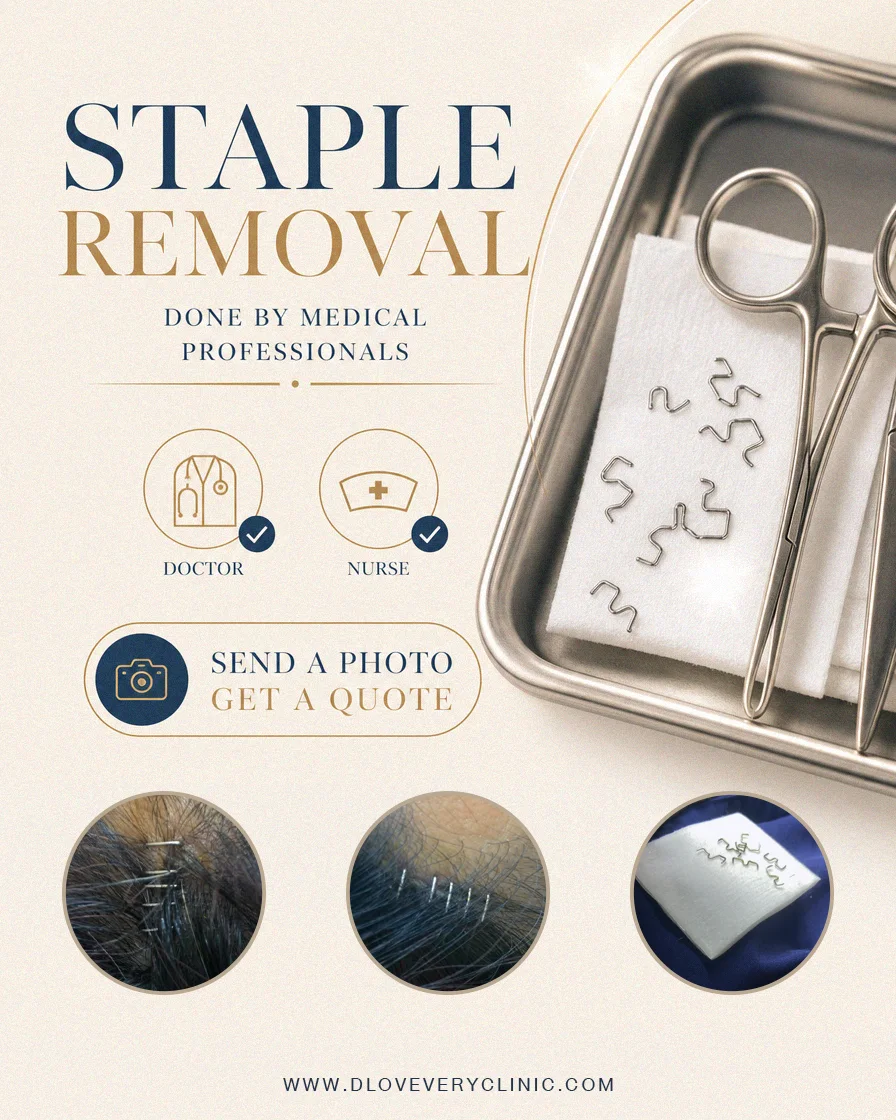
| Comparison | Cutting regular sutures. | Removing surgical staples. |
|---|---|---|
| Equipment used | • Suture Scissors • Thumb forceps | • Specialized staple extractor/staple remover pliers |
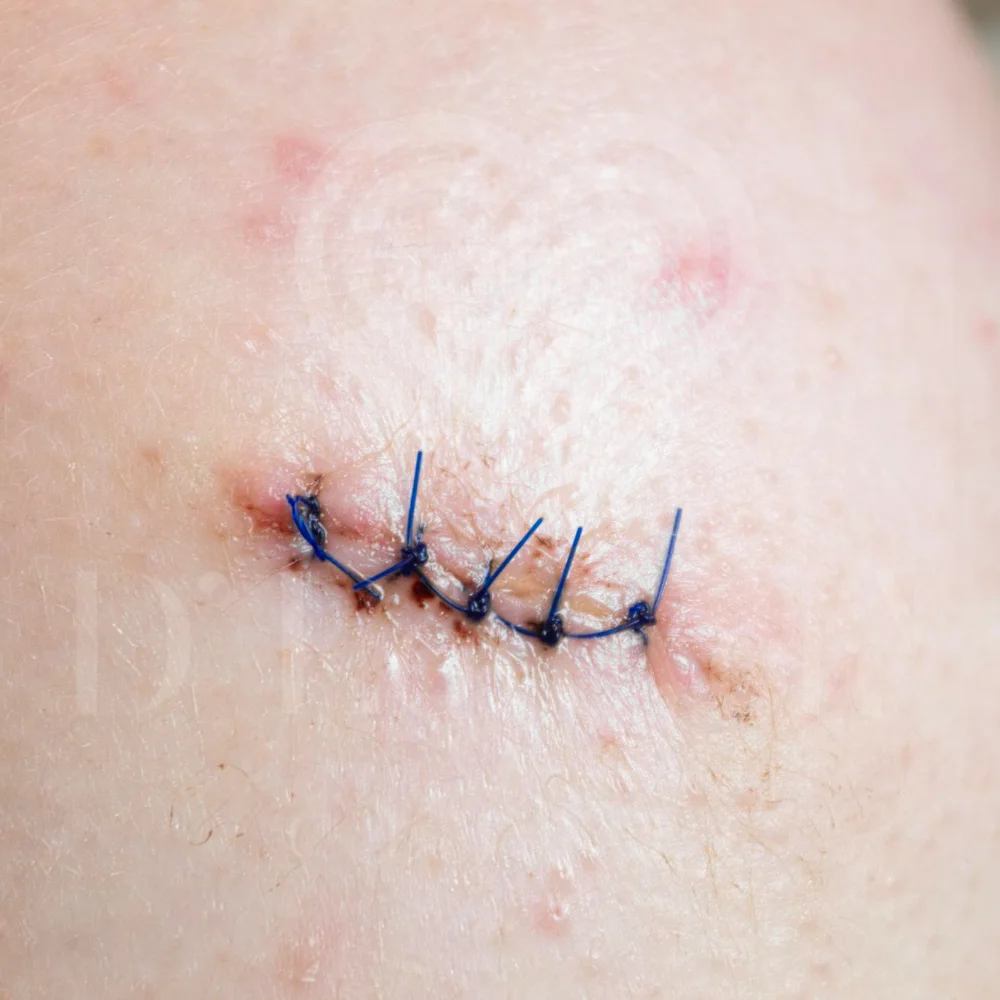
| Steps and methods | Use tweezers to pull the knot up, cut the suture closest to the skin, and then carefully pull the suture through the skin, one section at a time. | Insert the lower end of the wire remover pliers under the center of the wire. Squeeze the pliers to bend the wire upwards. Both ends of the wire will open and detach from the skin. Lift it straight out without pulling on the skin. |
| Feelings while doing it | You may feel a slight tightness or stinging sensation while the thread embedded under your skin is being pulled out. | It feels like a light snap or pinch when you bend the wire. The pain is usually less because the end of the wire is held straight up. |
| Speed of execution | It takes more time; you have to cut and pull it piece by piece. | It takes about the same amount of time, and the doctors and nurses pay attention to detail. |
| Wound healing time before surgery/removal. | • Face: 5–7 days • Torso/limbs: 7–10 days • Joints/high-tension points: 10–14 days | • Scalp: 7–10 days • Torso/Abdomen/Back: 7–10 days • Joints/high-tension points: 10–14 days |
| Post-operative care/removal | Clean the wound, cover with a waterproof bandage or Steri-Strip as directed by your doctor, and avoid contact with water for 24–48 hours. | Check for needle punctures where the wire is embedded. Cover the wound or apply a Steri-Strip to support the wound. Avoid contact with water for 24–48 hours. |
| Post-healing scars | If left for too long, it may develop cross-hatching patterns resembling centipede tracks. | These appear as small pinhole-like dots on either side of the wound and usually fade easily. |
| Expenses | Standard suture removal service rates. | clinicAdditional service and equipment charges apply: 1,500 THB. (Because specialized, sterile equipment is required for removing the wire.) |
Suture removal after surgery is an important step that helps the wound heal faster and prevents scarring. However, it is crucial to strictly follow your doctor's instructions and regularly monitor the wound. If you notice any unusual symptoms, consult a doctor immediately to prevent infection and unwanted scarring.
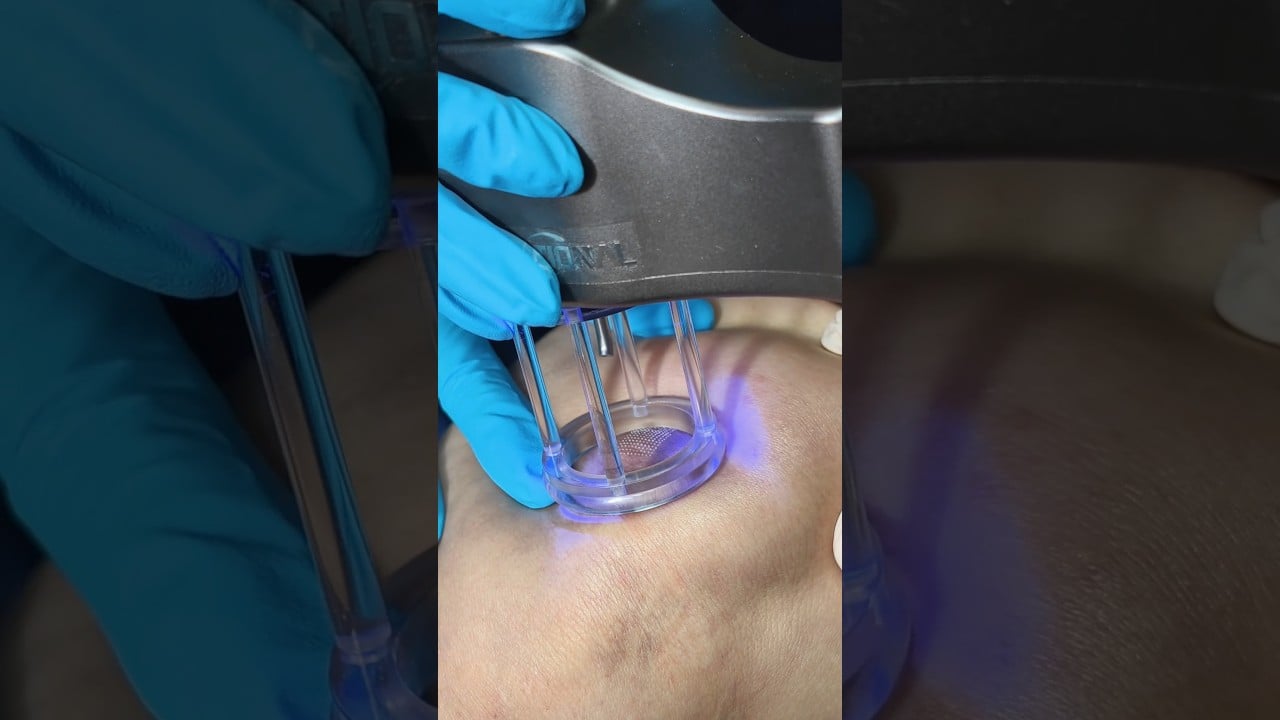
Why choose D' Lovevery Clinic for suture removal?
Post-surgical wound care is crucial. D' Lovevery Clinic is committed to providing the safest and most attentive care at every stage of your suture removal process.
- Personalized and considerate: An experienced doctor will carefully assess each case to provide advice and plan the most appropriate suture removal.
- Relaxed and carefree: We provide complete information about the suture removal process, its advantages and limitations, and answer all your questions to help you make a comfortable decision.
- Continued care by the same doctor: The doctor who assesses and advises you will monitor you throughout the suture removal process to ensure continuity of care and the best possible results.
- A standard clinic with convenient transportation: Our clinic is certified and offers a clean, safe, and convenient environment with free parking.
- Transparent and verifiable: We provide all information transparently and are ready to answer all your questions to ensure your confidence at every step.

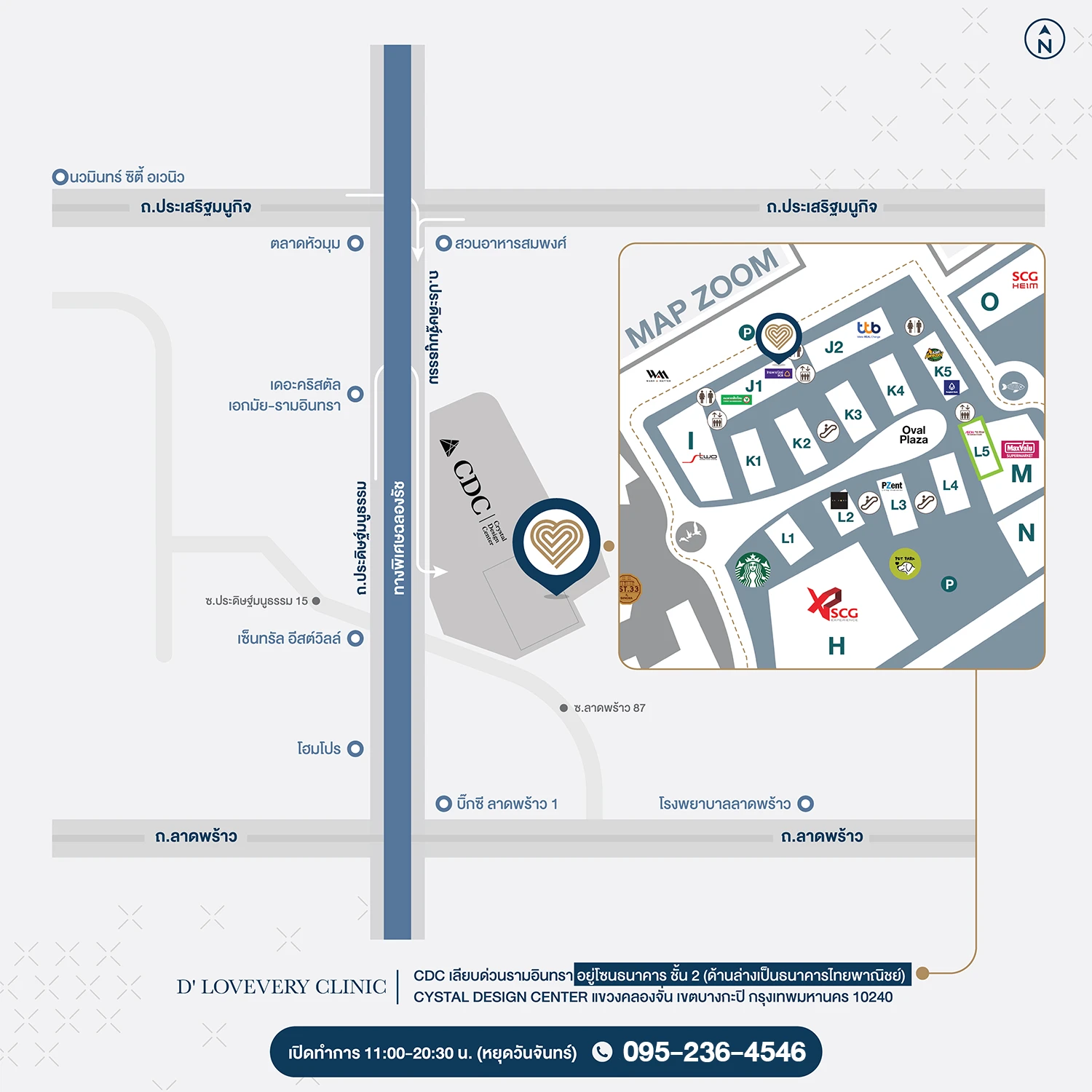
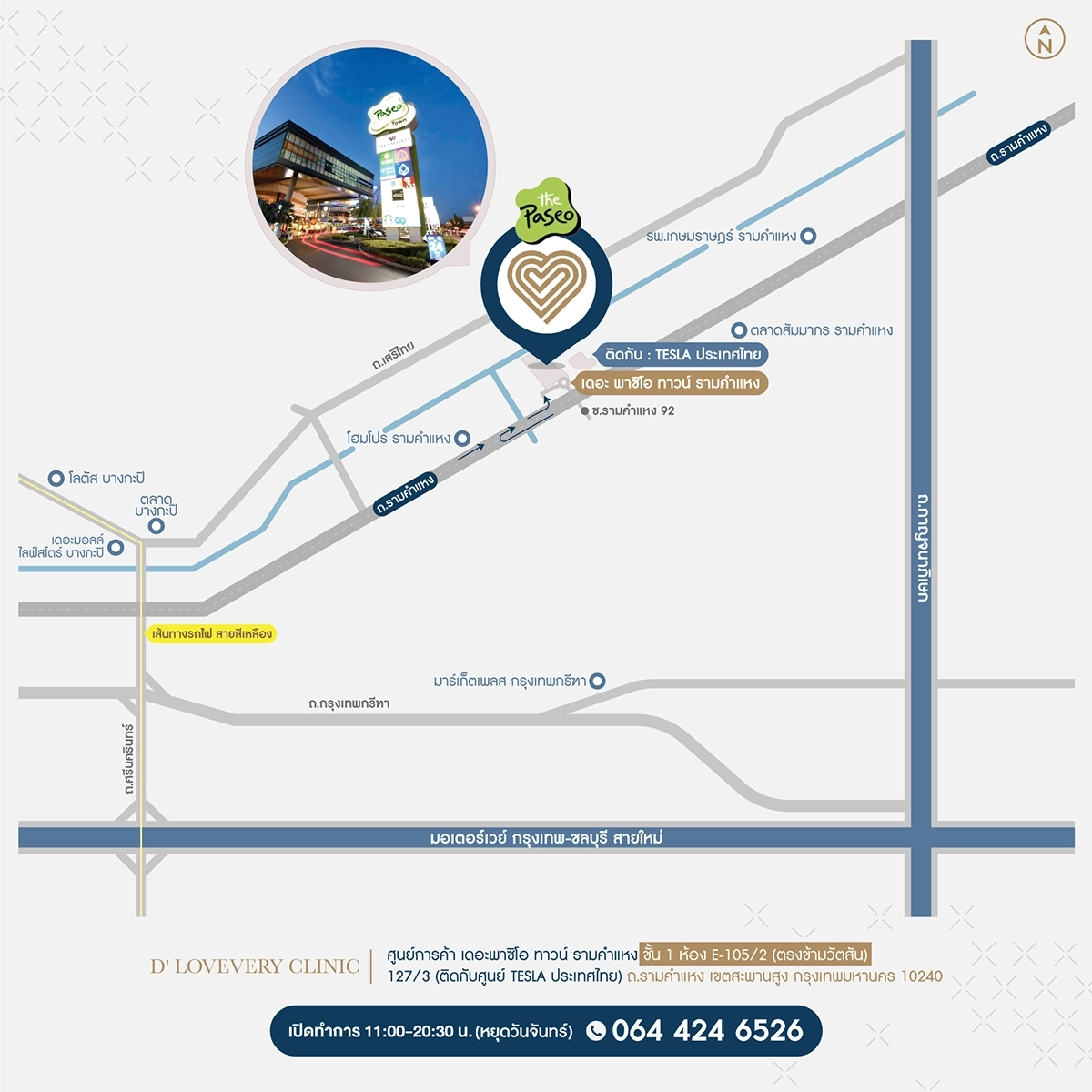
D' Lovevery Clinic We provide services at 2 branches.
The clinic offers these services. Removing stitches after labiaplasty. It is categorized as a service. Labiaplasty (for labiaplasty surgery) Prices start at 5,000 THB, including wound cleaning.
*The clinic offers both dissolvable and conventional suture treatments. The doctor will assess the wound and proceed as appropriate for each individual case. If you have confirmation documents from your previous medical facility, please inform the doctor before receiving treatment.
Removing sutures after vaginal surgery. Will be in service. Vaginoplasty (for vaginal surgery) But the clinic is not open yet. It's best to have the stitches removed at the clinic or medical facility where you had the surgery.
wayD' Lovevery ClinicSuture removal service is available for patients who have undergone gum surgery, jaw reshaping, and V-Line surgery. This suture removal will be performed by...Doctors or registered nurses (This procedure is not performed by staff members from other positions) to ensure the safety and cleanliness of the wound.
The cost for gum suture removal or jaw reshaping will be... 3,500 THB. And if you have already had a V-line procedure and need the stitches removed. Adding V Line will incur an additional charge of 1,500 THB.
If you're unsure, please provide details of the area you want surgically treated and send photos for a price estimate via Line. Our team will then inform you of the earliest available appointment.
The PN drug has a high concentration and the ability to... Angiogenesis Or, it can promote the creation of new blood vessels, delivering nutrients to the tissue around the surgical wound more effectively than using just a regular skin booster.
Using group helpers. PN, for example. Plinest หรือ They swear It helps surgical wounds heal faster and more smoothly. Because it helps repair cells from within, but you should start getting injections when... The wound must be completely closed. Yes, for external care, the patient should focus on topical application. Silicone gel for reducing scars. And avoid sunlight to prevent post-operative hyperpigmentation (PIH). If the patient is unsure whether the wound is ready for injection, it is safest to have a doctor assess the site beforehand.
Fatty lumps larger than 5 centimeters are classified as requiring monitoring, also known as... Giant Lipoma Although most of it is benign, its large size could affect the nerves, causing pain, numbness, or muscle compression. Doctors recommend surgery. Surgical excision More than just liposuction, because it's the only method that can completely remove the fat sacs. Helps reduce the chances of recurrence. And most importantly, the tissue sample can be examined histopathologically to confirm its safety 100%.
The doctor recommends having the surgery at a reputable hospital near your home. However, if it's smaller, minor surgery can be done at a clinic. Please send photos for evaluation first.
The use of ultrasound can differentiate... Cysts and fat deposits can be detected with over 85–95% accuracy. In the general form of a lump under the skin.
What can a doctor see during a visual and manual examination?
Looking at and palpating lumps is... The first and most important step. Yes, the doctor will be able to assess that.
- lump How shallow or clearly does it protrude?
- Is it soft or hard? Is it movable?
- มี Pain, redness, heat. Or not?
However, this type of test has limitations because doctors... You can't actually see the internal structure. Yes
Ultrasound allows you to "see through the skin."
Ultrasound uses high-frequency sound waves to create images. Real-time data both within and beneath the skin.
This provides much more detailed information than palpation in many areas. Of course, it also comes with a higher cost.
Or, if you've had a checkup and it's found to be a common fatty lump and you'd like it surgically removed, our clinic also offers this service. Send us pictures of your test results or the problem for evaluation, and we can schedule an appointment.
The aesthetic appearance of the scar after suture removal depends on the balance between... This is the suturing technique used by the surgeon. Which requires reducing the surface tension to an appropriate level, combined with... Precise suture removal timing. To prevent the sutures from sinking in and leaving marks like railroad tracks, the ultimate deciding factor lies with the patient themselves, including... Genetics (e.g., history of keloids) And discipline in Post-surgical wound care For example, not cleaning the wound, allowing dried blood clots to remain (these two are the most common), avoiding strenuous movement in areas with high tension, and preventing infection are key to a smooth and beautiful wound healing process. To put it simply, the doctor accounts for 50% of the success; the patient must also contribute 50%. Suture removal can also be affected if the medical facility lacks experienced staff. "Pull the dirty suture thread and pass it under the skin." Re-inserting or pulling the sutures out means we're introducing germs into healing tissue, potentially causing reinfection, inflammation, or pus formation. This small detail directly affects the wound after suture removal.
Therefore, our clinic prioritizes this by having the doctor remove the sutures themselves, carefully assessing each case, and taking a thorough patient history to ensure accuracy and appropriateness before removing the sutures.
Typically, the doctor schedules a follow-up appointment to remove sutures within 5-14 days, depending on the location and the individual. And we also assess the situation based on the latest wound images of each patient. Don't leave it for too long, because it will be difficult to remove, painful, and may lead to suture retention and a risk of infection.
All types of surgery leave scars. Mole removal surgery, although a minor procedure, involves making an incision in the skin to remove the mole, especially in cases of... Moles that are large or have deep roots. The doctor needs to cut a section of skin wider and deeper than the visible size of the mole to ensure that the entire root can be removed. This means that the scar after suturing will also be larger. Therefore... It must be accepted that scarring will occur after mole removal surgery. However, the fading and smoothing of the scar depends on the doctor's suturing technique, post-operative wound care, and importantly, each individual's skin response.
For this reason, most doctors tend to consider both the necessity and the cosmetic outcome, provided the mole does not pose a risk of becoming cancerous and does not interfere with daily life. Doctors usually recommend surgically removing moles that are in inconspicuous locations. เช่น Moles that are covered by clothing, or on the body, arms, or legs. Because the skin in these areas can more easily hide scars under clothing, but for... Moles on the face, neck, or other clearly visible locations. The doctor will carefully assess the pros and cons because even with the most meticulous suturing, a faint scar may still remain. Therefore, deciding to surgically remove a prominent mole is a worthwhile endeavor. "exchange" From a black mole to a linear scar, you, the customer, need to consider which outcome you are more willing to accept.
Our clinic offers the following services: Suture removal after FUT hair transplant. Performed by a doctor for safety and to minimize scarring. We will examine the wound and provide instructions on proper wound care. Suture removal will be done using sterile instruments and gently.
The cost of suture removal after FUT hair transplant starts at 3,000 THB. A wound assessment and consultation will be conducted beforehand. Please send photos for evaluation. The clinic will not remove sutures before the scheduled time, and it's not advisable to leave them in for too long, as this may cause the sutures to become embedded, lead to infection, or make removal more difficult. D' Lovevery ClinicWe have two branches and are happy to provide consultation and services.
Price for removing stitches from other areas.
Paseo Ramkhamhaeng Branch
📞 064-424-6526
Crystal Design Center (CDC) branch
📞 095-236-4546