
What are subcutaneous fatty lumps, cysts, and lipomas?
If you've just discovered a lump under your skin for the first time, you might feel worried. Don't panic! The lump could simply be a cyst or a lipoma, most of which are harmless. D' Lovevery ClinicThis will help you understand the differences, symptoms, causes, and initial care methods, as well as how to recognize symptoms that warrant a doctor's visit, so you can cope correctly and with peace of mind.
Sebaceous Cyst: Causes, Symptoms, and Treatment
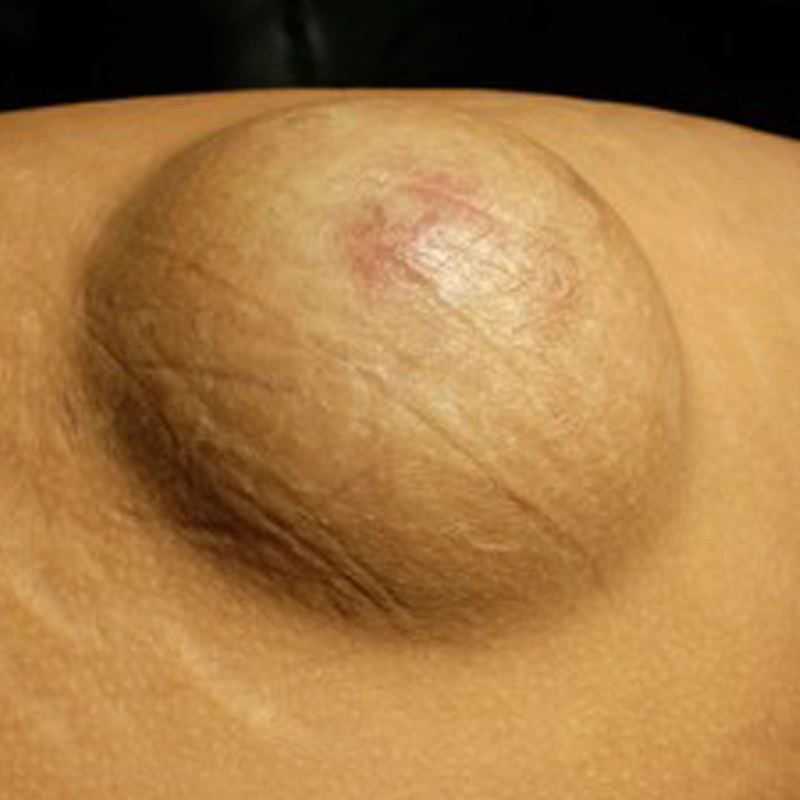
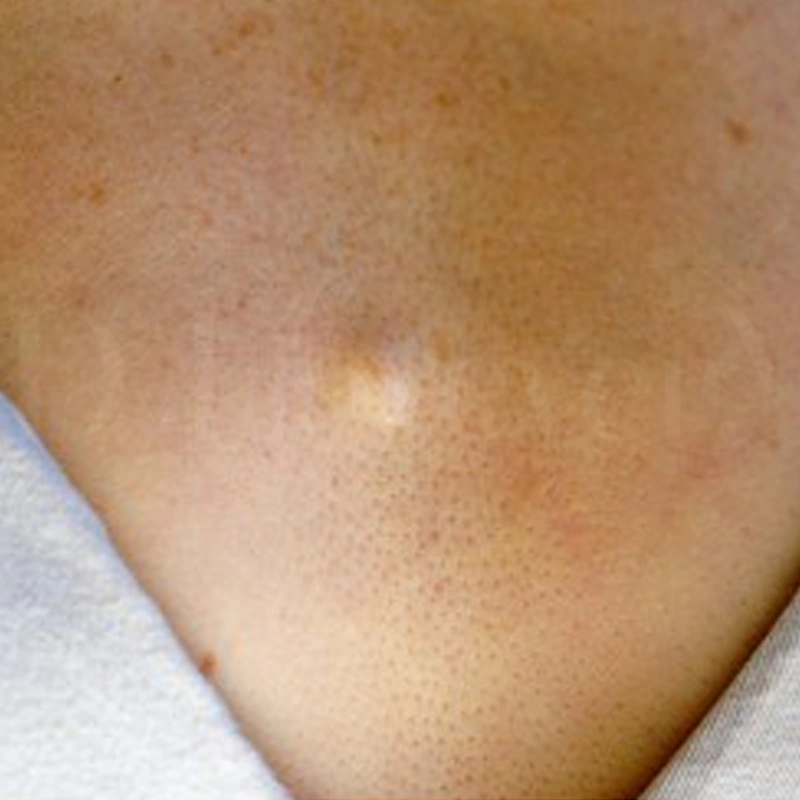
A sebaceous cyst is a subcutaneous sac filled with a keratin-like substance. It is usually round, has smooth edges, is slightly mobile, and may have a visible opening. It is often caused by clogged hair follicles or skin injury.
Causes of cyst formation.
pie
    title สาเหตุของการเกิดซีสต์
    "การอุดตันของต่อมไขมันหรือต่อมเหงื่อ" : 25
    "การบาดเจ็บของผิวหนัง" : 25
    "การได้รับรังสียูวี" : 25
    "โรคทางพันธุกรรม" : 29
- Blockage of the sebaceous glands or sweat glands.
- Skin injuries
- Exposure to UV radiation
- โรคทางผ
Symptoms of a cyst.
- A lump was found under the skin.
- Round shape, smooth edges.
- Same color as skin, or white.
- Press and it will roll.
- Usually, there is no pain.
- Slow growth or no change in size.
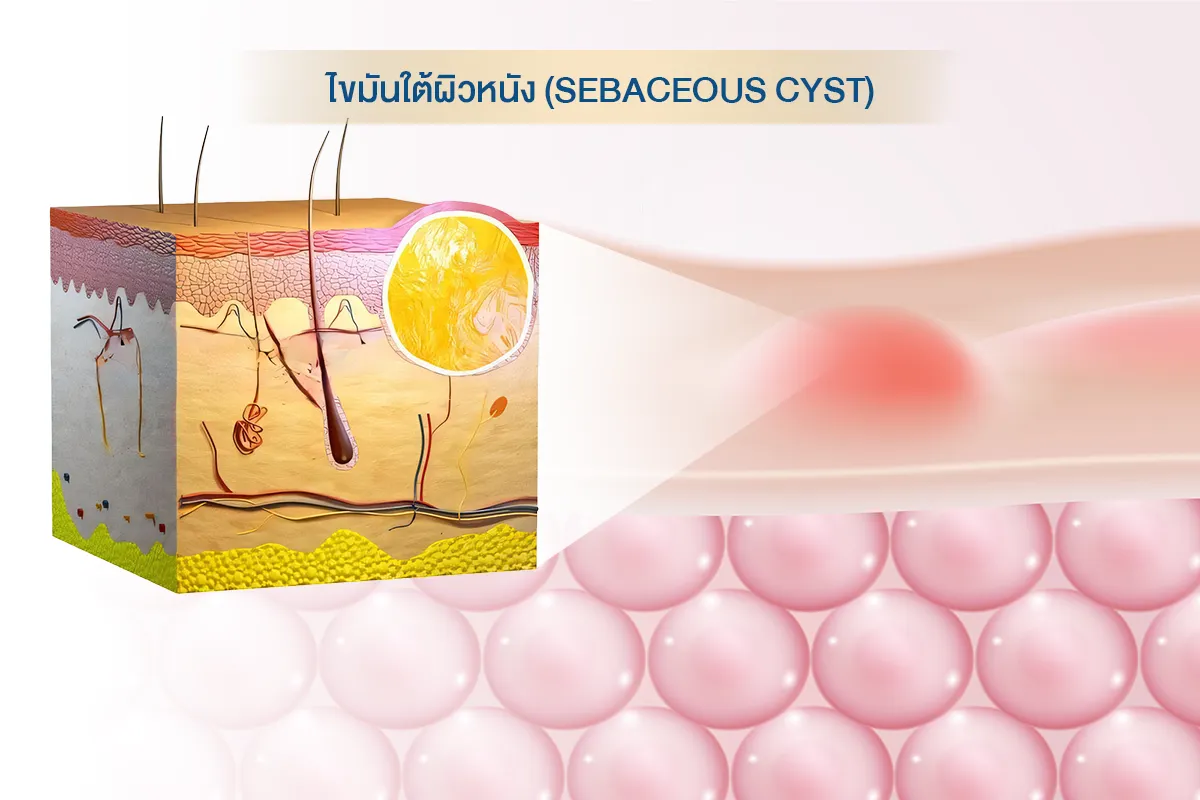
Treatment of cysts
- do surgery: Removing the entire cyst is suitable for large, painful, inflamed, or recurring cysts.
- Liposuction: Draining fluid/fat from cysts is suitable for large cysts with fluid inside, but they may recur.
Lipoma (Benign Lipid Tumor): Getting to Know These Benign Lumps
A lipoma, or benign tumor, is a mass composed of fat cells, usually located between the skin and muscle layer. It is a soft, movable, and painless lump. Most are benign and do not become cancerous.
pie title ตำแหน่งที่พบบ่อยของก้อนไขมันใต้ผิวหนัง
    "ลำตัว" : 40
    "ต้นแขนและต้นขา" : 30
    "คอ" : 20
    "ศีรษะ" : 10
อ้างอิงคนไข้ของD' Lovevery Clinic ตั้งแต่ปี 2022-2025Causes of benign (non-cancerous) tumors.
- The exact cause is unknown in most cases.
- It may be related to genetics.
- Research has found that it is not related to consuming fatty foods.
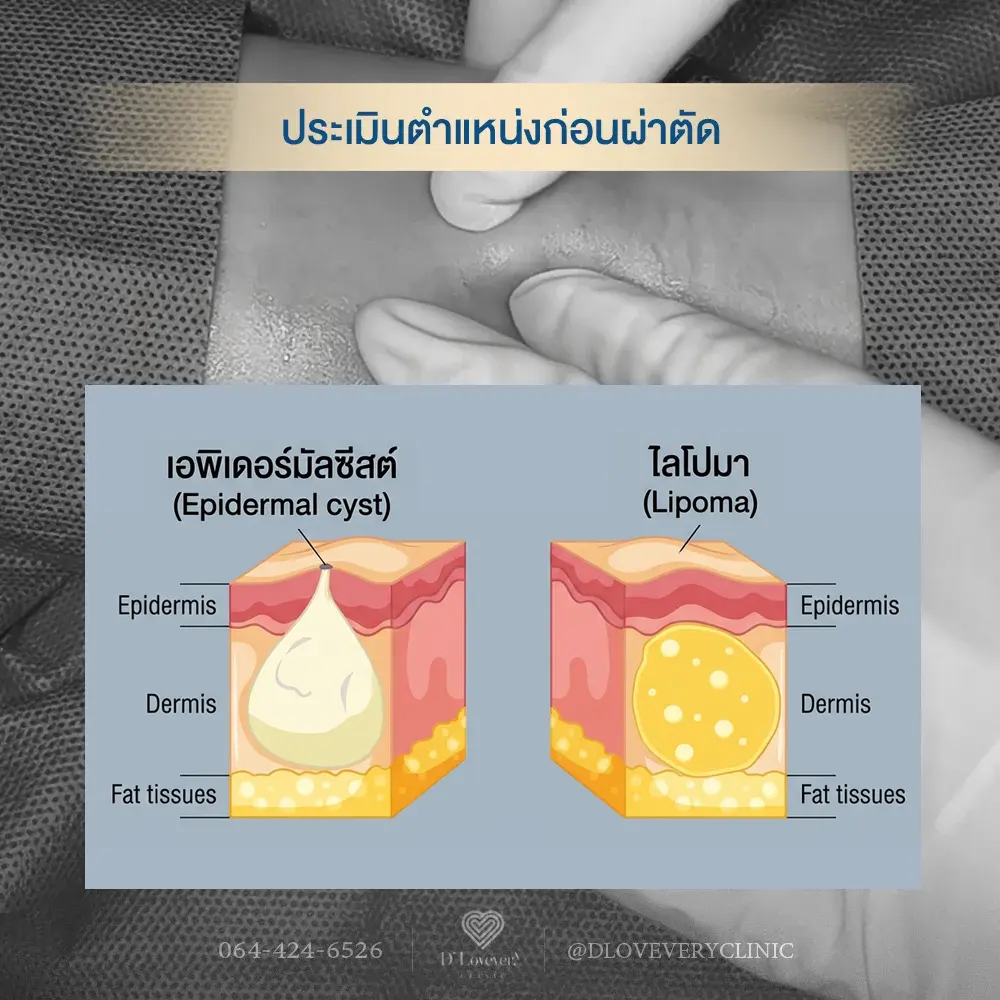
Symptoms of a benign (non-cancerous) tumor.
- A lump was found under the skin.
- Soft, movable mass.
- It doesn't hurt.
- Growing slowly
Check for benign (non-cancerous) tumors: signs to watch out for.
| Nature | Common benign (non-cancerous) tumors | Benign (lipid) tumors that should be watched out for. |
|---|---|---|
| Softness | soft | Hard or uneven. |
| Movement | Easy to move. | Difficult to move or attached to tissue. |
| Pain | It doesn't hurt. | Painful or tender to the touch. |
| growth | Growing slowly | Fast growing |
| External appearance | Normal smooth skin | The skin changes color or becomes inflamed. |
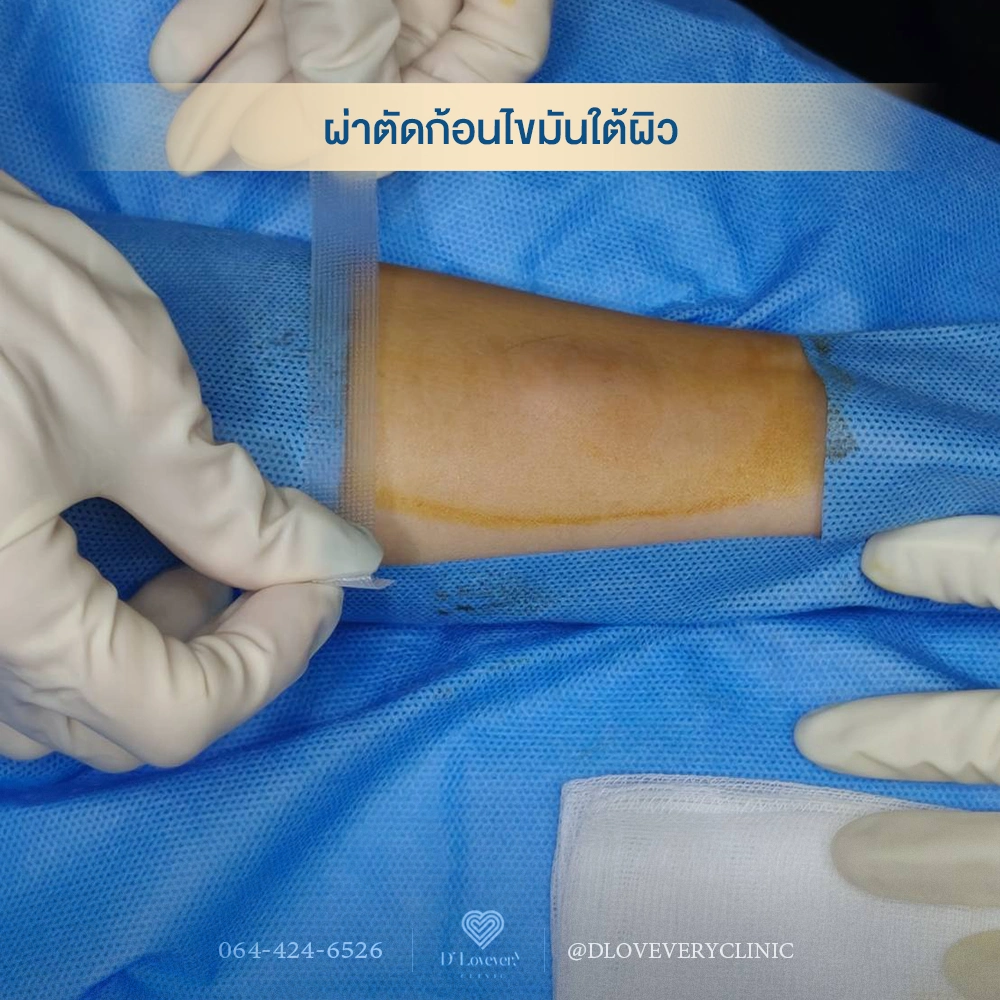
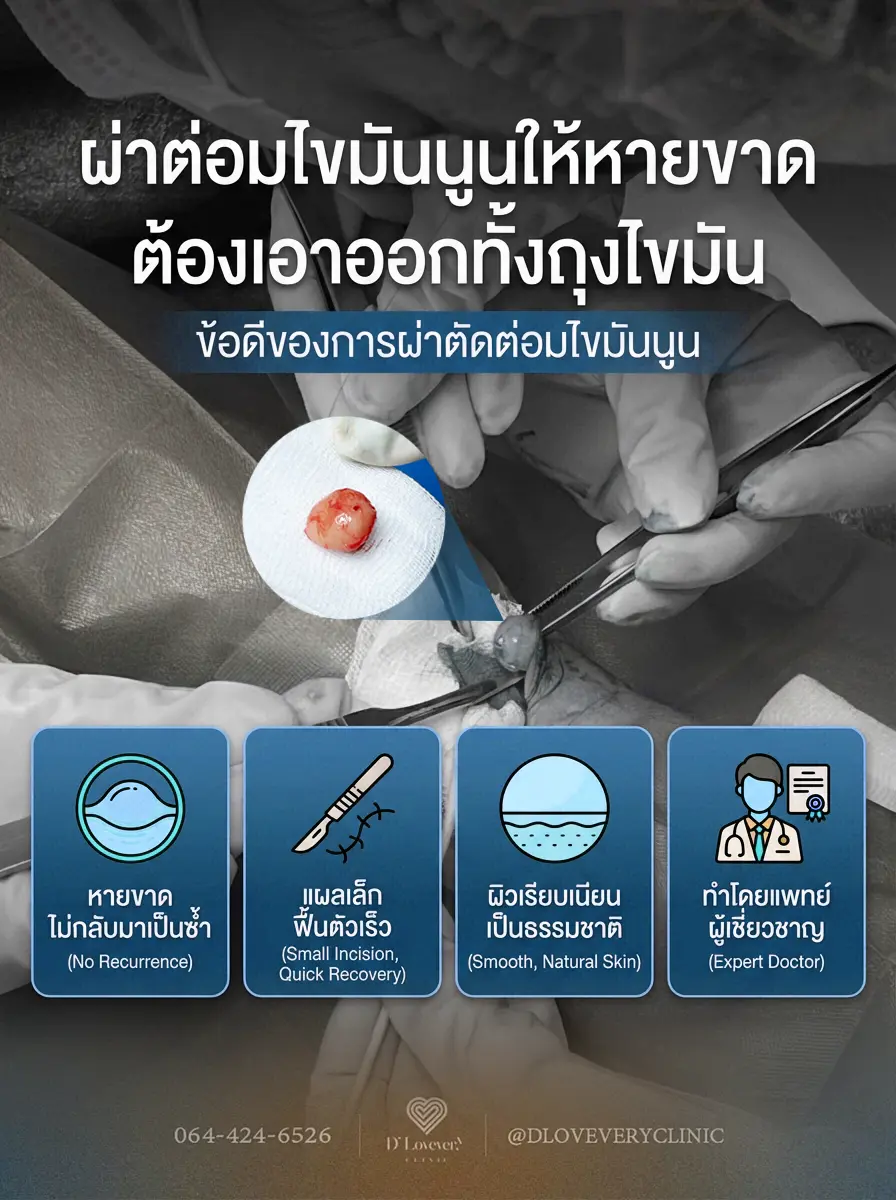
The procedure for surgically removing cysts or benign tumors.
- Consultation and preparation: Meet with your doctor to discuss the details of the surgery. Ask as many questions as you like. The nurse will provide instructions on preparing for the surgery day.
- Anesthesia: Prior to surgery, a local anesthetic will be administered to numb the area to be operated on, so that the patient will not feel pain.
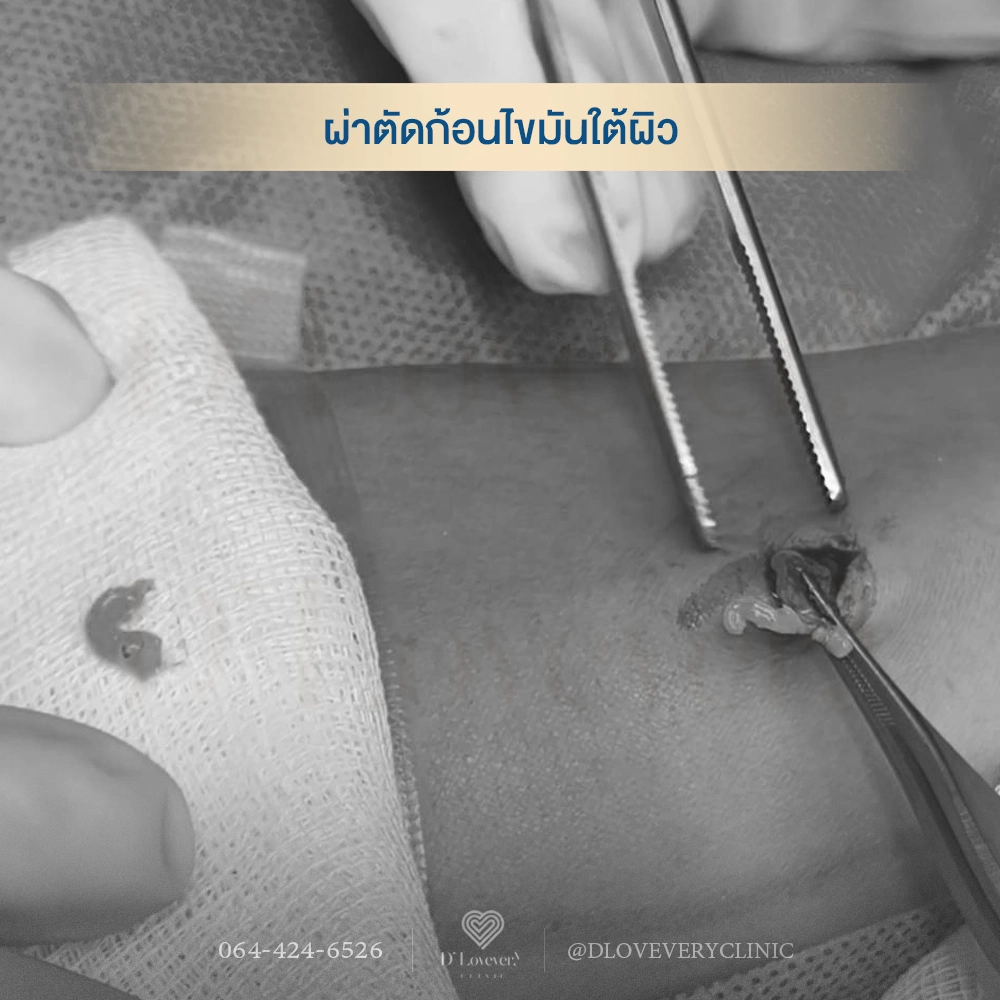
- Surgery: The doctor will surgically remove the cyst or benign (non-cancerous) tumor using clean, sterile instruments. This procedure usually doesn't take long, depending on the size and location of the lump.
- Suturing: After the mass is removed, the doctor will carefully suture the wound closed.
- Post-operative care: The nurse will instruct you on proper wound care and prescribe pain medication (if necessary) to relieve post-operative discomfort.
| point | Description |
|---|---|
| Types of surgery | Minor Surgery |
| The horror | It's not scary. The doctor and assistants perform the surgery while communicating with the patient throughout the procedure. |
| Location of surgery | A qualified clinic or a hospital. |
| Safety | Safe if performed by a qualified doctor. |
| Anesthesia | Local anesthesia does not require general anesthesia or the use of an anesthesiologist. |
| Duration of surgery | Generally, it's short, 20-30 minutes, depending on the size and difficulty. |
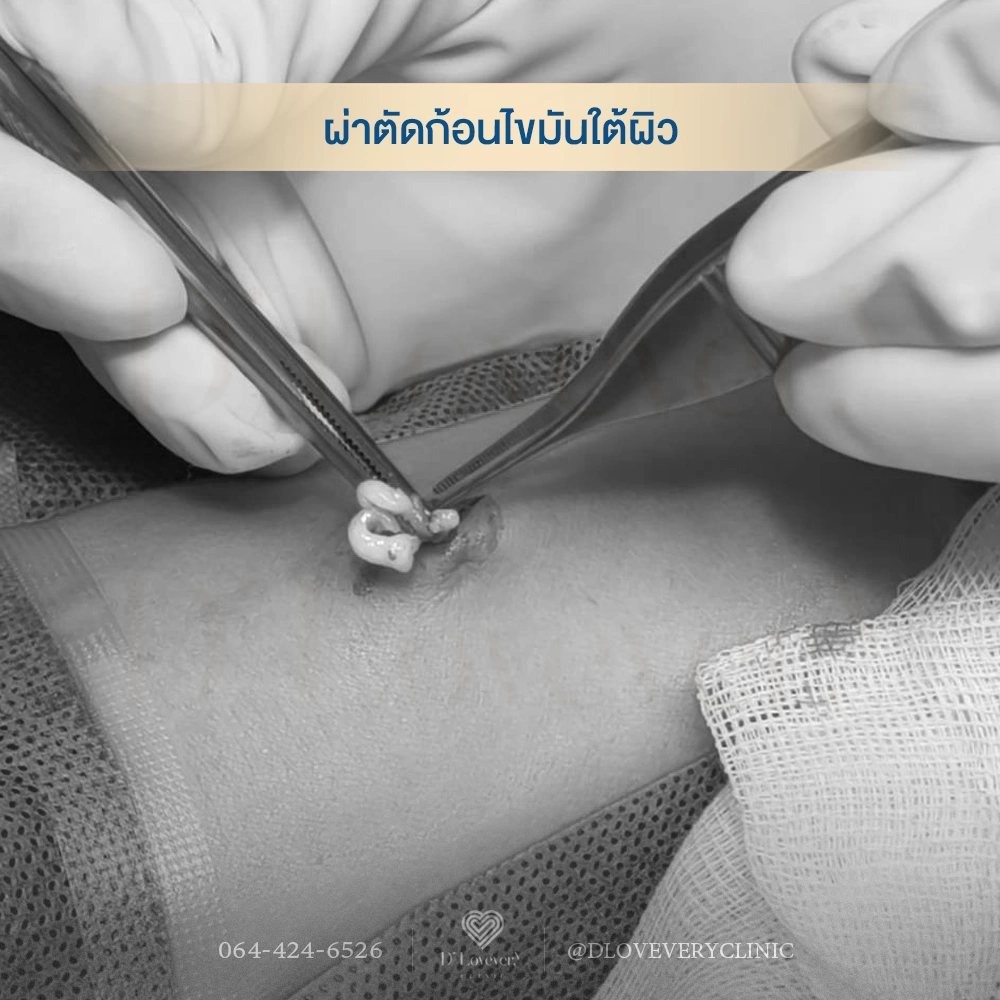
Pre-operative preparation
- Consult your doctor about any medications you take regularly.
- Please provide any information about your drug allergies.
- Avoid taking aspirin or any medications that affect blood clotting before surgery (as advised by your doctor).
- Refrain from smoking and drinking alcohol before surgery (as advised by your doctor).
- Clean the area to be operated on.
Post-operative care
- Care for the wound as directed by your doctor.
- Take your medication as prescribed by your doctor.
- Avoid disturbing the wound or getting it wet.
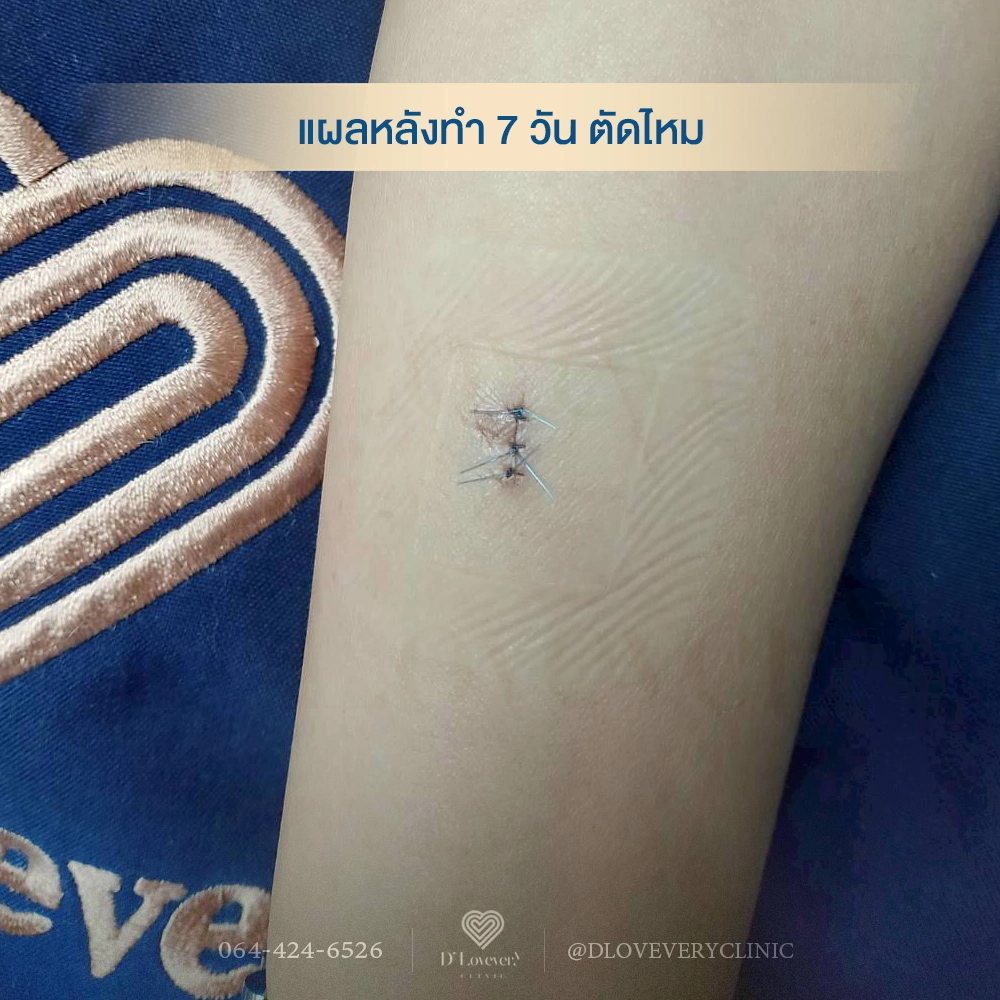
- Come to your scheduled appointment with the doctor for follow-up and suture removal.
Things to know about cysts and lipomas (beneficial tumors).
| Things you should know | The description |
|---|---|
| Are cysts and benign (non-cancerous) tumors dangerous? | Most cases are harmless, but you should monitor for symptoms. If you notice any changes, such as rapid size increase, pain, or inflammation, consult a doctor. |
| Can cysts and benign (non-cancerous) disappear on their own? | Small cysts may disappear on their own, but benign (non-cancerous) tumors usually do not. If you want them removed, you must consult a doctor for surgical removal. |
| Is surgery to remove cysts and benign (non-cancerous) tumors painful? | Generally, surgery is performed under local anesthesia, so you won't feel any pain during the procedure. You may experience some minor soreness afterward, which can be relieved with pain medication. |
| How should I care for my wound after surgery? | Wound care should be done according to the doctor's instructions. Clean the wound regularly and avoid any trauma to the wound. |
| Can it prevent the formation of cysts and benign (non-cancerous) tumors? | While complete prevention is impossible, maintaining good skin hygiene and avoiding injuries can help reduce the risk. |
| What are the signs that a cyst or benign tumor might be dangerous? | Signs to watch out for include a lump that is growing rapidly, is painful, feels hard, or is inflamed, swollen, red, or draining pus. |
| What causes benign (non-cancerous) tumors? | The exact cause is unknown in most cases, but it may be related to genetics. |
| What causes cysts? | It is often caused by clogged sebaceous glands or skin injury. |
| What should you do if you feel a lump under your skin? | Don't panic. Observe the symptoms. If the lump looks suspicious or causes you concern, consult a doctor for diagnosis. |
When should you see a doctor?
Although most cysts and benign (non-cancerous) tumors are harmless, you should see a doctor for diagnosis if you experience the following symptoms.
- The lump grew larger rapidly.
- The lump is painful.
- The lump is hard.
- The lump is inflamed, swollen, red, or draining pus.
- The lump is causing concern.
Protection
While it's not possible to completely prevent cysts and benign (sebaceous) tumors, maintaining good skin hygiene, avoiding injury, and using gentle skin products can help reduce the risk.
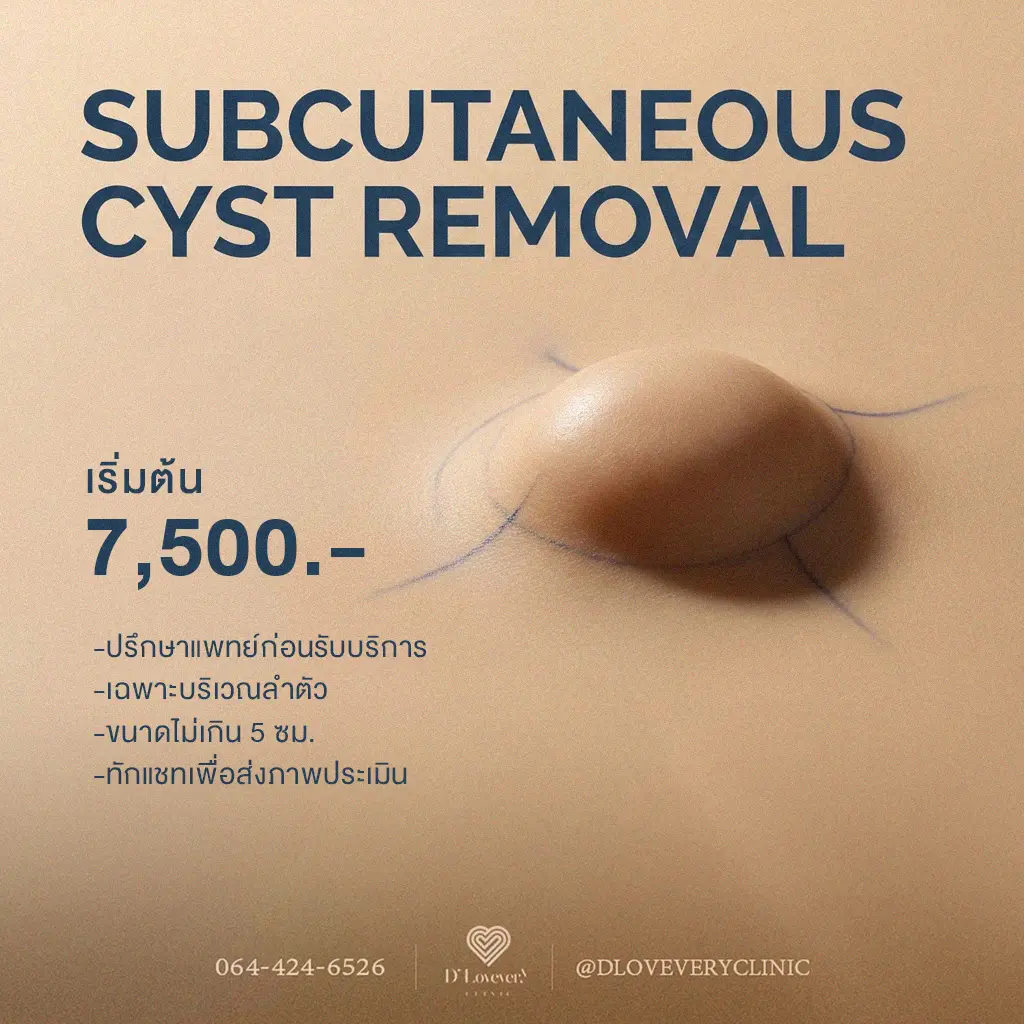
How much does it cost to remove a sebaceous gland or cyst?
- Starting at 7,500 baht
- If there are multiple locations, you can send photos for a price estimate via the clinic's LINE account.
Why choose D' Lovevery Clinic?
| Minimum Requitrement | D' Lovevery Clinic | hospital |
|---|---|---|
| Convenience | ⭐⭐⭐⭐⭐ | ⭐⭐ |
| Waiting time | fast | Longer than |
| Complexity of pre- and post-service procedures. | Hassle-free | Multiple steps |
| Privacy | สูง | less |
| Personalized Care | ⭐⭐⭐⭐⭐ | ⭐⭐⭐ |
| Appointment Flexibility | สูง | less |
- Detailed analysis and surgery on a case-by-case basis.
The doctor will provide a detailed consultation and assessment of the tumor, taking a leisurely approach, in order to plan a surgery that leaves a small incision and minimizes pain. - Focused treatment, no pressure to buy courses.
The focus is primarily on treating illnesses and symptoms. You can rest assured that there are no salespeople pressuring you to buy unnecessary additional services. The atmosphere is friendly. - Medical expenses can be paid in installments, making it affordable.
We offer flexible payment options, including deposit, remaining balance payable on the day of service, or 0% installment plans via credit card and Shopee PayLater. - Continue to care for the wound until it heals.
Follow up on your treatment and check your surgical wound with the same doctor who performed the treatment to ensure continuity and maximum confidence. - Real wound reviews from real patients.
This collection includes real case reviews showcasing post-surgery results, not just celebrity or influencer photos. You can be confident in the skill and neatness of the incisions. - I have confidence in the skills of highly experienced doctors.
The surgery is performed by a licensed surgeon specializing in minor surgery, ensuring complete removal of the cyst and minimizing the chance of recurrence. - The clinic is clean, sterile, and meets standards.
The equipment is sterilized to standard, it's easily accessible, and there's ample parking. - Transparent; prices and medications are verifiable.
We provide a price estimate before starting the work; no hidden fees will be added on-site. All medications and medical supplies used are FDA-approved and verifiable.

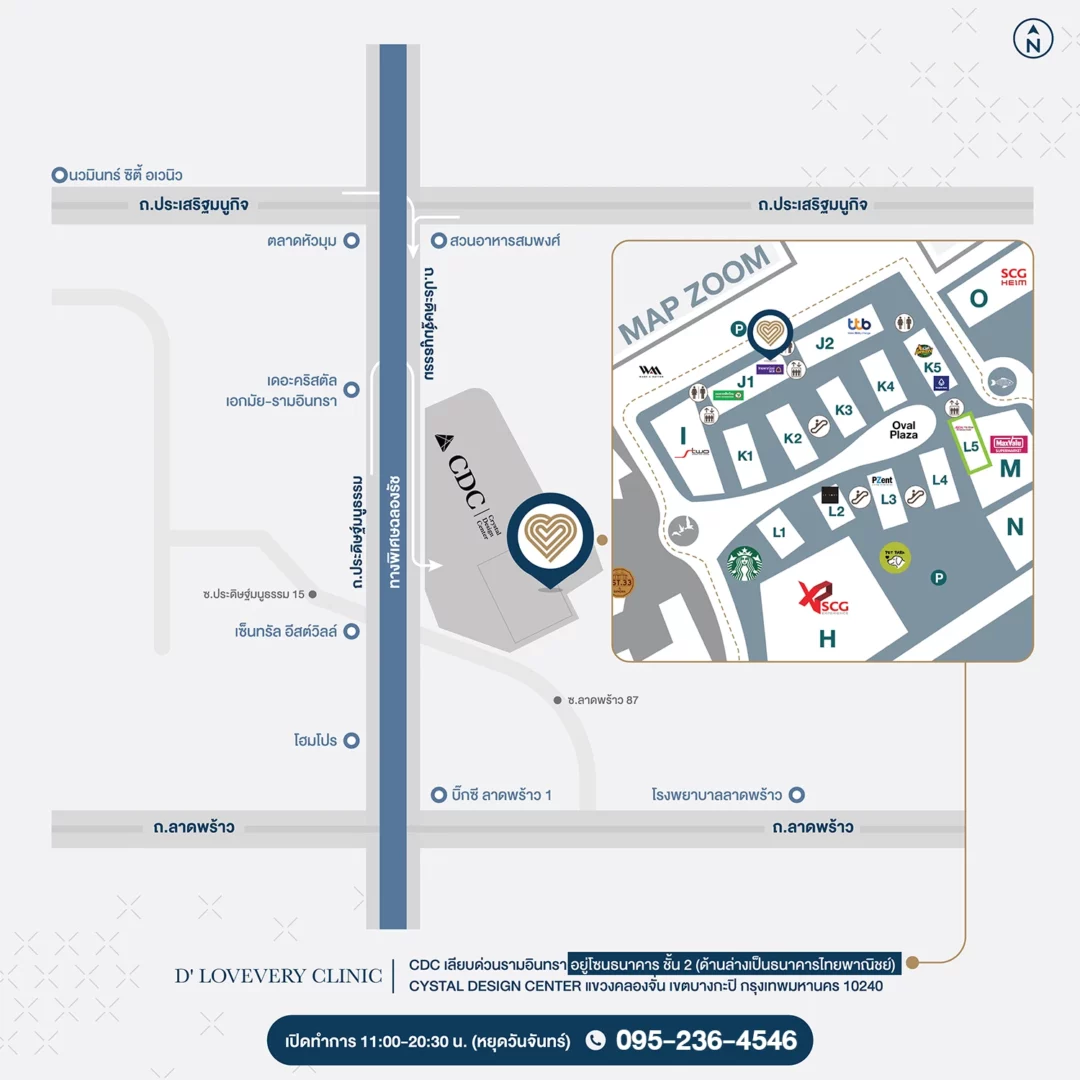
- Paseo Town Ramkhamhaeng Branch Call 064-424-6526
- Crystal Design Center (CDC) branch Call 095-236-4546

You didn't think it would be a problem, right? It's just shrimp marinated in fish sauce, a popular dish that many people order when they're chilling out.
After facial surgery or injections. You should refrain from eating shrimp marinated in fish sauce and all other raw foods for about 2-4 weeks. Yes, because raw meat is at risk of contamination. Remember that fish sauce and lemon juice cannot kill dangerous bacteria like Vibrio. If consumed when the body has wounds, it may increase the risk of inflammation and severe bloodstream infection. Furthermore... Spicy salad dressings are also very high in sodium, which draws water into the body, causing swelling, delaying the healing of surgical wounds or fillers, and making it harder for them to recover. Okay, just bear with it a little longer. Wait until the wound has completely healed before you go back to enjoying all the delicious food. That way, your beauty will be perfect and you'll be safe!
Good news! These types of skin tags don't require surgery. The solution is... CO2 Laser It is highly accurate and there is a good chance the skin will return to a smooth state. 95-98% It only takes a short time to make. 5-10 minutes Connect to a single point only.
The starting service fee is 2,500 baht per spot, plus 200 baht for topical medication.
A polyp with a large head but a small stalk is called... Acrochordon หรือ Pedunculated Skin Tag which is Benign tumor (non-cancerous) Yes, the main cause is... Skin friction Or it could be genetic. Although not dangerous, if left untreated, it could get caught in clothing and become inflamed. The standard and safest treatment is... CO2 Laser Treatment To remove skin tags for a smoother complexion. Leaves no unsightly scars. And you should not attempt to remove it yourself by any means. Even though the stalk is small, it can easily break or detach. It requires a proper, sterile method. Also, it has many blood vessels supplying it; improper methods can be painful, cause slow bleeding, and lead to numerous other complications.
Treatment by incision and drainage alone has a high chance of recurrence. 80% While total excision of the cyst has a lower recurrence rate.
Therefore, in every case, the doctor has to perform surgery to remove the sac. Will surgery to remove sebaceous glands in the legs provide a permanent cure? It depends on whether the capsule is completely removed. Yes, if the bag isn't completely removed, there's a chance... There is a high chance of recurrence at the same point. It's like a balloon being filled with new water, but if the doctor uses a different method... A minor surgery to remove all of the cysts. This will help to permanently reduce the chances of recurrence.
There are three main ways to diagnose malignant hyperthermia (MH):
- Family history taking It is crucial to thoroughly check whether any direct relatives have experienced serious complications or died while under anesthesia, as this is the most important initial screening method.
- Genetic testing By taking a blood sample to detect abnormalities in inherited genes, and...
- Muscle biopsy (CHCT) This is the international standard (gold standard) and the most accurate method, involving surgically taking a tissue sample from the thigh and testing its reaction to anesthesia in a specialized laboratory.
Therefore, if your last name is on the 32-risk list or you have a suspicious family history, you should consult an anesthesiologist to prepare and plan for the safe use of anesthesia before any surgery.
Brown spots on the stomach and around the waist are most often... Seborrheic keratosis This is caused by genetics and increasing skin aging. They are usually harmless and do not become cancerous. Yes, the population aged 50 and above is larger. 80-90% will start to develop skin tags (Seborrheic Keratosis). At least one spot on the body, and the number increases with age.
Observable characteristics The surface will look It's slightly rough, as if someone had stuck modeling clay on it. Or some spots may appear smooth, ranging from light to dark brown. There's no need to remove them as they're under clothing, but if you're really concerned, you can consult a doctor. Removal is usually done using a laser. CO2 Laser Yes
Fatty lumps larger than 5 centimeters are classified as requiring monitoring, also known as... Giant Lipoma Although most of it is benign, its large size could affect the nerves, causing pain, numbness, or muscle compression. Doctors recommend surgery. Surgical excision More than just liposuction, because it's the only method that can completely remove the fat sacs. Helps reduce the chances of recurrence. And most importantly, the tissue sample can be examined histopathologically to confirm its safety 100%.
The doctor recommends having the surgery at a reputable hospital near your home. However, if it's smaller, minor surgery can be done at a clinic. Please send photos for evaluation first.
The use of ultrasound can differentiate... Cysts and fat deposits can be detected with over 85–95% accuracy. In the general form of a lump under the skin.
What can a doctor see during a visual and manual examination?
Looking at and palpating lumps is... The first and most important step. Yes, the doctor will be able to assess that.
- lump How shallow or clearly does it protrude?
- Is it soft or hard? Is it movable?
- มี Pain, redness, heat. Or not?
However, this type of test has limitations because doctors... You can't actually see the internal structure. Yes
Ultrasound allows you to "see through the skin."
Ultrasound uses high-frequency sound waves to create images. Real-time data both within and beneath the skin.
This provides much more detailed information than palpation in many areas. Of course, it also comes with a higher cost.
Or, if you've had a checkup and it's found to be a common fatty lump and you'd like it surgically removed, our clinic also offers this service. Send us pictures of your test results or the problem for evaluation, and we can schedule an appointment.
The aesthetic appearance of the scar after suture removal depends on the balance between... This is the suturing technique used by the surgeon. Which requires reducing the surface tension to an appropriate level, combined with... Precise suture removal timing. To prevent the sutures from sinking in and leaving marks like railroad tracks, the ultimate deciding factor lies with the patient themselves, including... Genetics (e.g., history of keloids) And discipline in Post-surgical wound care For example, not cleaning the wound, allowing dried blood clots to remain (these two are the most common), avoiding strenuous movement in areas with high tension, and preventing infection are key to a smooth and beautiful wound healing process. To put it simply, the doctor accounts for 50% of the success; the patient must also contribute 50%. Suture removal can also be affected if the medical facility lacks experienced staff. "Pull the dirty suture thread and pass it under the skin." Re-inserting or pulling the sutures out means we're introducing germs into healing tissue, potentially causing reinfection, inflammation, or pus formation. This small detail directly affects the wound after suture removal.
Therefore, our clinic prioritizes this by having the doctor remove the sutures themselves, carefully assessing each case, and taking a thorough patient history to ensure accuracy and appropriateness before removing the sutures.