
Abdominal fat VS Subcutaneous fat
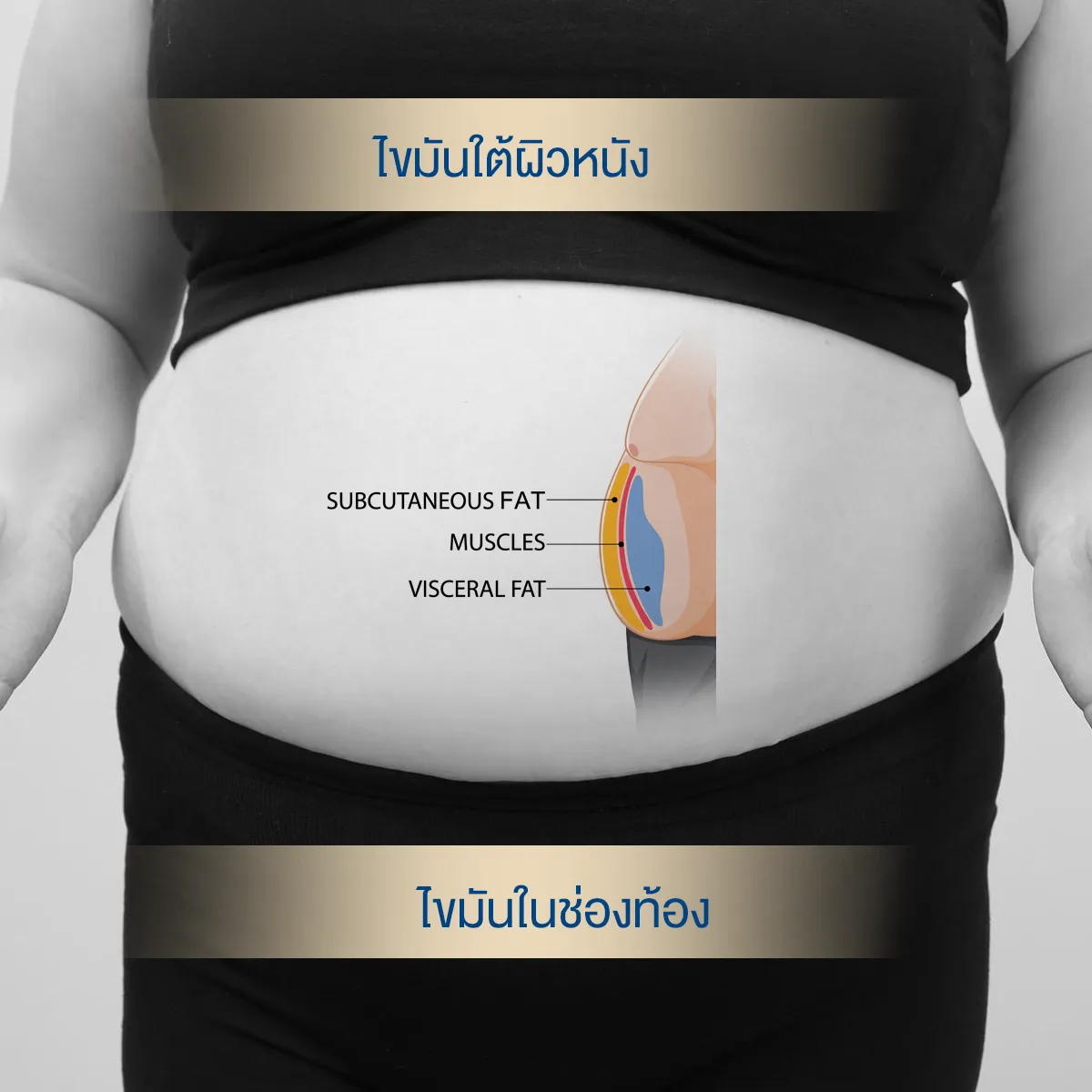
| หัวข้อ | Visceral fat | Subcutaneous fat |
|---|---|---|
| source | – Eating habits involving foods high in fat and sugar. - stress – Drinking alcohol – Not exercising. | – Excessive energy intake. – Genetics – Hormones (often found in higher concentrations in the hips/thighs in women) |
| Danger/Consequences | – Risk of diabetes - Cardiovascular diseases – High blood pressure | – Lower risk of chronic conditions compared to visceral cancer. – It mostly affects body shape/self-confidence. |
| How to reduce fat | – Aerobic exercise - Control your diet and reduce calories. – Reduce refined carbohydrates/sugar. – Reduce alcohol consumption. | – Maintain consistent calorie intake. – Combining weight training and aerobics. – Reduce consumption of sweet, fatty, and fried foods. |
| See More | – Harvard TH Chan, 2021 – Ross et al., Annals of Internal Medicine 2015 | – Fitzpatrick SL et al., Current Obesity Reports 2019 – Research on weight training and subcutaneous fat. |
Weight loss pens are usually effective against which type of accumulated fat?
Weight loss pens (e.g., GLP-1 agonist injectable drugs: Liraglutide, Semaglutide) It will be effective against visceral fat. More so than subcutaneous fat, as many studies have found that weight loss with this class of drugs often significantly reduces visceral fat, positively impacting overall health such as reducing the risk of diabetes, heart disease, and fatty liver disease.
However, while subcutaneous fat may decrease somewhat, the proportion of visceral fat that is reduced is greater. Therefore, if you are concerned about visceral fat or underlying health conditions, using a weight-loss pen in conjunction with lifestyle changes will yield the most significant health benefits.