


How does DNA testing differ from epigenetic testing?
Although both DNA and epigenetic testing primarily rely on genetic information, the "what is measured" and the "benefits" differ significantly. Understanding these differences will help clinics choose the type of testing that best suits the expectations and goals of their patients.
DNA Testing – An Unchangeable Health Blueprint
DNA testing examines the genetic structure we are born with, which is used to identify genetic risks such as diabetes, cancer, hypertension, or allergies. This information helps in planning long-term health, such as making dietary choices, exercising, or planning long-term self-care. This genetic blueprint will not change throughout life, making it ideal for those who want to understand their "health foundation" to plan their life in line with their genes.
Epigenetic Testing – Reflects your current, adjustable health status.
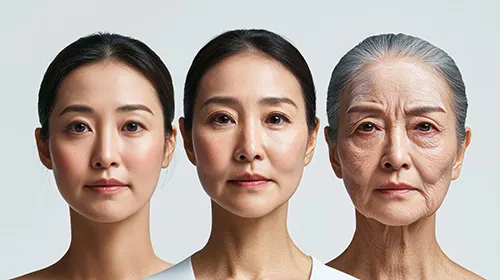
Epigenetic testing examines DNA methylation patterns, which affect gene expression and can change with age, lifestyle, diet, sleep, and stress. The results help analyze biological age, aging rate, and the health of various organs. It's ideal for monitoring the effectiveness of lifestyle changes, such as health programs or biological aging reduction, as results can change within a few months. This is perfect for those seeking to "reverse aging" or systematically improve their health with measurable results.
![[Review of Dry Skin Rejuvenation] Why doctors recommend D' Aura Plus treatment: Everyone who tries it is impressed. 1,200 baht is worth it.](https://dloveveryclinic.com/storage/2025/11/case-102-aura-plus-cover.webp)
![[Review of a great promotion near Ramkhamhaeng Expressway] Botox for jaw reduction + face lifting + cheek fat reduction at D'lovevery Clinic CDC.](https://dloveveryclinic.com/storage/2025/09/case110-1-cover.webp)
![[Lip Filler Review] Near Ramintra Expressway - Fuller, More Defined Lips at D' Lovevery Clinic](https://dloveveryclinic.com/storage/2025/08/case-108-lips-filler-before-after.webp)