

Natural beauty = The right doctor + The right type of filler + The right amount.
Ladies, if you're worried about problems with your fillers after getting them done elsewhere—whether it's lumps, misshapen, unnatural-looking, or a lack of confidence—we understand your anxieties perfectly. Because "Every problem has a solution. You just have to be brave enough to find it." Consulting a specialist doctor is the best solution to help you regain your beauty and confidence.

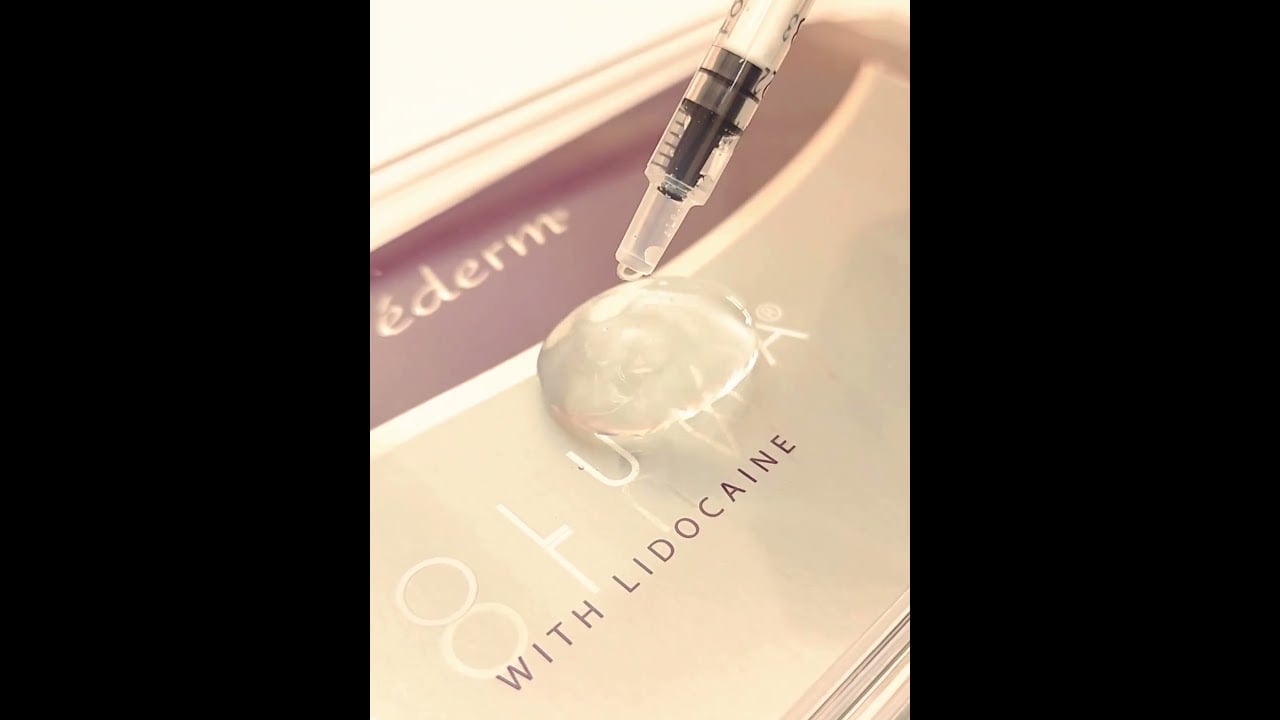
Video review of filler dissolution.


Filler problems can be solved through both dissolving injections and scraping.
When problems arise from filler injections, there are two main methods to resolve them: "filler dissolving injection" and "filler removal," each with different indications and procedures.
- What is filler dissolution injection, and who is it suitable for?
Filler dissolution injections use the enzyme hyaluronidase (HYAL) to break down hyaluronic acid (HA) fillers injected into the body. The enzyme reduces water and fat retention and disrupts the filler's adhesion, causing the filler molecules to break down into water and other substances that the body can safely absorb and eliminate.
This method is suitable for those with filler lumps, unnatural results, those wanting to correct facial features, or those experiencing allergic reactions to genuine fillers such as swelling, redness, and itching. - What is filler removal? When is the best time to do it?
Filler removal is a medical procedure aimed at physically removing fillers from under the skin. It's usually performed when fillers cause problems such as lumps, sagging, inflammation, or infection, or when enzymatic dissolution isn't possible, such as with counterfeit fillers (liquid silicone, paraffin) that the enzyme hyaluronidase cannot break down.
Review of filler dissolution injections.


What are the differences between real and fake fillers, and how can I fix the problem?
Understanding the type of filler being injected is crucial for choosing the appropriate solution.
- Genuine fillers (Hyaluronic Acid) are biodegradable and can be completely dissolved with an injection.
Genuine hyaluronic acid fillers are naturally biodegradable, with the time taking vary depending on the type and brand of filler. For faster dissolution, they can be injected with the enzyme Hyaluronidase, which completely breaks down 100% of the filler and provides quick results. - Beware of fake fillers (liquid silicone, paraffin). They cannot be broken down by enzymes and must be scraped out.
Semi-permanent and permanent fillers, such as liquid silicone or paraffin, are not naturally biodegradable or do not respond to the enzyme hyaluronic acid. If these substances are injected and problems occur, correction usually requires scraping or surgery, and even then, complete removal may not be possible as some may have integrated with internal tissues.

What are some signs that indicate we need to get our fillers corrected?
There are several reasons to consider correcting fillers, which can be categorized as follows:
- What types of symptoms require scraping or injecting fillers to dissolve them?
- Swelling, redness, inflammation, or infection. If the area where filler was injected becomes swollen, red, hot, or infected, it may be due to an allergic reaction to the filler or the filler being of substandard quality.
- Fillers can be hard lumps or not dissolve. If filler clumps together, becomes hard, cannot be smoothed by massage, or sags abnormally, it's a sign that the filler hasn't dissolved naturally or that it's fake.
- Filler migrated to the wrong location. It can cause facial deformities or asymmetry.
- The filler injected was substandard or fake. Even if you don't experience severe symptoms after receiving a fake filler (such as liquid silicone), you should consider corrective action because it can lead to further problems and become more difficult to treat if left untreated.
- The dangers you need to know about fake and substandard fillers.
Injecting counterfeit fillers can have serious consequences for the body, including infections, severe inflammation, severe allergic reactions (anaphylactic shock), blood vessel blockage, scarring, lumps, tissue necrosis, or fibrosis. If there are no symptoms in the early stages, it can be even more dangerous because counterfeit fillers can damage facial structure, cause tumors or foreign growths, and lead to severe infections in the long term. - Why do my fillers end up lumpy or unsightly?
Problems with fillers becoming lumpy or unsightly can stem from various causes.- The doctor lacks experience. Incorrect injection techniques, such as injecting too shallowly in individuals with thin skin, can result in visible filler lumps.
- Choosing the wrong type of filler. Injecting firm fillers into superficial skin areas or areas that move frequently, such as under the eyes or on the lips, may cause lumps to form.
- Using too much filler. Using excessive amounts of filler in a small area can lead to lumps or an unnatural, swollen appearance.


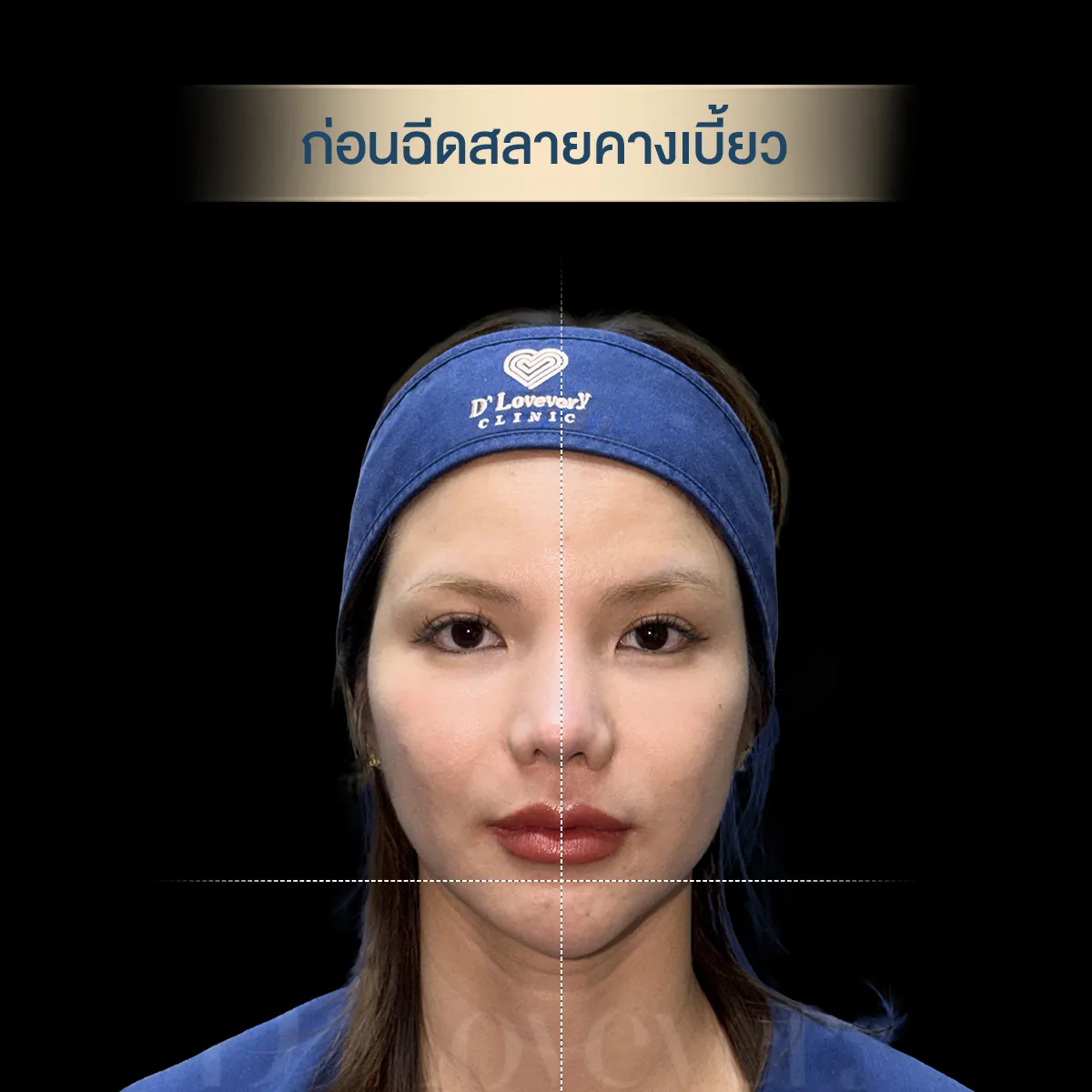
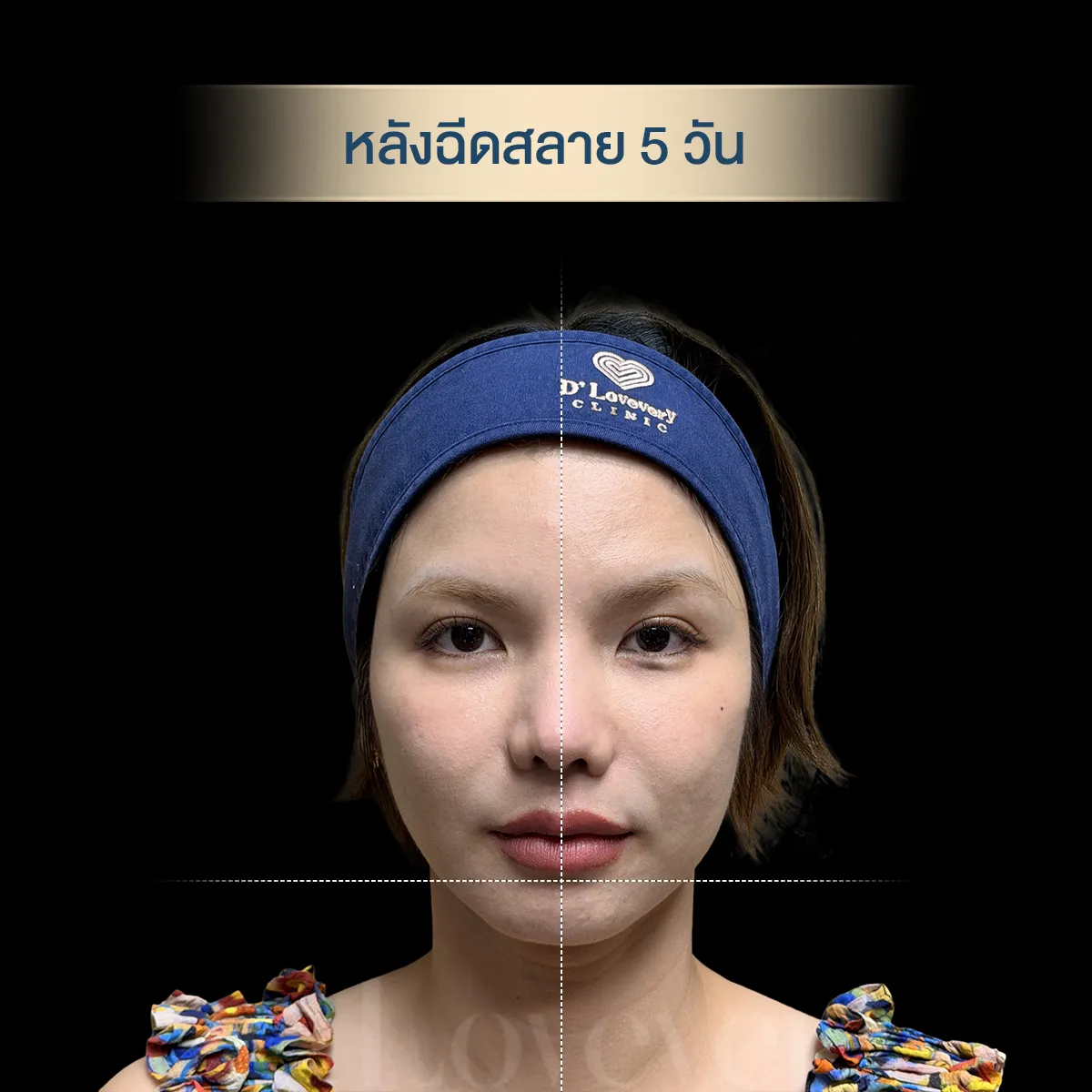
What are some areas that require frequent dissolving injections?
Fillers can be dissolved or scraped out at any point if they are genuine HA (hyaluronic acid) fillers, especially in areas of the face where problems often occur, affecting self-confidence.
- Chin fillers can correct crooked or misshapen chins.
If chin filler is lumpy, hard, or misshapen, causing a crooked, unnatural-looking chin, and cannot be dissolved, it may need to be scraped out. - What should I do if my nasal filler has shifted and become lumpy?
Nasal fillers that have been injected incorrectly or have shifted and formed lumps may need to be scraped out before other methods of correction can be used. - Problems with lip fillers: swollen, asymmetrical.
If lip fillers are too large, asymmetrical, or lumpy, they can be dissolved to correct the shape. - How can I fix lumpy, bumpy, uneven under-eye fillers to achieve a beautiful result?
This is the area where filler lumps, nodules, or raised bumps are most commonly found. This may be due to substandard fillers or incorrect injection techniques. Dissolving under-eye fillers with Hyaluronidase enzyme is the simplest and most effective solution. - Fillers for nasolabial folds, temples, and forehead are available if there are any problems that need correction.
If lumps or unnatural-looking results occur, they can be scraped out or dissolved in the nasolabial folds. Scraping or dissolving fillers in the temple and forehead areas is done in cases of lumps, hardening, or counterfeit fillers that cannot be dissolved naturally. The forehead, in particular, requires extreme caution due to the presence of many important blood vessels and nerves. - Orange cheeks and dolly eyes—if they don't look natural, they can be corrected.
Although not a medical term, filler injections in the cheekbone area (or "dolly eyes") that result in lumps or an unnatural look are often similar to problems with under-eye fillers or nasolabial folds. These can be corrected by dissolving or removing the filler, depending on the type of filler and the severity of the condition.
pie
    title จุดสลายฟิลเลอร์ยอดนิยม
    "ติ่งปากบน" : 45
    "ใต้ตา" : 35
    "ร่องแก้ม" : 30
อ้างอิงข้อมูลคนไข้D' Lovevery Clinic ตั้งแต่ปี 2022-2025Why are these three locations the most frequently targeted for dissolving injections?
These three points are: Upper lip crease, under-eye area, and nasolabial folds. This is the area where our clinic most often receives cases for filler removal/correction from other clinics, mainly for the following reasons:
- Cupid's Bow/Lip Border:
- The desire for clear yet natural shapes: Patients typically want their lips to appear fuller with a clearly defined cupid's bow, while still maintaining a natural look.
- The injection error is evident: If too much is injected, the result is unbalanced, or the technique is poor, it can make the lips look stiff, unnatural, or what is known as "duck lips," which are very easy to notice.
- Mobile fillers: If injected into the wrong layer, the filler may migrate to the area above the upper lip, creating the appearance of a "mustache" or making the lip creases appear shallower and less aesthetically pleasing.
- Under-eye area (Tear Trough/Undereye):
- Skin sensitivity: The skin under the eyes is very thin and delicate, requiring fillers with specific properties and meticulous injection techniques.
- High chance of side effects: If injected into the wrong layer, in excessive amounts, or with unsuitable fillers, it can easily lead to the Tyndall Effect (filler appearing blue/green), lingering swelling, lumps, or an unnatural appearance.
- Requires high expertise: Under-eye injections are one of the most challenging procedures, requiring a high level of anatomical understanding and experience from the physician to achieve smooth and natural-looking results.
- Nasolabial Folds:
- Injections that cause swelling: If too much filler is injected, or if it's injected too superficially, the nasolabial folds may appear puffy, swollen, and unnatural, especially when making facial expressions.
- The desire for natural results: The patient wanted her nasolabial folds to appear shallower but still natural, not to the point where they disappeared completely and the face looked flat or stiff.
- Fillers may clump together: In some cases, the injected filler may clump together, resulting in unevenness or prominent lines in the nasolabial folds (smile lines).
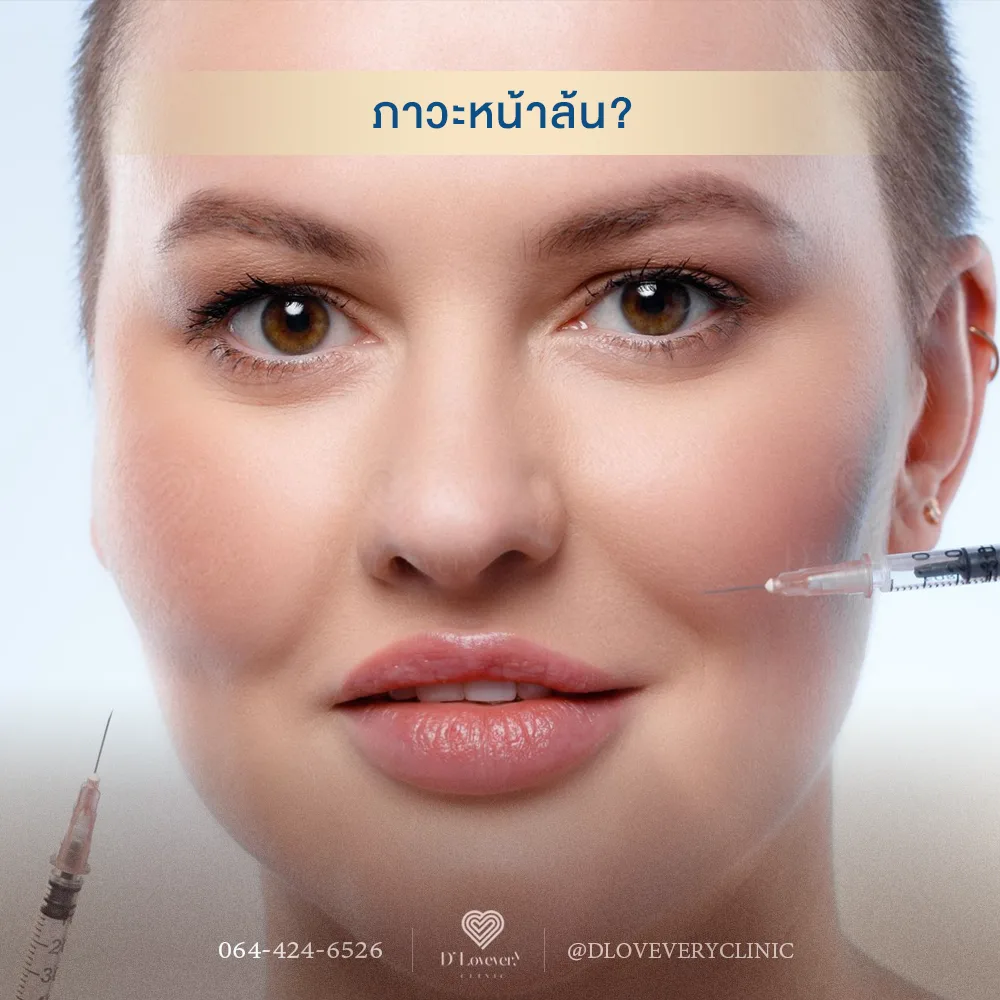
Comparison table of the consequences of leaving fillers and foreign substances in the body.
| case | Authentic filler (Hyaluronic Acid – HA) | Fake liquid substances/fillers (liquid silicone, paraffin) |
|---|---|---|
| As time passed | 100% naturally biodegradable within 1-2 years, leaving no residue. | It doesn't break down; it remains in the body for life. |
| Effects on the skin | A slight sagging may occur due to gravity as it nears complete disintegration, but this will not damage the original tissue. | – It can drip to other areas, distorting the facial shape. – Forms hard lumps and has a rough texture. – Scar tissue forms, causing tissue deformation. |
| inflammation | The chance of inflammation is very low if the injection is administered by a specialist using standardized products. | – Chronic inflammation can occur at any time. – It may become severely infected and develop pus. – The skin at the injection site changes color (red, dark). |
| Treatment/Correction | It can be broken down with the enzyme Hyaluronidase. Results are visible within 24-72 hours, and new filler injections can be administered immediately. | It cannot be dissolved by injection. Treatment is limited to... Surgical curettage: Which cannot be completely removed and risks damaging normal tissue. Using lasers: To break down some of the components and reduce inflammation. Steroid injections: To control inflammation. |
| Long-term risks | Highly safe, with no long-term risks once it has completely decomposed. | – Increases the risk of developing malignant tumors or cancer in the future. – Permanent facial disfigurement. – Chronic inflammation that is difficult to control. |
What is "lost" when correcting botched fillers.
| Types of loss | Things to face |
|---|---|
| 1. Confidence | – I'm worried about my facial features being misshapen or unnatural. – They avoid eye contact with people, dislike having their pictures taken, or looking in the mirror. – This leads to accumulated stress and distress. |
| 2. Time | – Time spent searching for information and clinics to resolve the issue. - Time that needs to be taken off from work to see a doctor and receive treatment. – Recovery time and waiting period for tissue regeneration (may take months/years). |
| 3. Money | – Unplanned expenses such as blood thinning injections or laser treatments. – Significantly higher costs if surgical removal is required. – Cost of treating complications (inflammation, infection) – Cost of filler for subsequent corrective injections. |
| 4. Opportunity | – Missed out on important opportunities in both personal and professional life. – Socializing and building relationships with others has become difficult. – Losing the simple joys of everyday life. |
| 5. Body Tissue (Healthy Tissue) | – (In severe cases/liquid substance) there is a risk of permanent loss of normal tissue from surgical removal. – Scarring may occur, or the skin in the treated area may not be as smooth as before. |
The procedure for correcting fillers: preparation and post-procedure self-care.
Whether it's dissolving or scraping out fillers, the procedure should be performed by a qualified doctor and carefully planned.
- Before having filler dissolved or removed, what should you know and prepare for?
- Assess the problem. The doctor will carefully examine the area where the filler was injected and plan a treatment to address the specific problem.
- Original filler information. You should tell your doctor as much as possible about any fillers you've previously had injected, such as the quantity (in CCs), brand, injection site, how long ago the injections were done, and most importantly, whether the filler was genuine. Having the filler box or a photo of the box will help the doctor assess and plan your treatment more accurately.
- Prepare the injection site. Clean the skin at the injection site to prevent infection.
- Let's look at the process of dissolving filler.
The doctor will inject an appropriate amount of hyaluronic acid enzyme into the desired location to break down the hyaluronic acid filler. - And what about the filler removal process?
Filler removal is a medical procedure that uses specialized techniques and instruments to remove fillers. It is usually performed in cases of counterfeit or non-biodegradable fillers. - Post-filler correction self-care for the best results.
After any corrective procedure, whether it's dissolving or scraping out filler, it's crucial to strictly follow your doctor's instructions to prevent infection and minimize side effects. This includes avoiding touching or pressing the treated area and attending follow-up appointments.
Safety precautions and important information regarding side effects.
Safety is paramount in addressing filler-related issues.
- Is injecting filler dissolving solution safe? Are there any side effects?
Injecting filler dissolving agents is considered a safe procedure when performed by an experienced doctor in a reputable clinic. However, caution should be exercised regarding the use of excessive amounts of dissolving agent, as this can break down existing collagen. Some individuals may experience allergic reactions to the dissolving agent, such as swelling, redness, and itching, in which case they should consult a doctor immediately. - Is filler removal safe? What are the risks we should be aware of?
Filler removal is a safe procedure when performed by a qualified doctor, especially in areas of the face with important blood vessels and nerves. Filler removal must be performed only by experienced specialists to ensure safety and minimize the risk of damage to vital tissues. In some cases, unwanted scarring or wrinkles may occur.

Comparison table: How much will the skin return to its original state "after correction"?
| หัวข้อ | Injection to dissolve genuine filler (HA) Filler) | Scraping/Surgical removal (of fluid, fibrous tissue) |
|---|---|---|
| Original skin/tissue condition | It has been restored to almost 100% of its original condition. - The tissue is not damaged because enzymes are used to break down the filler molecules specifically. – The skin will return to how it was before the injection. | It can never return to its original state 100%. – Some healthy tissue is lost along with foreign substances and scar tissue. – High chance of developing uneven, wavy, or pitted skin. |
| Smoothness | The skin will return to its normal smooth state after the swelling from the dissolving injection subsides. | There is a high chance that the skin will become rough, uneven, or calloused due to internal scarring and tissue loss. |
| Feeling (touch) | The tissue will be soft as normal, with no unusual sensation. | You may experience numbness, skin hardening, or decreased sensation in the surgical area. |
| Shape/Volume | The volume will return to its initial state before filler injection. It may appear temporarily thinner if a large amount was previously injected. | The shape will change permanently; a noticeable collapse or indentation may occur in the area where the substance was scraped away. |
| แผลเป็น | No scars. There will only be a small needle mark, which will disappear on its own in 1-3 days. | I have a surgical scar. These scars may be hidden in hard-to-see locations (such as in the mouth or hair), but they are permanent. |
| Recovery period | Very short: Slight swelling usually subsides in 2-3 days. Return to normal in 1-2 weeks. You can then apply makeup, live your life normally, and be ready for the next step in your treatment (such as getting new filler injections). | long: Swelling and bruising may last 1-2 weeks or more. It took several months. It takes time for the surgical wound to heal and the tissue to fully recover. |
| Summary of results | Restore to original condition: This resets the skin to its initial state, preparing it for further cosmetic corrections. | Damage control: This surgery is to remove foreign objects and stop their spread; it cannot restore the condition to its original state completely. |
Things to know before dissolving fillers.
- How many filler dissolving injections are needed for complete recovery? Can I get repeat injections?
Typically, filler dissolution is achieved within 1-3 sessions, depending on the amount, type of filler, and injection site. Additional dissolution injections may be necessary if the doctor deems it appropriate. - How many days does it take to see results after filler dissolution?
After filler dissolving injection, the enzyme will take effect immediately and continue for up to 48 hours, with noticeable results within 24-72 hours. There may be slight swelling at the injection site, which will disappear on its own within 7 days. - After the filler has been dissolved, when can I get new filler injections?
It is not recommended to have new filler injections immediately. A waiting period of 5-7 days is advised to allow the filler dissolving agent to take effect and the tissue to settle before consulting your doctor about getting new filler injections. - Common misconceptions about self-dissolving fillers, such as applying heat.
The best and fastest way to dissolve fillers is by injecting hyaluronic acid (Hyaluronidase). Self-dissolution of fillers is not possible. The belief that hot compresses help dissolve fillers is unfounded. Hot compresses do not accelerate filler breakdown in most areas of the face, except in areas frequently exposed to heat and with significant movement, such as the mouth, where it may cause breakage slightly faster than expected.

Choosing the right clinic and doctor: How to safely correct filler removal.
For safety and the best possible results, choosing a clinic and expert doctor is extremely important.
- How important are clinic standards and doctors' experience?
Choose a clinic certified by the Ministry of Public Health with sterile and clean equipment. Experienced doctors will be able to accurately assess the medication and injection site, minimizing the risk of side effects. - The importance of using genuine medications and fillers.
To prevent future problems, it is essential to use genuine, FDA-approved Hyaluronidase enzyme fillers. Thorough research is crucial before deciding on filler injections, and choose a reputable clinic that uses only authentic, FDA-approved fillers. Always check and have the doctor open a new box in front of you, verifying the brand name, model, and batch number to ensure it's 100% genuine and new. - Don't forget to check the reviews and credibility of the clinic as well.
You should read reviews from previous users to see the results and satisfaction levels, as well as their responsibility in case of problems.
How much does it cost to dissolve filler?

| Level of problem | Service price |
|---|---|
| Small area, volume not exceeding 1CC, such as the chin. | Starting at 5,000.- |
| Medium-sized areas, no more than 2CC, such as under the eyes and in the nasolabial folds. | Starting at 7,000.- |
| Large areas, such as covering the entire face. | Starting at 10,000.- |
| *Send photos for assessment, or schedule a direct consultation with a doctor for the most accurate assessment. | Free consultation |
| **Receive an additional discount if you have filler refills after dissolving the previous filler.** |
Why choose D' Lovevery Clinic?
Choosing a reputable and trustworthy clinic is of utmost importance. Therefore, we are committed to providing you with the best possible experience in every aspect.
- Private and attentive. No long waits, no crowds, doctors provide detailed, case-by-case consultations, and are not rushed.
- Relaxed and free from pressure. There are no salespeople trying to close sales, and no pressure to buy courses.
- Convenient payment options, choose your preferred method. We offer deposit and installment payment options, including Shopee PayLater and 0% interest installments via credit card.
- Continued care by the same doctor. Follow up directly with the treating physician.
- Genuine reviews from real customers. Includes reviews from real users, not celebrities or influencers.
- Highly experienced and verifiable doctors.
- A standard clinic with convenient transportation. The clinic is certified and has free parking.
- Transparent and verifiable. Fast information, easy to check remaining course balance, all products are FDA approved in Thailand and verifiable.

D' Lovevery Clinic We provide services at 2 branches.


After Dolly Eye injections, your eyes may appear smaller, but this isn't usually because your eyes are actually smaller. It's because the area under the eyes looks fuller or swollen, altering the proportions of the eyelids and cheeks. Doctors often compare it to a thicker picture frame; the shape inside remains the same, but our perception of the space changes. Therefore, the result doesn't depend solely on the term "Dolly Eye injection," but also on your original facial features, the location, and the amount of filler used.
If you've recently had injections and are still swollen, don't rush to get more or consider dissolving the substance to fix the feeling that your eyes look smaller. Return to the doctor who performed the injection for an assessment of the most appropriate approach. Many people who get Dolly Eye injections for the first time may feel more anxious than usual after the procedure.
You've probably heard of CaHA, right? Facetem belongs to that group. Calcium hydroxyapatite (CaHA) filler It possesses properties that both help to support or fill the injected area and stimulate collagen production, thus it can be explained as being both... Fillers and collagen stimulants This isn't the same type of hyaluronic acid (HA) filler that patients are generally familiar with.
To put it simply, some fillers act like a thickener, filling in areas that are lacking tissue. CaHA, on the other hand, contains particles that help support tissue and stimulate the skin to produce collagen around the particles. However, the results depend on the location and method of injection, so it's best to have a doctor assess whether it's suitable for the area you're concerned about. It is commonly used to fill in the back of the hand in cases of bony hands, where the bones are clearly visible and the hand lacks fullness, as well as in the face where volume is needed. The amount used is similar to fillers, depending on the specific problems of each patient in that area.
3 cc of filler It doesn't mean you need to inject 3 cc of dissolving solution. Yes, it's like knowing the size of a glass to wash. You don't necessarily have to fill the glass completely with dish soap; you need to know what kind of stain it is, where it is, and whether you want to clean just a specific area or the entire glass. The case of filler dissolution is similar. Therefore, the doctor assesses the type of filler, the location, the problem, and the desired results before planning the procedure.
If the patient can't remember the brand or model of the filler, try bringing the product box or information from the previous clinic to show the doctor. We won't use the amount of filler in cc to determine the amount of dissolving medication, because dissolving medication is primarily suitable for HA fillers. The dosage guideline will need to be adjusted for each individual. Get a real doctor's examination before making a decision.
Want to dissolve unwanted breast implants because you dislike the shape and want to change them with surgery instead? Send us a picture for an assessment. Prices start at 5,000 THB. An allergy test is performed before treatment for every case.
Patients who have had filler injections before will understand that. restylane It's called "Swedish filler," but some people say it's American. There might be confusion between them. Country of origin with Countries where the product is sold or approved. Yes, Restylane is sold in the US, and some products are FDA-approved, but FDA approval doesn't mean it's manufactured in the USA, which can be confusing.
In short, Restylane is a brand that originated and is manufactured in Sweden, according to the manufacturer. The word "America" is usually related to marketing or approval, and does not confirm the country of manufacture.
Good fillers always have to be famous and well-known, right?
It's not necessary. Patients don't need to choose fillers based solely on whether they're from America or Sweden, or simply because they've heard the name for a long time. The important thing is the product itself. Genuine product, matching the model prescribed by the doctor, registered with the Thai FDA for sale, and source verifiable.
The next question I'd like you to ask is, "Which filler type is best suited for my problem?" rather than "Which type is currently popular?" Because each filler type has different textures and properties, choosing the right one is similar to choosing glasses that fit your eyesight, not just choosing based on what looks good on others.
Approximate price 9,900–30,000 THB per 1 cc However, promotional prices are not a fixed benchmark and should not be used as an indicator of safety, quality, or service. Therefore, always consult an experienced doctor before getting filler injections.
Generally Patients who have never been allergic to durian can eat it. There is no evidence that durian directly causes fillers to break down, shift, or slow down the healing process. After injection, there may be temporary swelling, bruising, or soreness at the injection site, which is a common symptom after a procedure and does not necessarily mean an allergy to durian or fillers.
Many might argue with the doctor, saying, "Durian is a 'hot' fruit, so it must have some effect!" The doctor understands that this is possible, but there's no clear scientific explanation yet. Therefore, if you really crave it, just eat enough to satisfy your craving. 🙂
What should I do if I'm already allergic to durian?
If a patient has previously experienced an allergic reaction to durian, such as itching, hives, or swollen lips, they should avoid eating durian, regardless of whether they have recently had filler injections. A durian allergy is a food allergy, while a reaction to fillers is a separate issue; therefore, eating durian should not be used as an indicator of a filler allergy.
If, after consuming the product, you experience hives, facial or mouth swelling, throat tightness, difficulty breathing, or severe dizziness, go to the hospital immediately. Similarly, after filler injection, if you experience unusually severe pain, pale or discolored skin, or vision problems, contact the clinic or see a doctor urgently.
Yes, I can help. But to return it to a perfectly smooth and beautiful state, 100%. It would be difficult to achieve the same results as before because dimple surgery often involves cutting or damaging some tissue, and the skin's alignment will never be the same. The problem now isn't about a lack of volume, but rather... "Mechanical Tension" Under the skin. Many patients come in with a misunderstanding that... Just buy 1cc of filler and fill in the acne scars, and you're done. But the result is often a bulging, crater-like bump because thick connective tissue beneath the surface is constantly pulling the skin down.
The key principle that doctors always use in treatment is: "Unlock before you fulfill." The fascia must be cut using a specific technique. Subcision The skin is allowed to float freely first, then a soft, flexible filler is placed to act as an insulator, preventing the tissue from re-adhering. In my experience, if the depth of the previous sutures is accurately analyzed and the skin layer chosen for injection is precisely selected, not only will the cheeks appear smooth when the face is still, but the face will also look natural when smiling, without wrinkles or folds in the wrong direction. However, the results depend on the complexity of the treatment for each individual.
From my direct experience in the doctor's examination room, the scariest thing wasn't the blood thinner medication, but rather... The patient secretly stopped taking the medication in advance because she was afraid the doctor wouldn't give her the facial injection. The doctor wanted to give a clearer example of what these medications are. Cardiovascular safety belt Taking off your belt in exchange for a few months of facial tightening is essentially risking your life with a stroke—an unreasonable mistake. In modern cosmetic medicine, we have technologies like skin tightening devices... Ultherapy or many others. This treatment works by utilizing energy waves without the use of any needles, providing excellent results in face lifting and collagen stimulation. Therefore, this group of patients... There's no need to risk stopping medication for the sake of beauty. No more.
If a patient truly needs Botox injections to reduce wrinkles, the doctor will use a technique involving a tiny needle and immediate pressure to stop bleeding at each point. Although some bruising may occur afterward, the patient will be safe.
CO2 lasers are used to treat skin tags, warts, or small, shallow moles because the thermal energy from the laser has certain properties.Helps to stop bleeding (Coagulation) In small capillaries, it's possible to remove them naturally. However, if the mole has deep roots, is very large, or requires surgery, it depends on the specific case.
If that's the case... "You have to use your real face." The doctor understands! In situations where it's absolutely necessary... "Pimple squeezing - Pimple injection" Some leniency might be acceptable. If your skin is not excessively red, irritated, or hot flashes. Yes, but I want to emphasize that "possible" means "there's still a chance." It's still riskier than waiting for your skin to be truly ready.
But for "Botox and Fillers" The doctor said You should wait. No matter how urgent, because it's a procedure involving direct injection into the skin, there's a much higher chance of side effects such as swelling and bruising compared to squeezing pimples. If swelling or bruising occurs, it will make it much more difficult to use your face for important tasks.