
Do vitamins and supplements affect the liver?
- In general, taking vitamins or supplements in appropriate and doctor-approved doses usually does not harm the liver in healthy individuals.
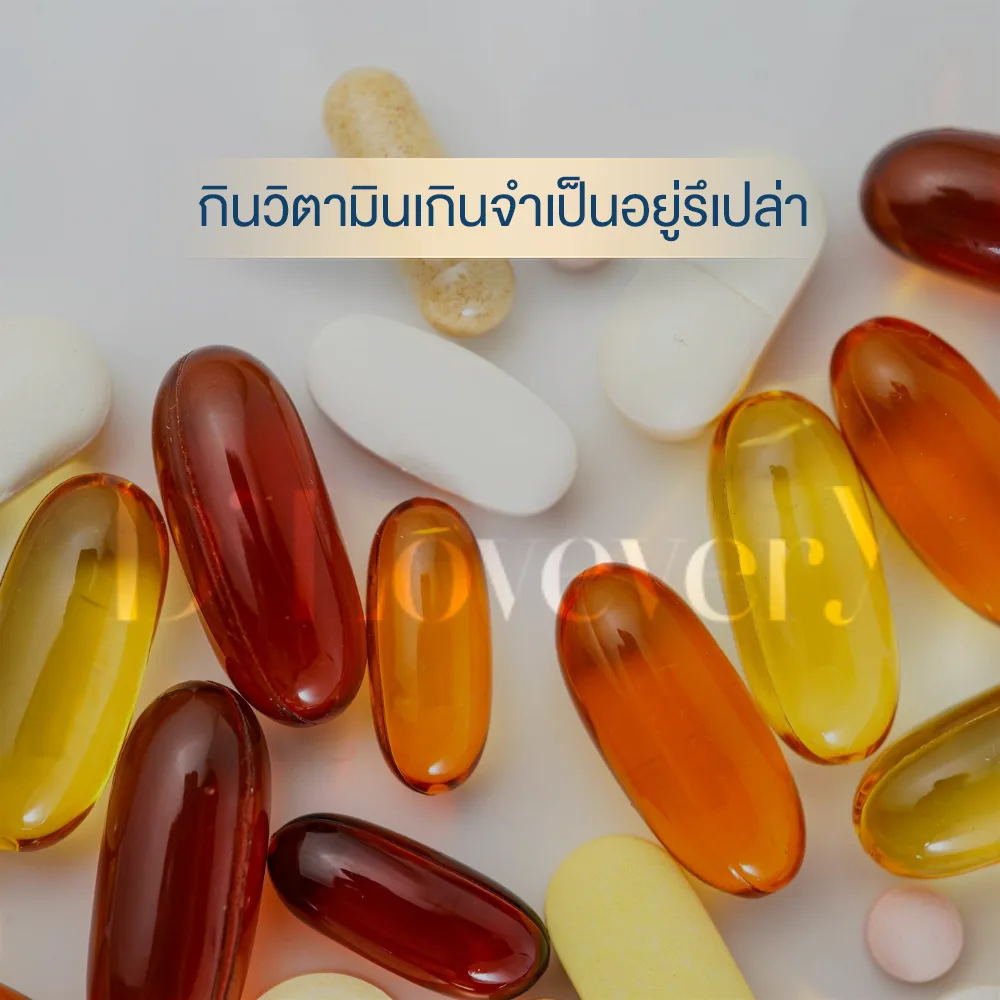
- However, consuming "excessive" amounts or choosing substandard vitamins may risk "liver strain" or liver toxicity, especially fat-soluble vitamins such as...
- Vitamins A, D, E, K
- If consumed in excess and accumulated in the body, it may affect liver function and may cause hepatitis in some cases.
- Some groups of dietary supplements. For example, various herbs, extracts, or untested substances may have a more harmful effect on the liver than vitamins, such as preservatives, chemicals, and contaminants.
health checkup
- You should always check your vitamin and mineral levels beforehand.
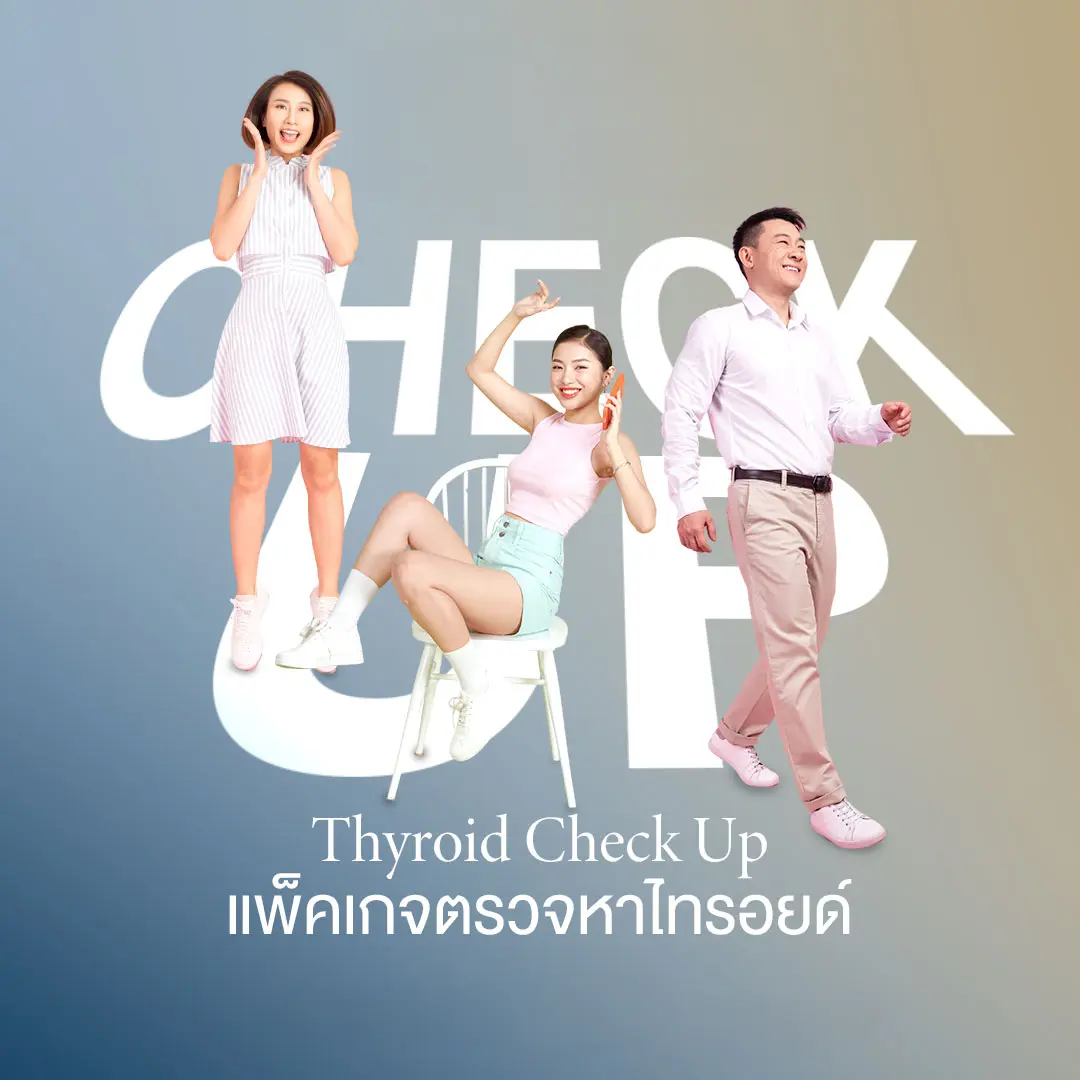
D' Lovevery Clinic focuses on blood tests to assess the balance of vitamins and minerals in the body. - Specific analysis เช่น
- Check your vitamin D3 levels to see if you're getting enough or too much, as a deficiency may increase the risk of osteoporosis and a weakened immune system.
- If taken in excessive amounts, such as through continuous high doses of vitamin D, it can cause toxicity, which has been reported to affect the liver and kidneys.
- These screening programs can help you determine your "health status" and adjust your vitamin supplements safely.
Preventing side effects and maintaining liver health.
- Choose vitamins that are certified by the Thai Food and Drug Administration (FDA) or as recommended by your doctor.
- Monitor and have regular health checkups. Especially for those who need to take vitamins or supplements long-term.
- Avoid taking multiple vitamins or supplements simultaneously without consulting a doctor.
- If you experience any unusual symptoms such as nausea, jaundice (yellowing of the skin and eyes), or unusual fatigue, stop using the product immediately and have a health checkup.