Our bodies are like factories that need maintenance at night. When we don't get sleep, the factory malfunctions, the machines break down, and that's why things like this happen.
Stress hormones (cortisol) are the culprit behind oily skin and acne breakouts.
When we can't sleep, our bodies become stressed without us realizing it. The brain then signals the release of... Cortisol hormone An unusually large amount was released, as if the body was constantly preparing for battle.
- The result This hormone will stimulate... Sebaceous gland It causes the production of oil to be "excessive".
Have you noticed, patients, that on days you don't get enough sleep, your face is oilier than usual when you wake up, even though you're using the same cream? This excess oil is perfect food for acne bacteria, leading to large, inflamed pimples.

Skin barrier breakdown
The time we are in deep sleep is the golden time for our skin to... Repair worn-out cells. And it strengthens the skin's protective barrier.
The result When you don't get sleep, this process disappears. Skin barrier This weakens the skin, making it easier for dirt, dust, or C. Acnes bacteria to penetrate. It's like leaving the doors and windows locked at night; thieves (bacteria) can easily break in and cause acne, resulting in breakouts that take longer to heal.
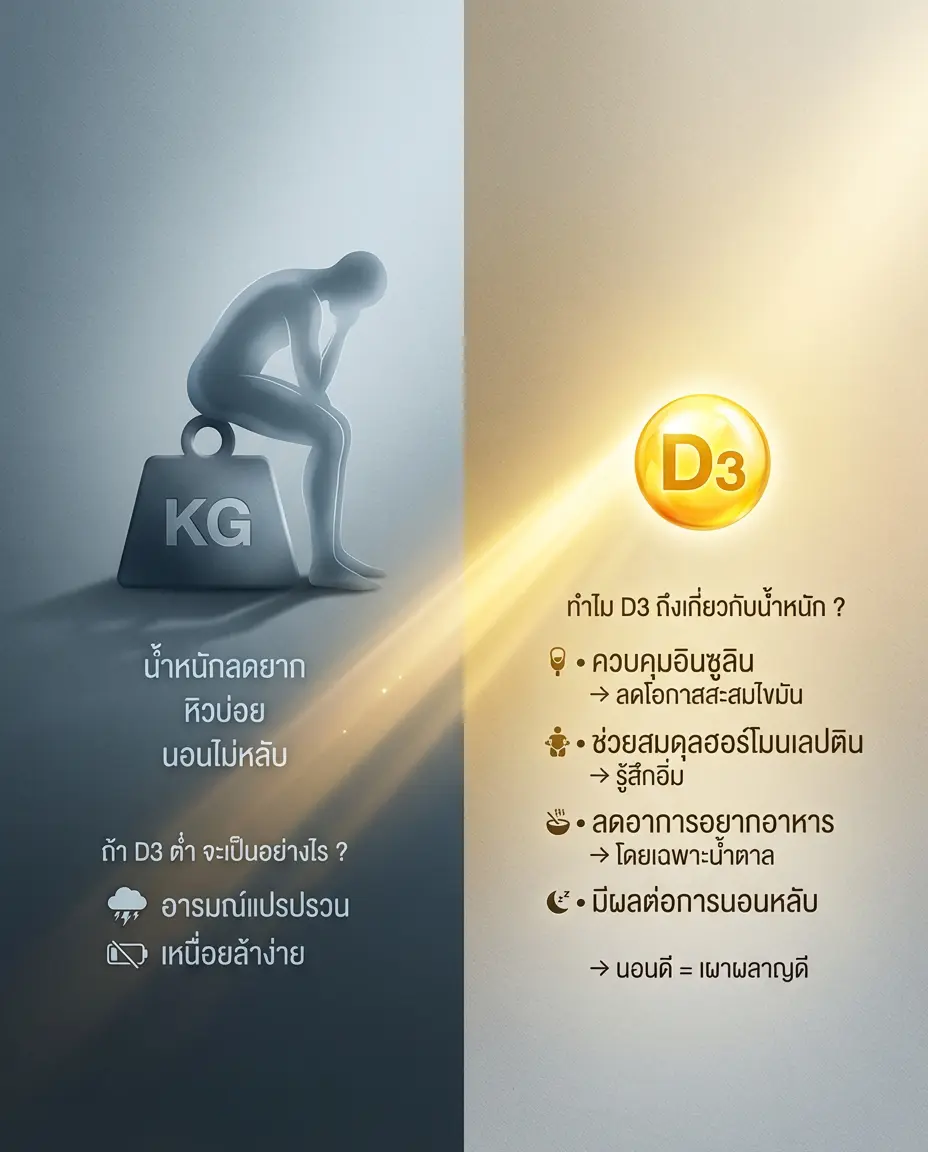
Transient insulin resistance
This is something not many people know, but lack of sleep makes the body manage blood sugar levels worse. The body will release... insulin It comes out higher to manage blood sugar.
- The result High insulin levels directly stimulate oil production and skin inflammation, causing acne to become inflamed, swollen, red, and very painful.
Late at night, when we can't sleep, we often crave sweets or carbohydrates, right? That's right! Eating carbs late at night + high insulin levels = a guaranteed acne breakout.
Skin Recovery and Treatment Schedule for Those Who Suffer from Sleep Deprivation (Sleep Deprivation Recovery)
| period | Goal | Medical Treatment / Skincare | Behavior Modification |
|---|---|---|---|
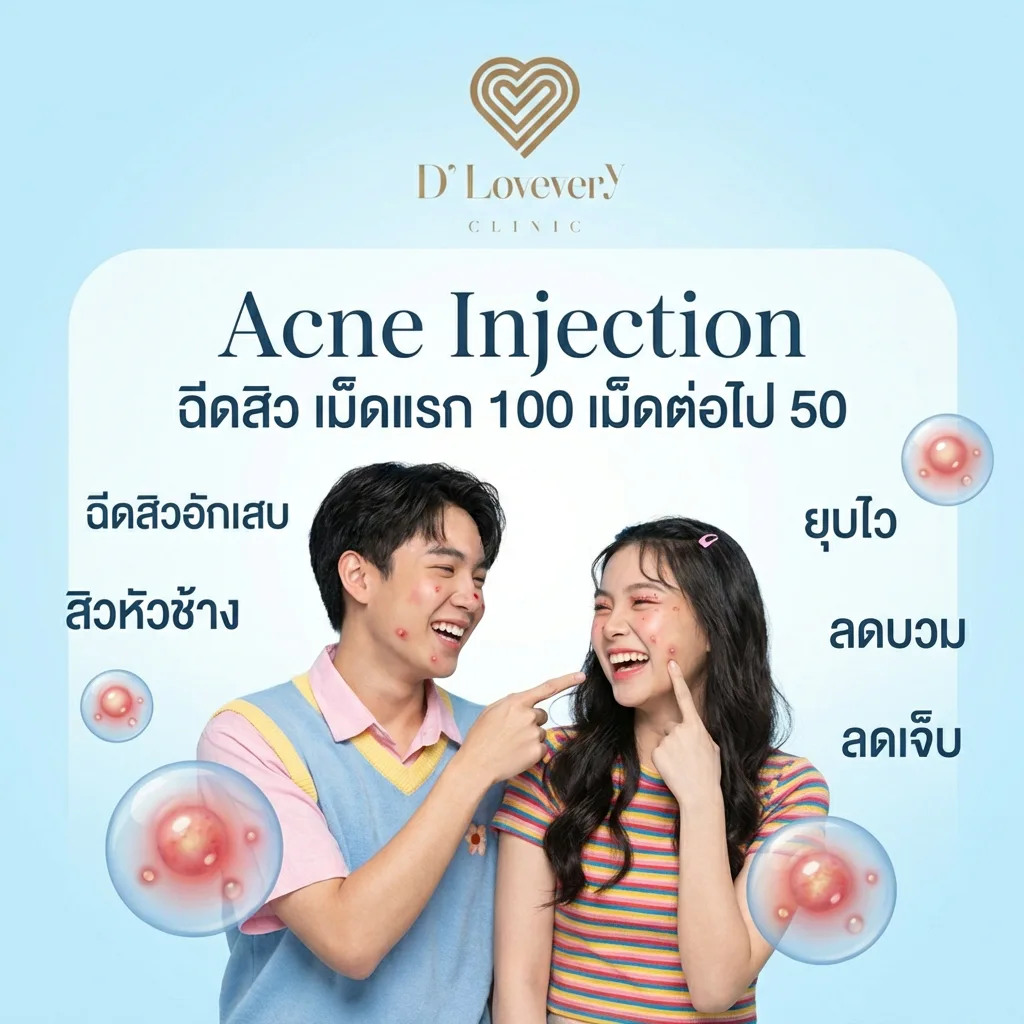
| Short term (SOS) (First 1-3 days) | Reduces swelling, relieves pain, and speeds up recovery. Stop the inflammation immediately. | 1. Spot treatment for acne: Apply benzoyl peroxide or salicylic acid topically to the affected area. 2. Acne patches: It helps to absorb liquids and prevents our hands from touching them. 3. Intralesional Injection (for acne): If the bump is large and very painful, see a doctor immediately for an injection to reduce swelling (only if necessary). | 1. Apply a cold compress: Reduce inflammation and redness. 2. Avoid exfoliating your skin: Do not scrub your face. 3. Drink 3 liters of water: Replenish the moisture lost from sleep deprivation. |
| Mid-term (Recovery) (1-2 weeks) | Restore the skin's protective barrier. Reduce redness/dark spots. | 1. Moisturizer: Focus on Ceramide and Hyaluronic Acid to strengthen the skin barrier. 2. Niacinamide: Helps reduce oil production and reduce redness. 3. Avoid concentrated AHA/BHA products: Stop using harsh exfoliating treatments until the acne has completely subsided. | 1. Go to bed before midnight: The skin's golden hour is between 22.00 PM and 02.00 AM. 2. Avoid sweets and cow's milk: Reduce insulin stimulation that causes acne flare-ups. |
| Long term (Maintenance) (1 month or more) | Prevent recurrence. Balance hormones | 1. Retinoids (Vitamin A): Apply before bedtime to control skin cell turnover and reduce clogged pores. (Consult your doctor before use.) 2. Sunscreen: Don't forget this, because skin that has been inflamed will be sensitive to light. | 1. Sleep Hygiene: Establish a consistent sleep schedule every day. 2. Managing stress: To keep cortisol levels within the normal range. |
![[Acne Treatment Review] Hormonal acne or mask-induced acne? Solve all problems with effective results and no recurring issues, because the doctor wants everyone to recover.](https://dloveveryclinic.com/wp-content/uploads/2025/11/case-128-d-acne-size-L-dlovevery-clinic-8.webp)
![[Acne Scar Removal Review] I used to have clear skin, but then a severe acne breakout left me feeling discouraged. This review shows how I rescued my damaged skin and got it back to its best with 3 programs from Dr. Tar.D' Lovevery Clinic](https://dloveveryclinic.com/wp-content/uploads/2025/11/case-127-meso-program-dlovevery-2.webp)
![[Acne Treatment Review] Severe acne breakout? Clear it all with D Facial, a unique treatment formula. A must-try for sensitive skin!](https://dloveveryclinic.com/wp-content/uploads/2025/11/case-126-d-facial-treatment-before-after-1.webp)