Studies have shown that extracts from fermentation can stimulate the growth of fungi. Malassezia Globosa This is a major cause of yeast acne and seborrheic dermatitis, and the incidence is higher than normal. 2-3 times In individuals with sensitive skin.
"Toner" is a popular item that everyone says makes your face clear and bouncy, but why do many patients use it and get different results? "My face is ruined." From the very first night? Did you get a breakout of tiny pimples on your forehead, or clogged pores immediately? Today, the doctor will clear up any confusion and explain what's hidden in that clear liquid.
What are "toner essences" made of? (The secret of the ingredients)
Facial essences typically contain the following main ingredients: "Fermented Ingredients" For example, plankton, yeast (galactomyces), or Pitera.
- The advantages: These substances have very small molecules, are quickly absorbed, and are rich in vitamins and amino acids that help exfoliate skin cells and provide hydration.
- weakness: This fermentation process is a double-edged sword for some people!

Why does using this product cause a "breakout of acne overnight"?
The most common causes doctors encounter aren't just allergies to perfume or alcohol, but rather... "Yeast reaction" Yes
- A favorite food source for acne bacteria: Our skin has a resident yeast called... malassezia Yes, that's right. Now, when you use a toner that contains... Fermented yeast Applying fermented yeast to your skin is like feeding the yeast on your face with "premium food."
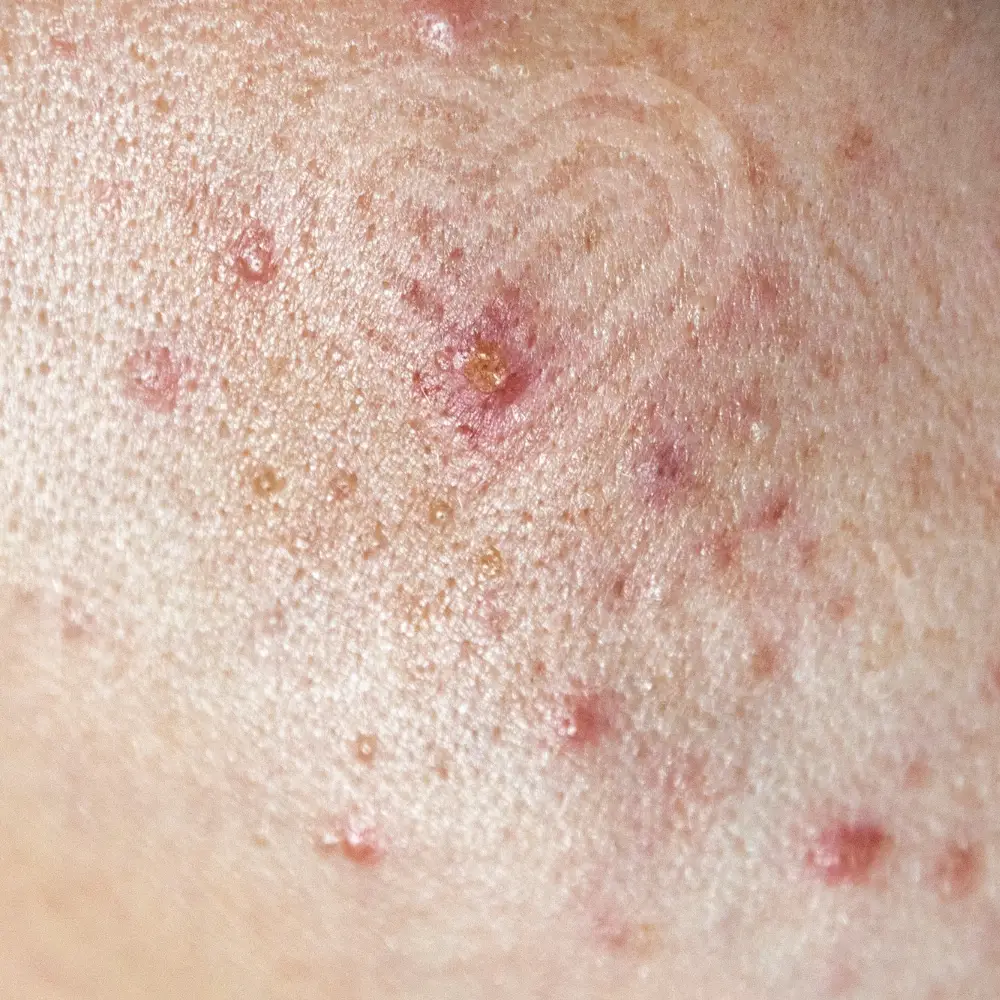
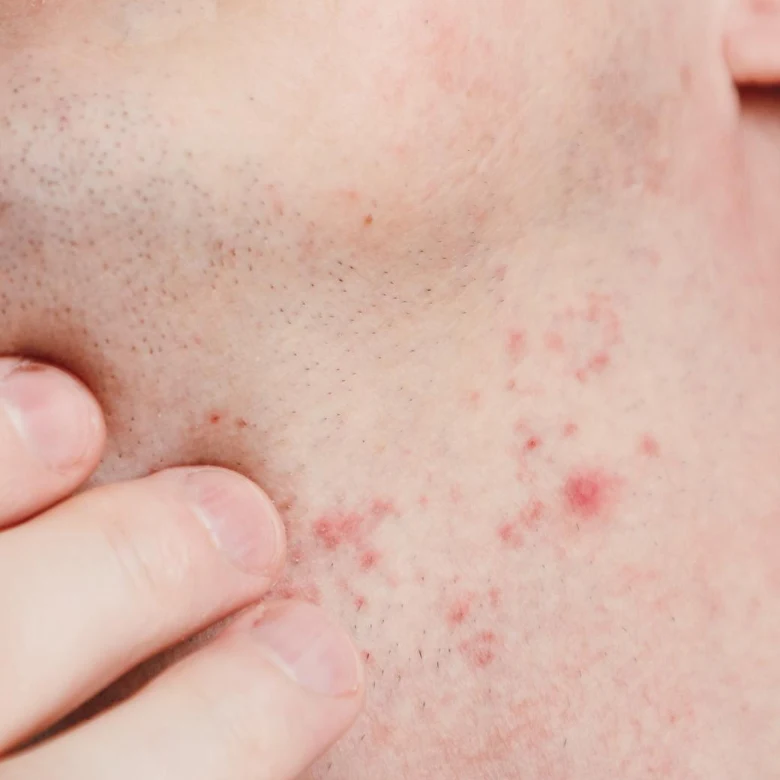
- result: Yeast grows abnormally and rapidly (overgrowth), leading to a condition called... "Yeast acne" (Fungal Acne) Or it could be fungal folliculitis, which develops very quickly. It's a condition where small, itchy, red bumps, similar to acne, appear and spread across the forehead or cheeks overnight.
How can you tell if it's an allergic reaction or just a "pimple-pumping" reaction?
Many patients get confused about this point. Let me clarify.
- If it's purging (popping out pimples): This is often caused by acne medications (Retinoic acid) or exfoliating acids (AHA/BHA). The acne that appears is clogged pores that are waiting to be drained.
- But what if using a toner causes breakouts? Most facial toners It does not cause acne breakouts. Okay! If you experience breakouts, red bumps, itching, tingling, or rough skin after using it, then... That is an allergic reaction or irritation. Or, as the doctor said, it could be yeast acne. You must stop using it immediately. Do not force yourself to continue using it.
If the patient is aware that they are human... Sensitive skin or a history of seborrheic dermatitis (Sebderm). Doctors recommend avoiding toners containing fermented ingredients (Galactomyces/Ferment Filtrate) and instead using hydrating toners containing Hyaluronic Acid or Ceramide, as these are safer for the skin's protective barrier.
![[Acne Treatment Review] Hormonal acne or mask-induced acne? Solve all problems with effective results and no recurring issues, because the doctor wants everyone to recover.](https://dloveveryclinic.com/storage/2025/11/case-128-d-acne-size-L-dlovevery-clinic-8.webp)
![[Acne Scar Removal Review] I used to have clear skin, but then a severe acne breakout left me feeling discouraged. This review shows how I rescued my damaged skin and got it back to its best with 3 programs from Dr. Tar.D' Lovevery Clinic](https://dloveveryclinic.com/storage/2025/11/case-127-meso-program-dlovevery-2.webp)