

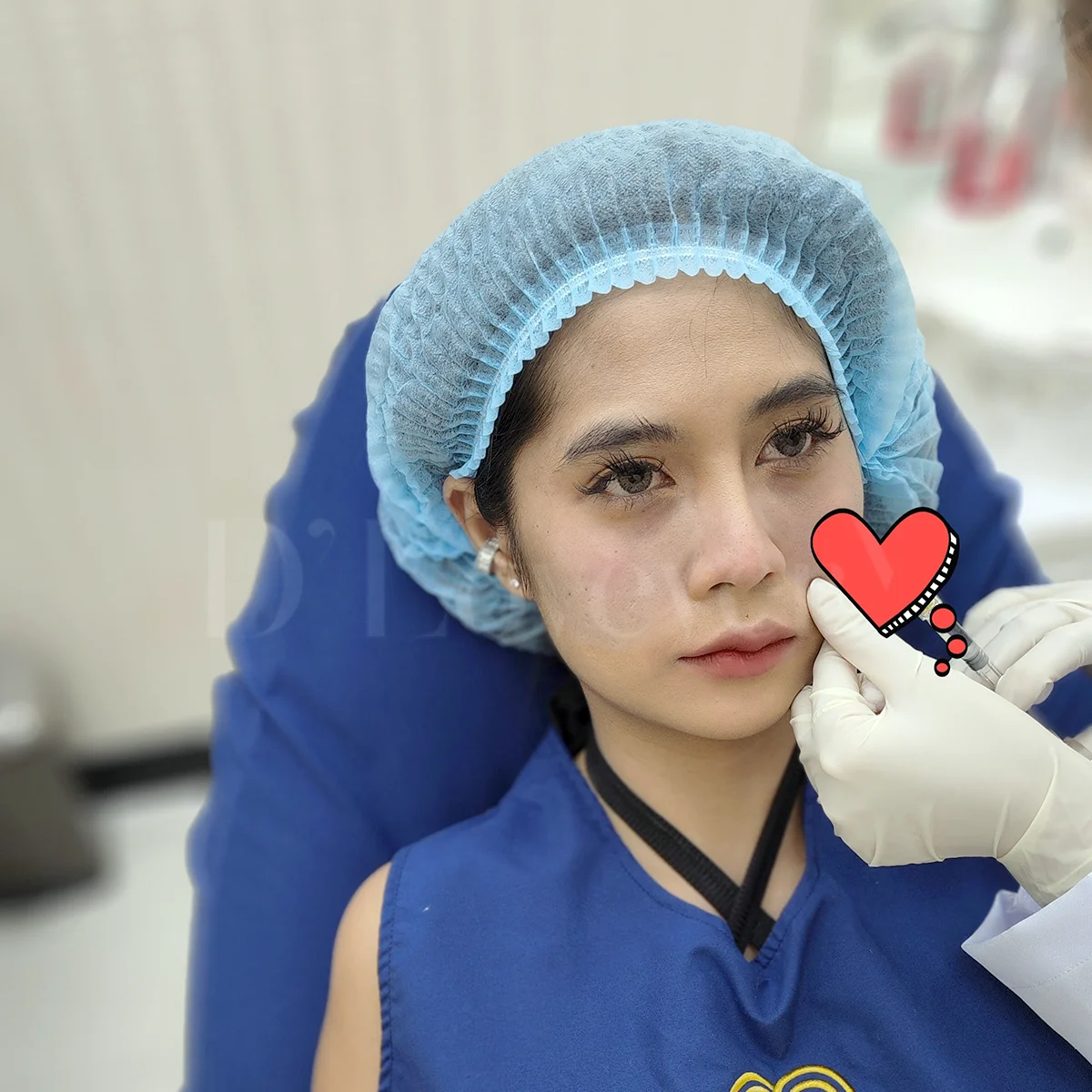
![Dr. Tar's Filler Injections [Review] Under-eye fillers near CDC, Ramkhamhaeng. Stunning results that will make friends notice! Prices start at 7999 THB. Immediate results.](https://dloveveryclinic.com/wp-content/uploads/2025/11/case-111-filler-under-eyes-2.webp)
The doctor will explain more about skin strength and elasticity, as well as the differences in skin quality suitable for filler injections.
"Tough skin" = strong and flexible skin?
Having a dense SMAS layer in the skin (or what doctors jokingly call "tough skin") doesn't necessarily mean the skin is highly elastic. However, it does mean...This means the skin is strong and has a firm structure.More than that.
- Healthy skin: This means the skin has good resistance to external forces and does not tear or get injured easily.
- Firm and toned skin: This means the skin has a structure that provides good support for the tissues and does not sag easily.
But…strength and firmness don't always equate to flexibility. Flexible skin is skin that can stretch and easily return to its original shape. This elasticity depends on the amount of collagen and elastin in the skin.
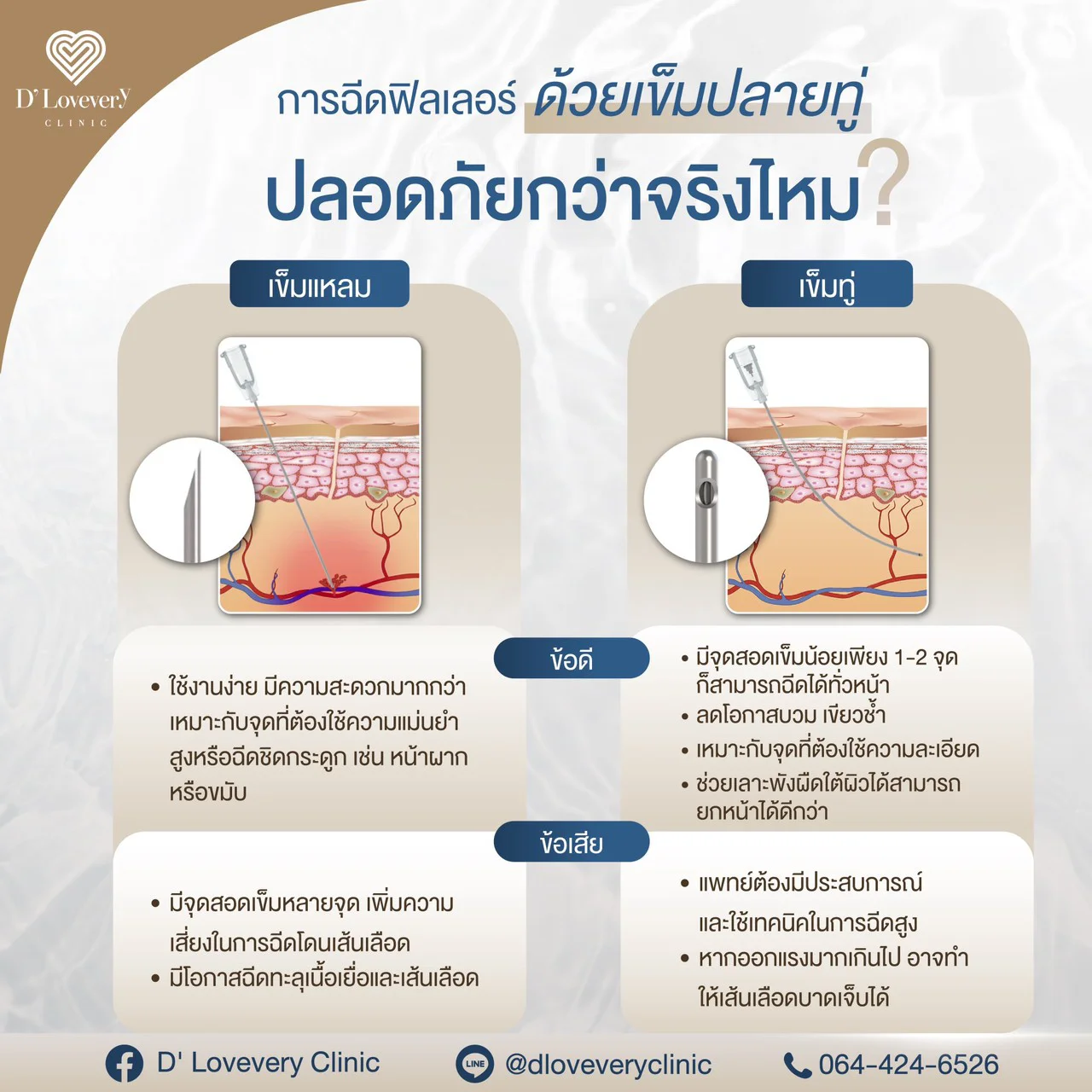
What about bad skin? Is it easy to insert the needle?
Unhealthy or aging skin typically has the following characteristics:
- Thin skin: The SMAS layer is not dense.
- Sagging skin: Collagen and elastin decrease, causing the skin to lose firmness and elasticity.
- Dehydrated skin: This causes the skin to become dry, dull, and lifeless, commonly referred to as having a dull complexion.
In cases of thin and sagging skin, needle insertion may be easier.It's skin with a dense SMAS layer. But…that doesn't mean that injecting fillers into the skin like this is better. because:
- Fillers may not retain their shape: Because the skin lacks a strong, supportive structure, fillers can easily migrate or become deformed.
- Risk of side effects: For example, fillers may lump or the face may become disproportionate.
- A larger amount of filler is required: To compensate for skin sagging.
In short…what skin type is best for filler injections?
The best skin for filler injections is skin that is strong, elastic, and has an appropriate level of firmness.Yes
- It is strong: To ensure the filler is in the correct position.
- It is flexible. To allow the skin to adapt to the filler naturally.
- It is concise. To help the filler maintain its shape and reduce the chance of sagging.
Pre-action assessment is crucial.
A thorough skin assessment before filler injection is very important. This helps the doctor choose the right type of filler, injection technique, or even other lifting and tightening programs for each individual's skin, ensuring the most beautiful and safest results.
![Stop slathering on thick layers of concealer! [Under-eye filler review] that transforms your face to look refreshed and well-rested.](https://dloveveryclinic.com/wp-content/uploads/2025/12/case-131-filler-under-eyes-cover.webp)
![[Temple Filler Review] Beautiful and subtle, ready for any camera angle. The secret to a fuller, more youthful face used by influencers. D' Lovevery Clinic Let's see what you've done.](https://dloveveryclinic.com/wp-content/uploads/2025/12/case-129-temple-filler-before-after-cover.webp)
![[Chin Filler Review] Recessed chin? No problem! Filler solves the problem. One chin filler treatment for a beautiful, confident look (100% boost!).](https://dloveveryclinic.com/wp-content/uploads/2025/11/dimpled-chin-case-117-chin-filler-dlovevery-clinic-before-after.webp)