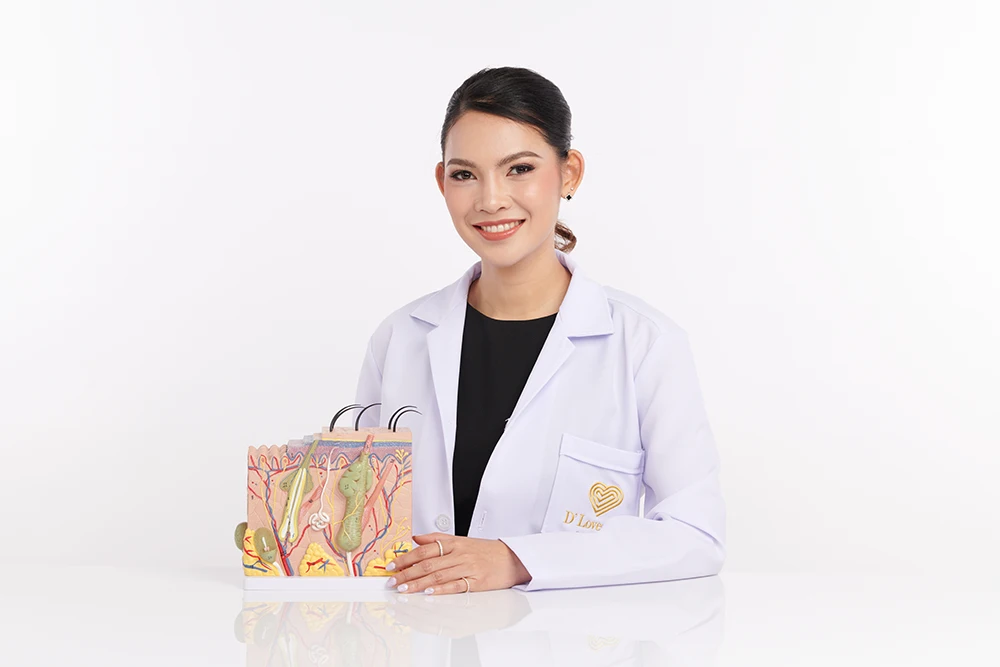


Imagine a patient's stomach as a washing machine. If you put too much laundry in it, the washing machine will work harder and may break down. Similarly, overeating is like putting too much laundry in the stomach, causing it to work harder and potentially leading to inflammation.
Stomach disease Or, as it's medically known... Gastritis This is a condition where the stomach lining becomes inflamed, which can be caused by several factors, such as bacterial infection. Helicobacter pyloriProlonged use of NSAID pain relievers, or unhealthy eating habits.

How is overeating related to this?
Regularly overeating forces the stomach to work harder to digest large amounts of food. When the stomach works harder, it can lead to:
- Irritation occurred: The stomach secretes more acid to digest food, which irritates the stomach lining.
- Increased pressure in the stomach: Eating large amounts of food increases pressure in the stomach, which may result in heartburn or indigestion.
- Abnormal gastric contractions: Overeating can disrupt gastric contractions, leading to incomplete digestion.
Other risk factors you should be aware of.
Besides overeating habits, there are other risk factors that can lead to gastritis, such as:
- Irregular eating habits: Allowing your stomach to be empty for a long time and then eating a large amount of food may cause your stomach to not have time to adjust.
- stress: Stress can affect the functioning of the digestive system, leading to stomach pain or diarrhea.
- Smoking and drinking alcohol: The chemicals in cigarettes and alcohol can damage the stomach lining.
| point | Gastric ulcers caused by not eating. (Skipped Meals-Induced Gastritis) | Gastric ulcers caused by overeating. (Overeating-Induced Gastritis) |
|---|---|---|
| disease mechanisms | -The stomach secretes hydrochloric acid (HCl) in preparation for digesting food, but since there is no food to digest, the acid directly attacks the stomach lining. | -The stomach expands rapidly, increasing intragastric pressure. -Excessive secretion of HCl acid to digest large amounts of food can cause irritation. -Abnormal gastric contractions (Gastric dysmotility) lead to incomplete digestion. |
| symptom | Epigastric pain, dyspepsia, nausea, and vomiting often occur when the stomach has been empty for a long time. | Bloating, abdominal fullness, belching, and heartburn often occur immediately after eating. |
| Stimulating factors | Skipping breakfast, eating irregularly, fasting. | Eating large amounts of food quickly, eating high-fat foods, and eating foods that cause excessive gas. |
| Long-term effects | Chronic gastritis, peptic ulcers, and malnutrition. | Gastroesophageal reflux disease (GERD), constipation, and obesity increase the risk of gastrointestinal complications. |
| medical diagnosis | Esophagogastroduodenoscopy (EGD) is a procedure to examine the gastric mucosa and test for infections. H. pylori In the stomach (H. pylori testing) | Medical history, physical examination, and gastric emptying study should be performed if gastroparesis is suspected. |
| treatment | Dietary modifications, the use of antacids, H2-receptor antagonists or proton pump inhibitors (PPIs) to reduce acid secretion, and treatment of infections are all measures considered. H. pylori If available (H. pylori eradication therapy) | Dietary modifications, the use of digestive enzymes, antacids, prokinetics to aid gastric contractions, and exercises to promote bowel movement. |
Regularly overeating may increase the risk of gastritis, but it is not the direct cause. If a patient has other unhealthy eating habits or other risk factors such as stress or the use of NSAIDs, their risk of developing gastritis may be higher.