

If a patient has an odor, does that mean they've passed the initial stage?
The moment a strong, foul odor begins to waft out clearly. This is often an indication that cervical cancer has progressed to an advanced stage, not the early stages. In the early stages (Stage 1), cancerous tumors are very small and localized to the cervix, so there is no cell death or tissue necrosis, and they often present with no symptoms, making them virtually undetectable. However, as the disease progresses to an advanced stage, the tumor grows rapidly, leading to a lack of blood supply. This results in tissue decay and secondary bacterial infections in the vagina, causing bloody discharge with a strong, foul odor resembling rotting flesh. Therefore, doctors always emphasize that women should not wait for any odor or abnormal symptoms to appear, but should undergo regular cervical cancer screening (Pap Smear) and HPV testing annually so that cancer can be detected and treated promptly, even before symptoms appear.
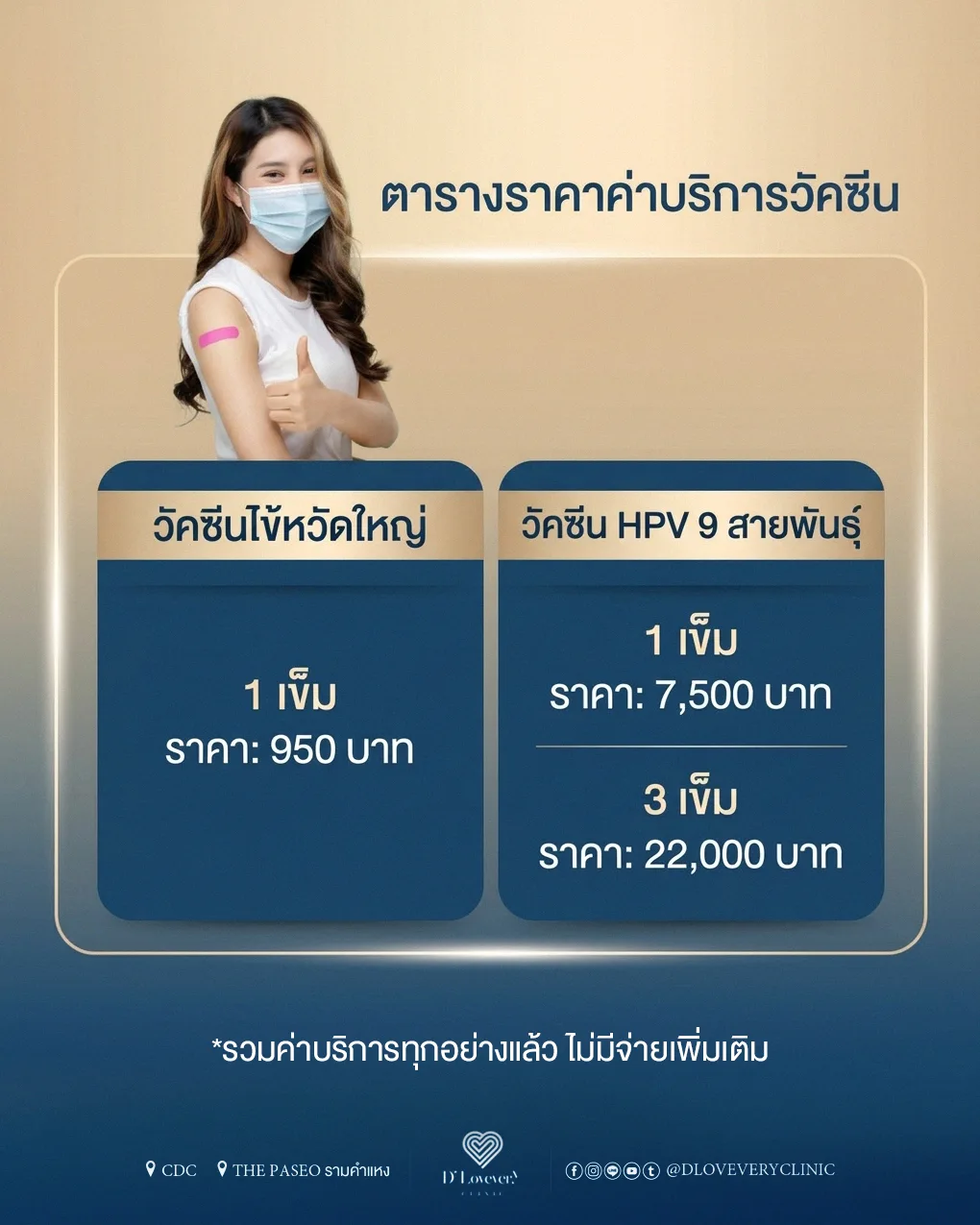
Stages of the disease, screening, and vaccination guidelines.
| หัวข้อ | In-depth medical details | Benefits for patients. |
|---|---|---|
| Stages of cervical cancer (Cervical Cancer Stages) | • Initial Stage (Stage 1): The cancer cells are still localized in the cervix. (Often there are no symptoms and no odor.) • Advanced stages (Stage 2-4): The cancer has spread to the vagina, surrounding tissues, or metastasized to other organs. (I started experiencing bleeding after sexual intercourse, and had bloody vaginal discharge with a strong, foul odor.) | Detected in Initial stage (Stage 1) There is a high chance of complete recovery. 85-90% The doctor therefore doesn't want you to wait until there's an odor before getting checked. |
| Can the screening indicate the distance? | I can't say directly. Screening tests (such as Pap Smear or HPV DNA Test) serve a purpose. Detect abnormal cells or screen for viruses before they develop into cancer. However, if cancer cells are detected, the doctor needs to perform further diagnostic tests, such as a biopsy and a CT scan, to determine the correct stage of the disease. | Screening is like... "Early Warning Radar" It prevents the disease from progressing to an advanced stage. |
| Is an internal examination required? | Not at every step. There are innovations currently available. "HPV Self-Sampling" Patients can request a swab test kit to perform in their private bathroom without needing to be seated on a speculum. However, if the test result is positive... Infected with a high-risk HPV strain. The patient needs to undergo treatment. Internal examination by an obstetrician-gynecologist. This is for colposcopy and to collect detailed tissue samples. | It greatly reduces embarrassment and increases comfort for patients, but if the result is positive, a pelvic examination by a doctor remains the most accurate standard method. |
| At what age should people start getting screened? | • Age 25-30 years and above For the average woman. • Begin testing approximately 3 years after your first sexual encounter. (Regardless of age) • Repeat checkups every 3-5 years. Depending on the method chosen (if using the highly accurate HPV DNA Test, you can space out retesting up to 5 years). | Even if you haven't had sex or have no symptoms, you should get tested when you reach the required age for safety reasons. |
| Vaccination HPV 9 Breed | Type of vaccine 9 strains (9-valent HPV Vaccine) It can provide up to [amount] of protection against cervical cancer and genital warts. 90 % This includes high-risk variants 16, 18, 31, 33, 45, 52, 58 and wart-causing variants 6, 11. Vaccination can begin between the ages of 9 and 45. | The best time to get the injection is before your first sexual encounter. (Those aged 9-15 years receive the best immune boost and only need 2 injections, while those 15 years and older need 3 injections.) |
![[Review of the secret to brighter skin] The D'Aura Drip, a concentrated vitamin skin drip that everyone's been asking about.](https://dloveveryclinic.com/wp-content/uploads/2025/07/case99-iv-drip-nan-1.webp)
![[Longevity 101] Review of the program “IV Therapy "D' Signature Booster" - Wake up feeling refreshed and with a clear mind.](https://dloveveryclinic.com/wp-content/uploads/2025/05/iv-therapy-d-signature-booster-review-4.webp)