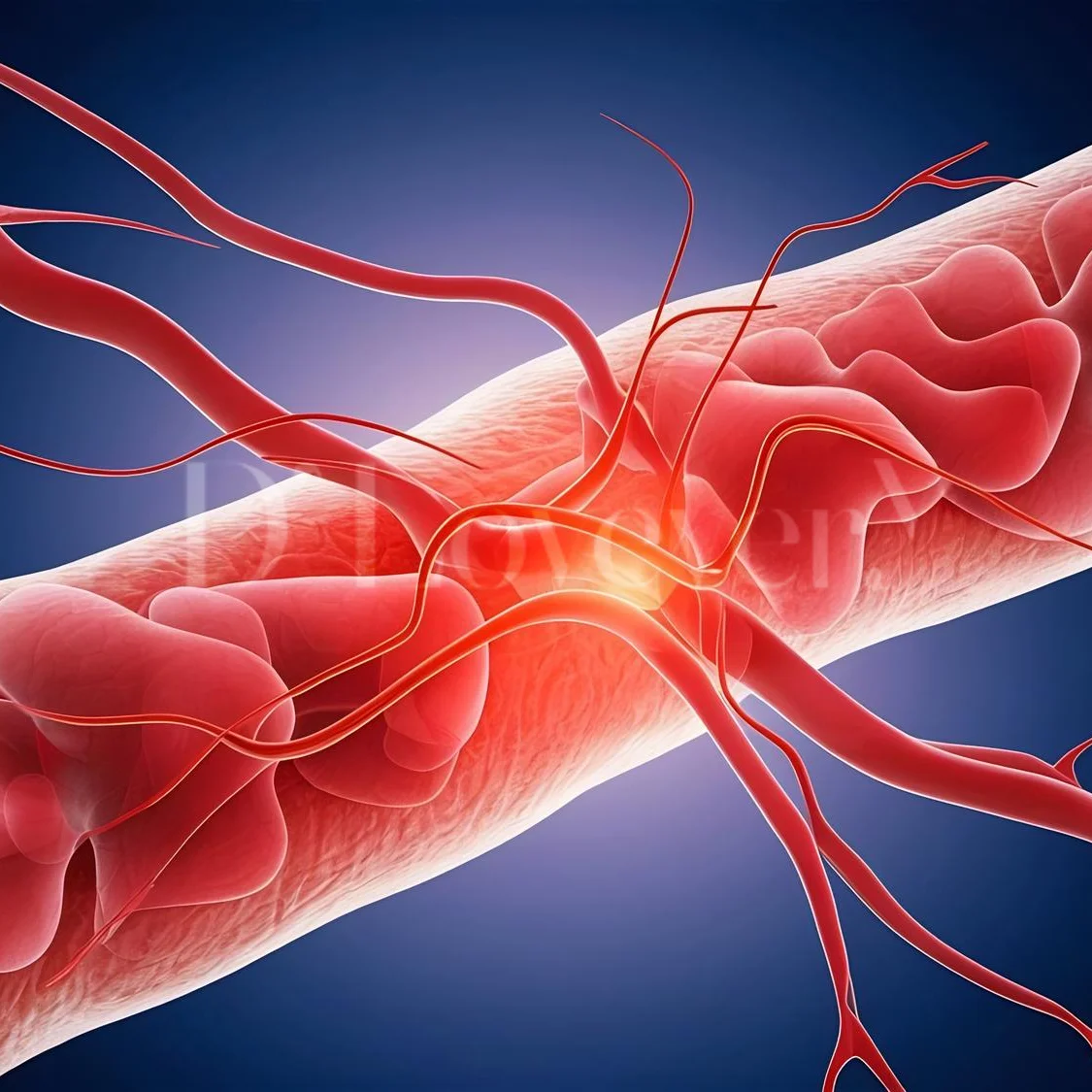
The truth about "brittle blood vessels" in diabetic patients.
It has to be admitted that it's partly true.
Individuals with consistently high HbA1c levels (above 7%) have a 2-3 times increased risk of capillary wall damage, making them more prone to bruising when pressure is applied.
Because when blood sugar levels remain high for extended periods, a process occurs that... The walls of capillaries lose their elasticity and become more fragile than in normal people. (Microangiopathy) This means that when subjected to strong pressure or twisting, the skin may tear, leading to easy bruising or discoloration. From a cosmetic standpoint, we certainly don't want our beautiful skin bruised, right? Furthermore, wounds in diabetic patients heal more slowly than normal.
What types of massages should be avoided vs. those that are acceptable?
Doctors haven't completely prohibited massages, but you have to choose the right type.

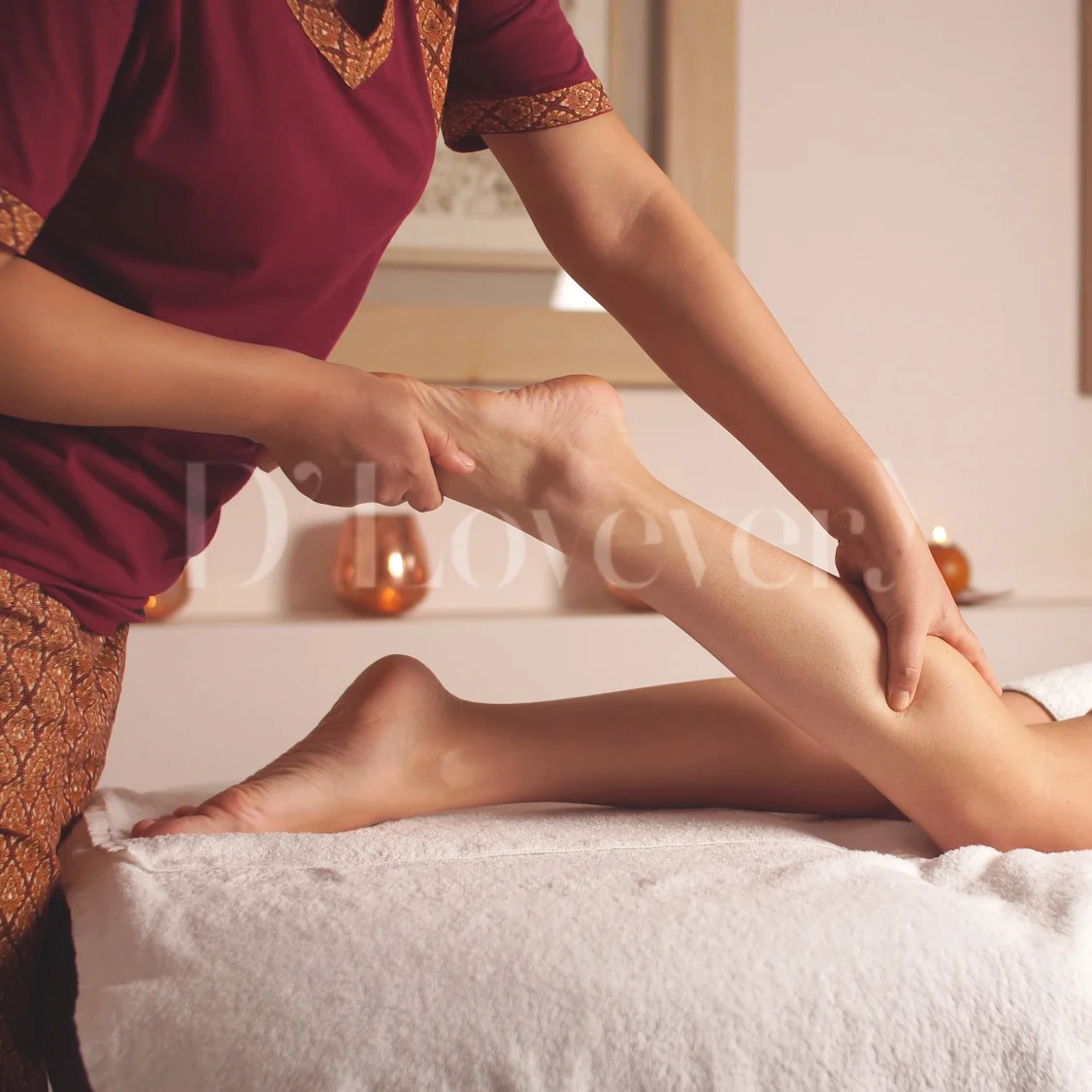
- Types to avoid: Massages that use a lot of pressure, such as: Traditional Thai massage techniques include stretching massage, acupressure massage, tapping massage, or intense gua sha. Because it poses a risk of injury to muscles and capillaries, especially if the patient has numbness in their hands and feet (neuropathy), they may not feel pain when pressure is applied, leading to pressure sores without them realizing it.
- The type recommended by the doctor: Change to Aromatherapy Massage (Oil Massage) or Lymphatic Drainage Massage Gently massage instead. This type of massage helps reduce cortisol (stress hormone), which is good for blood sugar levels and also helps with anti-aging, keeping your face looking youthful.
Special precautions for users of the "Weight Loss Pen" (GLP-1).
Since the patient is also using appetite suppressants, this is very important!
- Do not massage the injection site: If you have recently received an injection in your abdomen or thigh. Do not massage the area immediately. Or, avoid massaging vigorously on the days after the injection.
- reason: Massage stimulates blood circulation, which can cause medication to be absorbed into the body too quickly. This may lead to stronger side effects such as nausea, dizziness, or a sudden drop in blood sugar levels.
In summary, here's what we need to tell the massage therapist before a massage.
For safety and lasting beauty, always inform the staff before getting on the massage table.
- I have diabetes, so please no strong massage, no stretching, and no deep tissue massage. I only want a gentle, relaxing massage.
- Avoid massaging the abdomen/thighs (the areas where the injection pen was administered).
- If there's any spot that the doctor doesn't feel pain when pressed, be especially careful and avoid applying too much pressure (in case of numbness).
![[Review of Nasolabial Fold Filler Treatment] One-stop care! Nasolabial fold filler provides instant age reduction. Consultations and treatments available immediately.](https://dloveveryclinic.com/wp-content/uploads/2025/06/case-69-cheek-filler-dlovevery-clinic-before-after-1.webp)
![[Under-eye filler, no waiting required] Review of under-eye filler injection with Dr. Tar: Erase deep wrinkles and achieve smooth skin in just one day.](https://dloveveryclinic.com/wp-content/uploads/2025/05/before-after-case-47-filler-eyes-dlovevery-clinic.webp)
![[Under-eye bags are gone!] Confidence has returned. Real case of under-eye filler for a woman over 50.](https://dloveveryclinic.com/wp-content/uploads/2025/05/under-eye-rejuvenation-results.webp)