

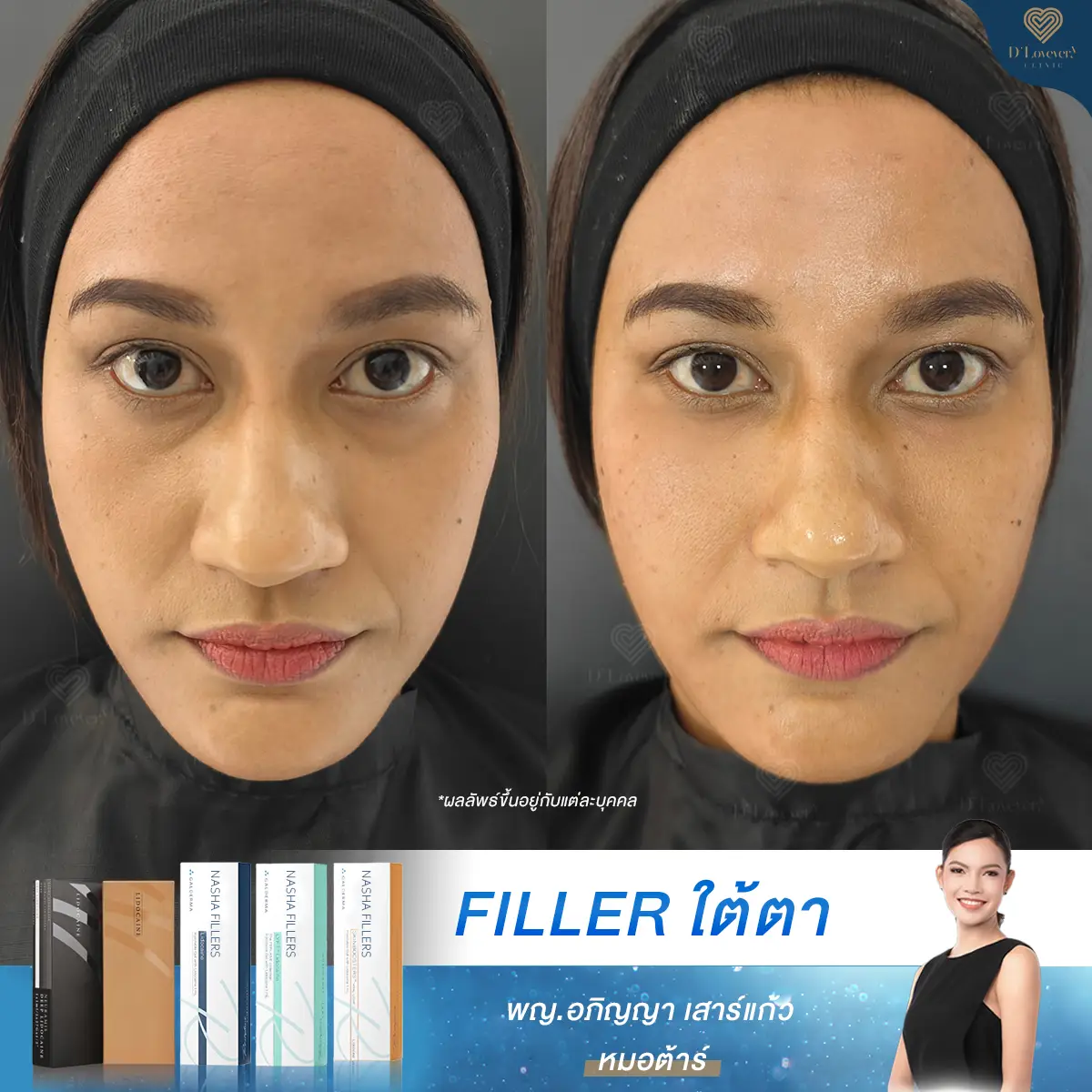

What are those dark circles under the eyes that we see?
Let me explain further. What we see as darker under the eyes is, mechanically, caused by a cluster of tiny blood vessels. When many of them cluster together, it appears dark and dull. In some cases, it's due to frequently rubbing the area under the eyes, causing friction and leading to dark circles. It's the same principle as dark elbows or knees.
The dark circles under the eyes we see are caused by two main factors.
Capillaries (Vascular Cause)
- The skin under the eyes is very thin, making the capillaries underneath visible.
- Furthermore, if you don't get enough sleep, blood vessels will dilate, making them more visible.
- They are often dark, purplish, or greenish in color.
Melanin pigment (Pigmentation):
- Pigment accumulates under the skin, resulting in a dark brown color.
- It is often caused by sunlight, hormones, or inflammation.
- Some people have both types, making them appear darker.
Treatment depends on the primary cause.
- If it's a blood vessel, a special type of laser may be needed.
- If it's a pigmentation issue, you can use a pigment-reducing cream or a laser treatment for melasma.
- If the deep grooves are caused by fat loss, leading to sagging, wrinkled skin and pigment accumulation in that area, then filling with fillers or other dermal fillers can help.
How do under-eye fillers reduce dark circles and discoloration under the eyes?
Under-eye fillers are suitable for specific cases. The doctor will explain why.
Cases suitable for under-eye fillers.
- There are noticeable deep tear troughs under the eyes.
- The fat under the eyes collapses, creating deep wrinkles.
- The skin under the eyes is so thin that blood vessels are visible, especially in people who also have "under-eye bags."
Mechanism of operation
- Fillers are used to add volume and lift the skin.
- It helps to make blood vessels deeper and less visible.
- Reduce shadows that make things look dark.
Under-eye fillers are not suitable for whom?
- People with a lot of fat bags under their eyes.
- Puffy skin under the eyes
Instructions before getting filler injections to reduce dark circles under the eyes.
- The area under the eyes is delicate, so treatment must be performed by a specialist.
- Bruising may occur for 1-3 days after the procedure.
- The results last approximately 6-12 months, depending on the individual and the make and model of the device being serviced.
The doctor recommends consulting with a doctor before making a decision to assess whether filler injections are suitable for you, as some people may need other more appropriate methods.